
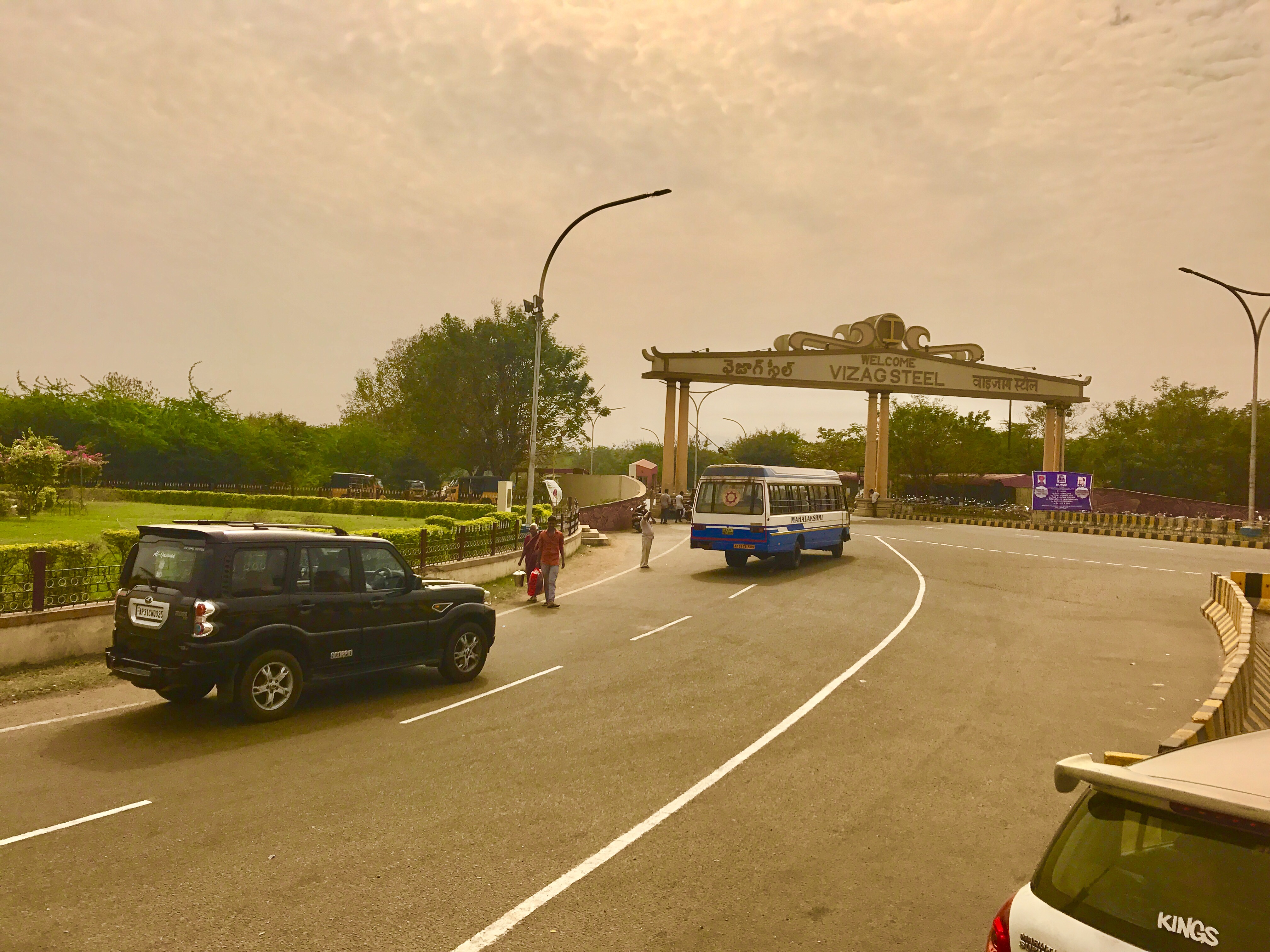
Eight workers died after a molten steel ladle exploded at the Visakhapatnam Steel Plant on Monday evening [1], [3].
The incident highlights the critical safety risks associated with high-temperature metal processing in one of India's major industrial hubs. A failure of this magnitude at a state-run facility often triggers intense scrutiny of equipment maintenance and worker safety protocols.
The blast occurred at the Rashtriya Ispat Nigam Limited (RINL) facility in Andhra Pradesh [1], [2]. A ladle carrying molten steel ruptured, causing the superheated metal to spill across the work area [3].
Initial reports on the casualty count varied. One report indicated five workers died [2], while subsequent updates confirmed that eight people were killed [1], [3]. Several other workers were injured in the explosion [1].
Emergency responders arrived at the scene in Visakhapatnam to manage the spill and recover the victims [1]. The exact cause of the ladle rupture remains under investigation, though the immediate catalyst was the explosion of the vessel containing the molten steel [3].
Industrial accidents involving molten metal are particularly lethal due to the extreme temperatures and the potential for steam explosions if the metal contacts water or moisture. The scale of the spill at the Vizag plant created what witnesses described as horror scenes within the facility [1].
“Eight workers died after a molten steel ladle exploded”
This disaster underscores the volatile nature of steel production and the catastrophic impact of equipment failure in heavy industry. The discrepancy in early death tolls reflects the chaos of the immediate aftermath, but the confirmed loss of eight lives suggests a systemic failure in containment or safety barriers at the RINL plant.


