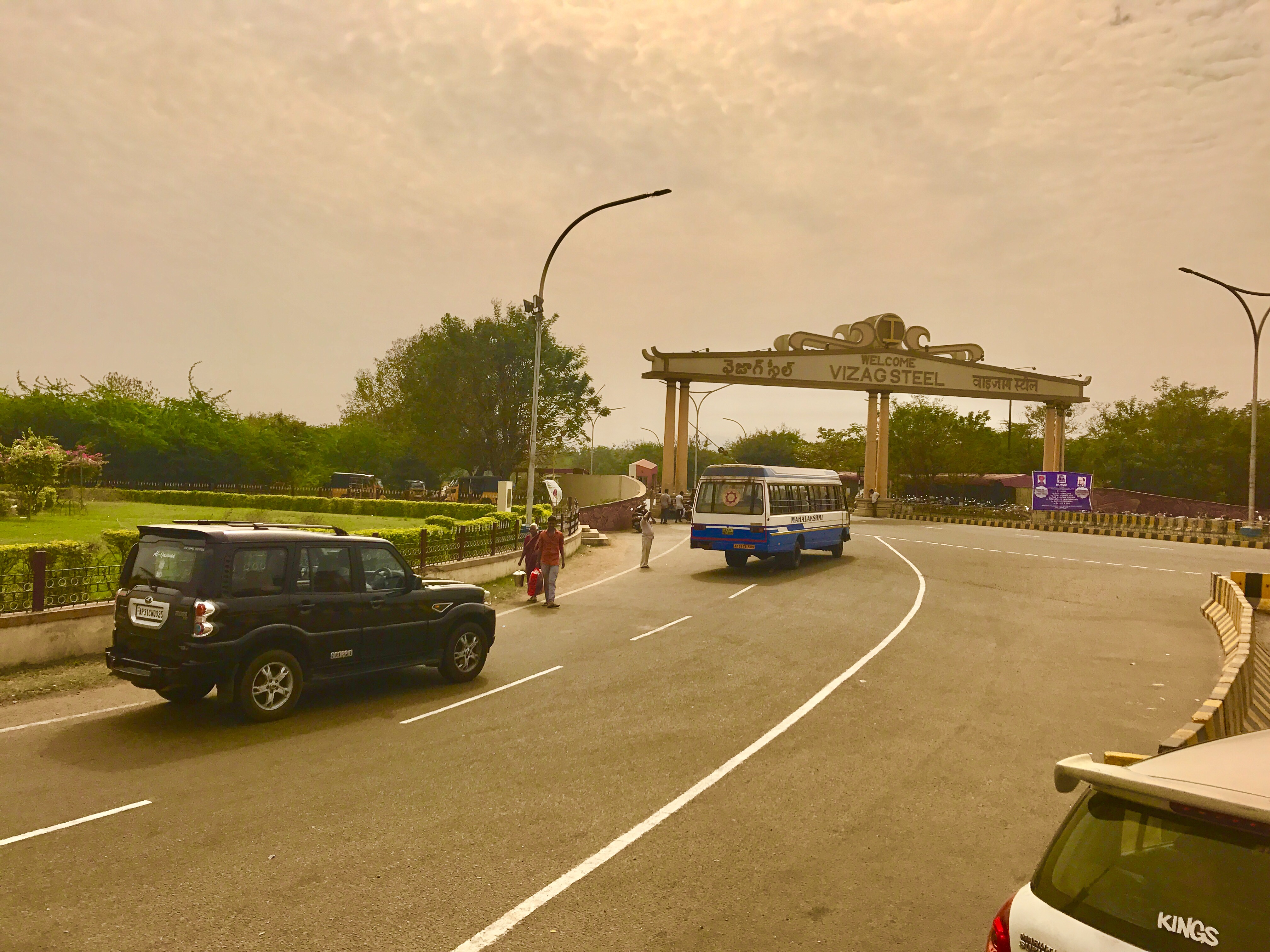
Eight workers died after a ladle carrying molten steel exploded at the Rashtriya Ispat Nigam Ltd (RINL) Visakhapatnam Steel Plant [1].
The disaster highlights the extreme risks associated with heavy industrial smelting and the critical need for safety protocols in India's steel sector.
The incident occurred at the facility in Visakhapatnam, Andhra Pradesh, specifically within the SMS-2 unit [1]. Some reports indicate the explosion may have also affected the STC-3 facility [2]. A ladle containing molten steel ruptured, causing the liquid metal to spill and ignite a fire [2].
In addition to the eight fatalities [1], five workers were seriously injured [1]. Other reports noted that several additional employees sustained injuries, though specific totals for those less severely hurt were not provided [2].
Prime Minister Narendra Modi said an ex-gratia payment of ₹2 lakh would be provided for the kin of each victim [3].
Emergency crews responded to the fire caused by the spill. The rupture of the ladle, a large vessel used to transport molten metal, released high-temperature iron into the plant area, leading to the immediate deaths of the workers on site [1, 2].
“Eight workers died after a ladle carrying molten steel exploded”
This accident underscores the volatility of molten metal transport in large-scale industrial operations. The rupture of a ladle suggests a potential failure in equipment integrity or operational safety, which may prompt regulatory scrutiny of the RINL facility's maintenance standards and worker safety protections.