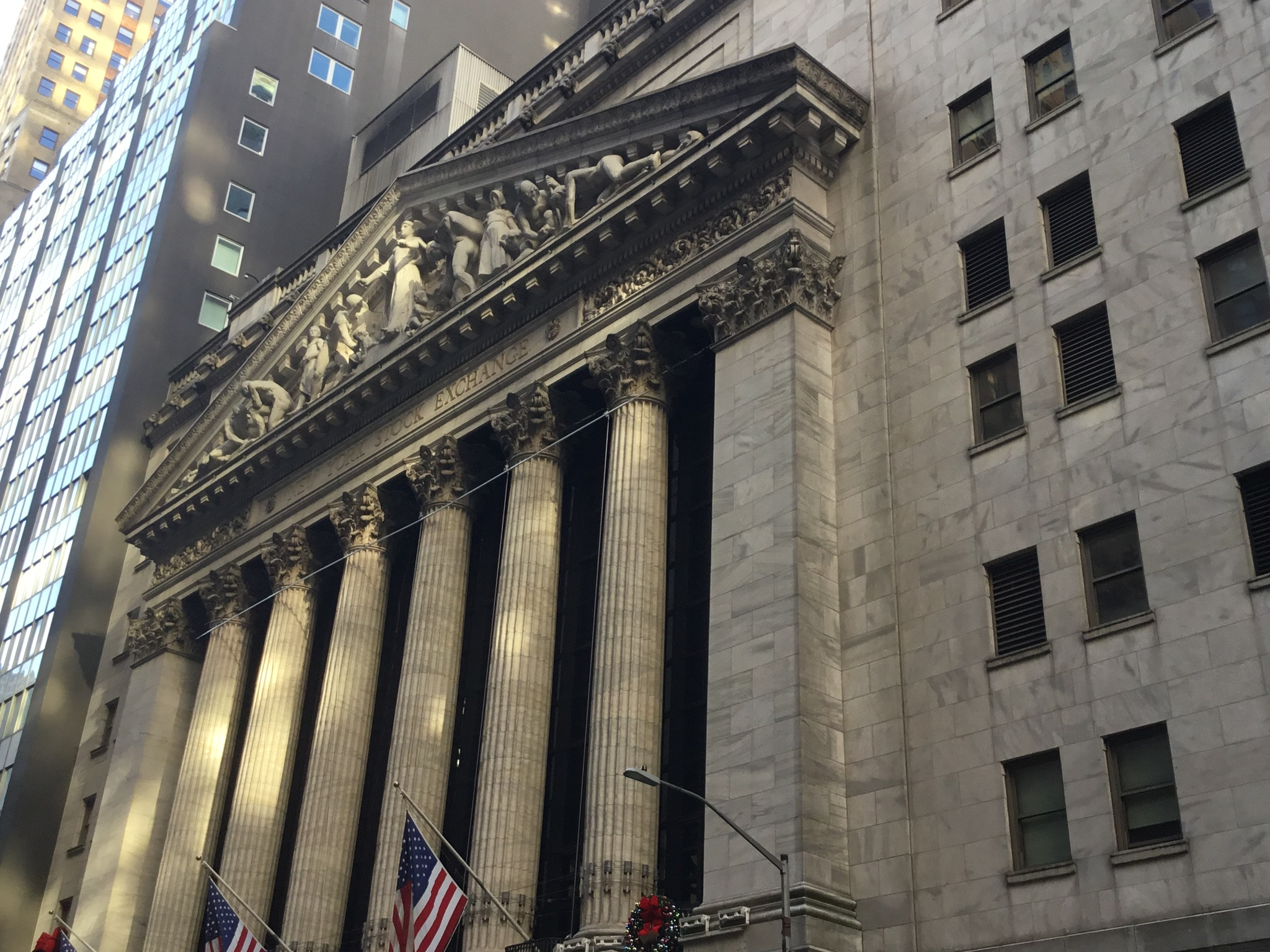
Wall Street stock and bond markets experienced significant price swings during a volatile "Fed Day" session [1, 2].
This instability suggests a weakening of the market's resilience, as the perceived "crash cushion" that previously protected investors from sharp declines appears to have evaporated [1].
Major equity indexes recorded their worst "Fed Day" performance since December 2024 [3]. The volatility extended beyond stocks into the fixed-income market, where the yield on the 30-year bond shot higher [3].
Market analysts said these swings were due to the specific timing and nature of the Federal Reserve's activities during the day [1]. The sharp rise in long-term bond yields often signals shifting expectations regarding inflation or future interest rate paths, a move that can put downward pressure on equity valuations.
Investors are now grappling with a landscape where the safety nets of previous cycles are no longer providing the same level of protection [2]. The simultaneous drop in equity performance and the spike in bond yields create a challenging environment for diversified portfolios.
While the markets have weathered various shocks in recent years, the intensity of this specific session highlighted a vulnerability in current pricing [1]. The reaction on Wall Street indicates a high sensitivity to Federal Reserve policy signals, leaving the market prone to rapid shifts in sentiment.
“Major equity indexes put in their worst 'Fed Day' performance since December 2024.”
The evaporation of a 'crash cushion' indicates that the market's internal mechanisms for absorbing bad news are failing. When both stocks and long-term bonds experience volatility simultaneously, it removes the traditional hedge investors use to balance risk, potentially leading to higher volatility in the near term as the market seeks a new equilibrium.


