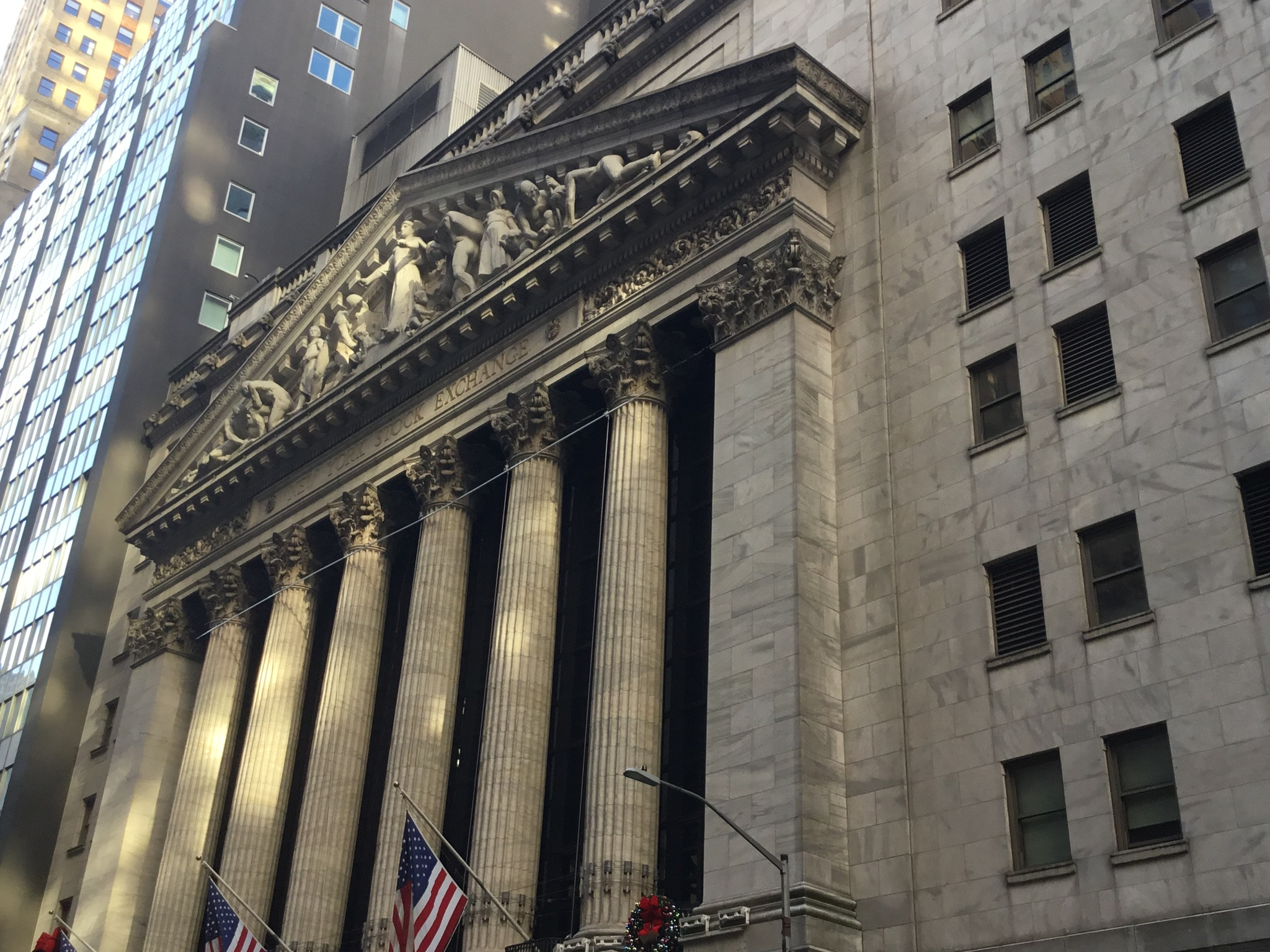
Wall Street ended mixed on Wednesday, April 29, 2026, as investors evaluated crude prices and the Federal Reserve's latest interest-rate decision [1, 2].
This volatility reflects a cautious market sentiment as traders balance macroeconomic pressures against the potential for growth in the technology sector. The intersection of energy costs and monetary policy creates a complex environment for equity valuations.
Market participants focused heavily on the Federal Reserve's decision regarding interest rates. The outcome of this meeting often dictates the cost of borrowing for corporations and consumers, influencing overall economic momentum.
Adding to the uncertainty were spiking crude oil prices. Rising energy costs can drive inflation higher, which may prompt the Federal Reserve to maintain a more restrictive monetary stance to cool the economy.
Investors also anticipated a quartet of high-profile earnings reports [1]. Four major technology companies released their financial results after the closing bell [1]. These reports are critical for gauging the health of the digital economy, and the sustainability of recent growth trends.
While some reports indicated a mixed performance, others suggested a trend toward lower trades [1, 2]. The discrepancy in market direction highlights the fragmented nature of investor confidence during this period of transition.
“Wall Street ended mixed on Wednesday, April 29, 2026”
The mixed performance of the U.S. stock market indicates a tug-of-war between inflationary pressures from the energy sector and the growth expectations of big tech. By balancing the Fed's rate decisions with corporate earnings, investors are attempting to determine if the economy can sustain growth without triggering a new spike in inflation.


