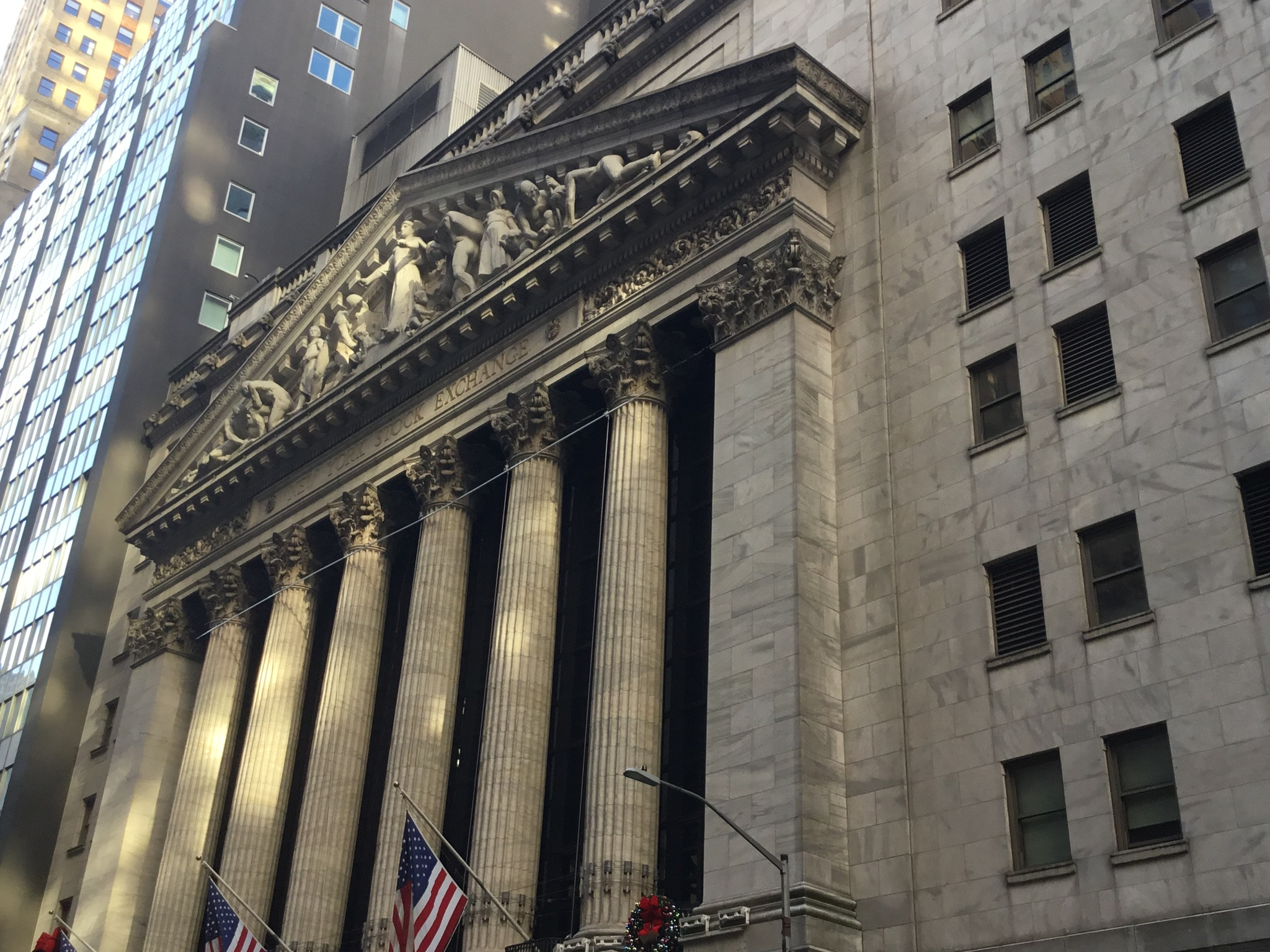
Wall Street ended mixed on Monday, July 27, 2026 [1], as investors focused their attention on upcoming technology earnings reports.
This volatility reflects a broader market tension between the growth potential of the tech sector and macroeconomic pressures that could stifle investment. The results of the current earnings cycle will likely dictate the short-term trajectory of major indices.
Investors are currently awaiting guidance from major technology companies to determine if the sector can maintain its momentum. This anticipation has created a cautious atmosphere on the trading floor in New York City.
Beyond corporate earnings, energy markets are contributing to the uncertainty. Some analysts said that stubbornly high oil prices could force the Federal Reserve to raise interest rates to combat inflation. Higher rates typically increase borrowing costs for companies and can lower the valuation of growth stocks.
There are conflicting reports regarding the immediate movement of energy costs. While some indicators point to the pressure of high prices, other reports suggest that oil prices fell following actions by President Trump. This discrepancy highlights the sensitivity of the market to both geopolitical shifts and federal policy.
Market participants remain focused on the interplay between the Federal Reserve's monetary policy and the actual performance of the largest firms in the U.S. economy. The outcome of this week's financial disclosures will provide a clearer picture of whether the tech rally has sustainable legs or is facing a correction.
“Wall Street ended mixed on Monday, July 27, 2026”
The mixed closing indicates a market at a crossroads. Investors are weighing the fundamental strength of the tech industry against the risk of a hawkish Federal Reserve. If oil prices remain high, the Fed may prioritize inflation control over economic growth, potentially offsetting any gains from strong corporate earnings reports.


