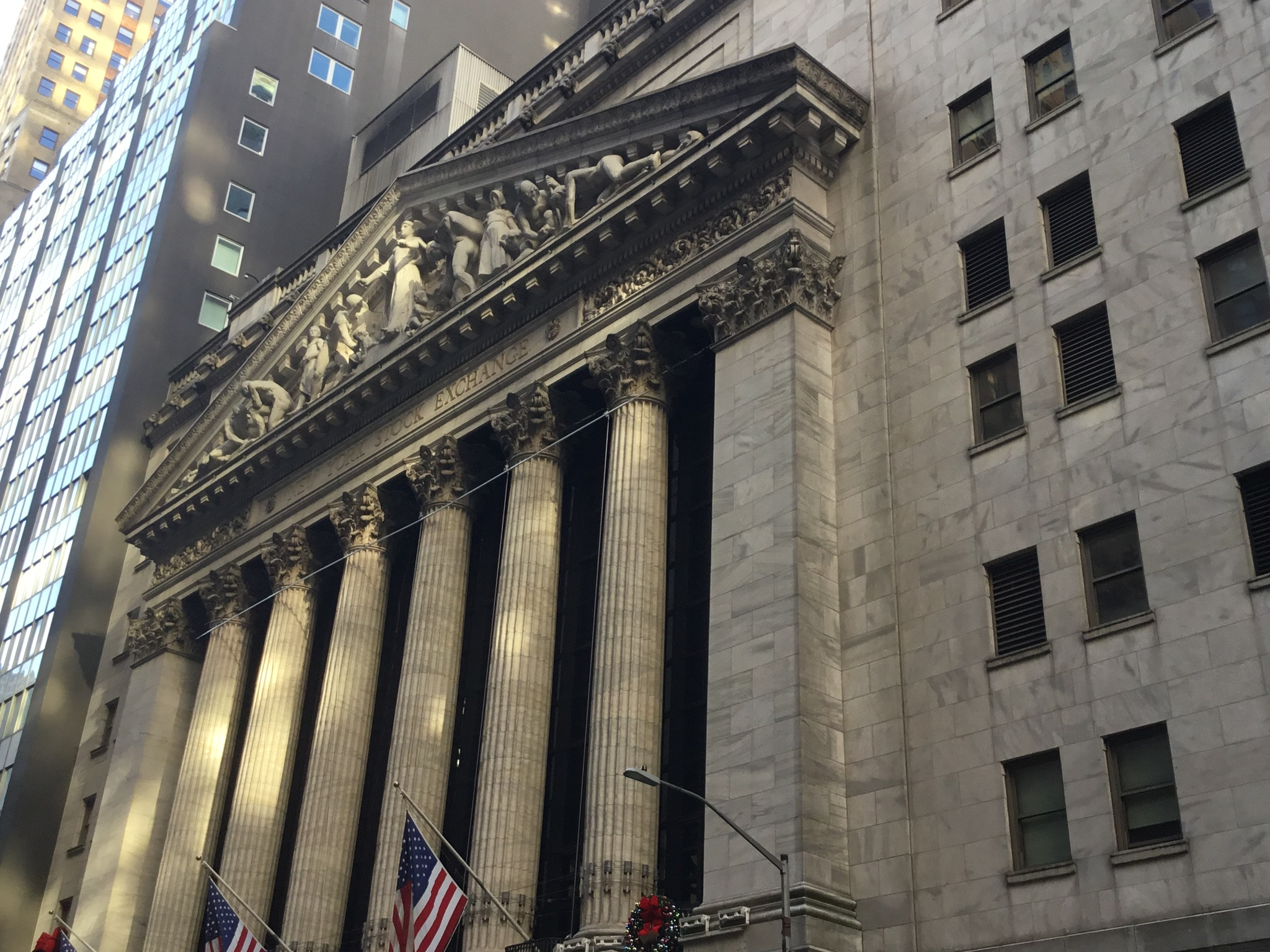
Wall Street investors are displaying a heightened risk appetite through increased activity in prediction markets and rising oil prices [1].
This shift in sentiment suggests a growing willingness among traders to speculate on volatile geopolitical and economic outcomes. When prediction markets see record volume, it often signals that investors are hedging against or betting on specific disruptive events that traditional equity markets may not yet fully price in [2].
Market observers said there was a distinct "risk-on" mood among investors this Monday [1]. This environment typically occurs when traders move away from safe-haven assets, such as gold or government bonds, and toward higher-yield, higher-risk investments [2].
Concurrent with this sentiment, the oil market has seen an uptick in prices [1]. The intersection of rising energy costs and speculative betting in prediction markets often reflects uncertainty regarding global stability or supply chain disruptions [2].
While the specific drivers behind the current surge in betting were not detailed, the volume of activity is described as record-breaking [1]. This level of engagement indicates that the financial community is closely monitoring potential triggers for market volatility [2].
Trading activity across these sectors remains a primary indicator for broader economic sentiment. As investors pivot toward these speculative instruments, the potential for rapid price swings increases, creating a feedback loop between prediction market odds and real-world asset pricing [1].
“Wall Street investors are displaying a heightened risk appetite”
The convergence of record-high prediction market activity and rising oil prices indicates that investors are bracing for volatility. A 'risk-on' sentiment in this context suggests that traders are not retreating to safety, but are instead actively speculating on high-stakes outcomes, which can amplify market swings if a predicted event occurs or fails to materialize.