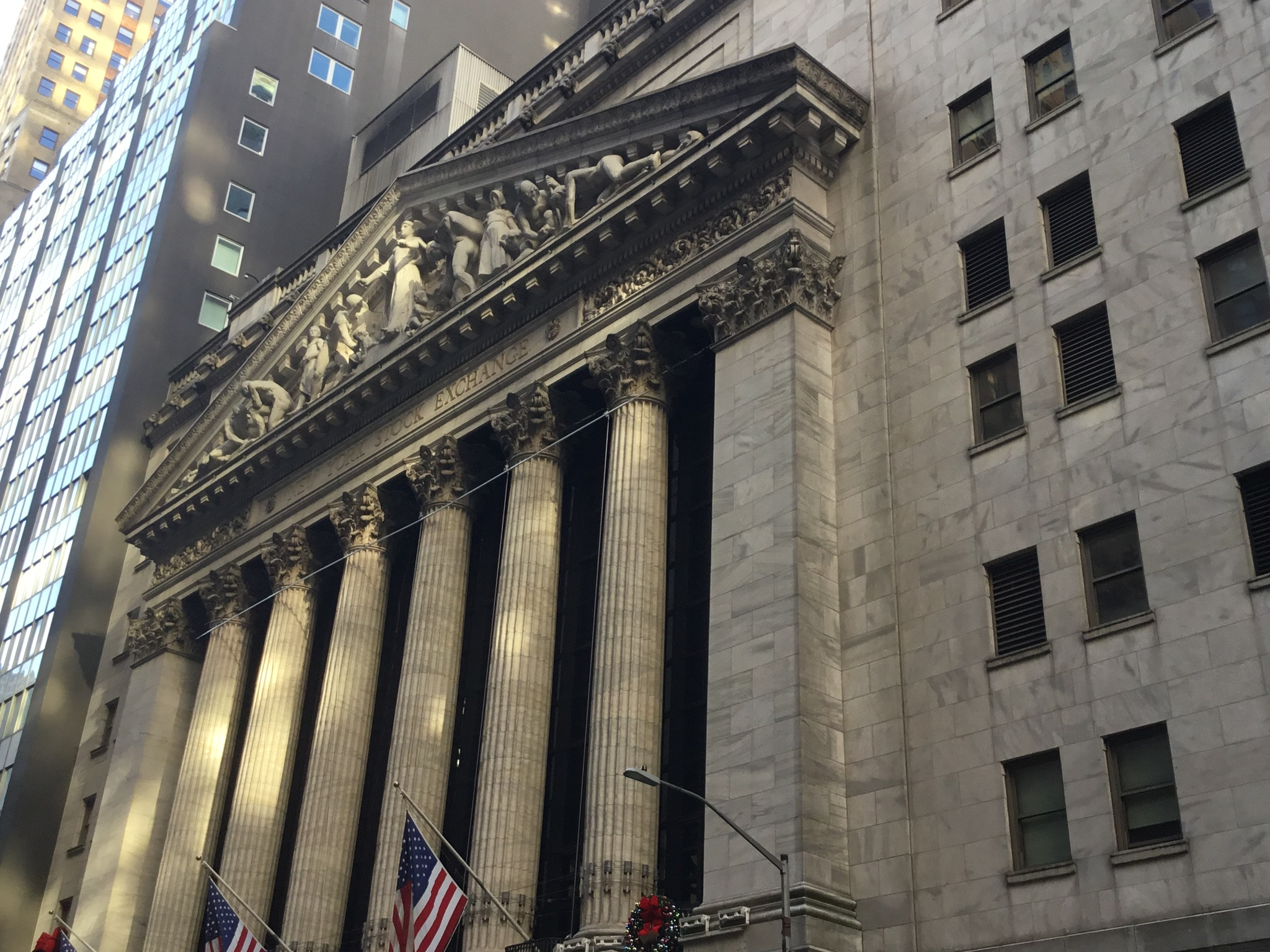
Wall Street traders and investors rushed to price out damage from the U.S.–Iran conflict, sending the S&P 500 above 7,000 and oil down to about $90 a barrel in mid‑April 2026. [2] [1]
The rally matters because it signals a broad shift in market expectations: participants act as if the war’s economic fallout is limited, which could affect corporate earnings, monetary policy outlooks, and the dollar’s value worldwide. [4]
During the week of April 15‑17, the S&P 500 posted a modest 0.2% daily gain, enough to break its previous record and close above the 7,000 mark for the first time. [3] [2] The Dow Jones Industrial Average and Nasdaq Composite followed suit, each posting gains that lifted them into new territory. Analysts noted that the price action reflected a collective bet that hostilities were de‑escalating, rather than any single piece of news.
"Traders spent this week betting that the U.S. conflict with Iran is all but over — driving stocks to records, dumping the dollar and pushing oil to around $90 a barrel," said Bloomberg News. [1]
The dollar index fell as investors shifted into risk assets, a move that typically accompanies expectations of lower geopolitical risk. At the same time, crude prices eased to roughly $90 per barrel, a level cited by Bloomberg as reflecting reduced war‑related supply concerns. [1]
Former President Donald Trump also entered the conversation, stating that Iran had agreed to suspend its nuclear program indefinitely and that a deal to end the war was mostly complete. [5] While the claim was reported by Moneycontrol, other major outlets did not corroborate the statement, underscoring the fragmented nature of information surrounding the conflict.
Market participants remain cautious, however. Some observers point out that underlying economic data still show inflation pressures and that the war’s long‑term effects on regional oil infrastructure could resurface. Nonetheless, the immediate impact of the optimism has been a surge in equity valuations and a temporary reprieve for energy‑intensive sectors.
**What this means** Investors are treating the U.S.–Iran conflict as a waning risk, which is driving a rally across U.S. equities and easing oil prices. If the war does indeed de‑escalate, the momentum could sustain higher stock levels and a weaker dollar. Conversely, any renewed fighting could reverse the gains quickly, exposing the market’s sensitivity to geopolitical headlines.
“"Traders spent this week betting that the U.S. conflict with Iran is all but over — driving stocks to records, dumping the dollar and pushing oil to around $90 a barrel," said Bloomberg News.”
Investors are treating the U.S.–Iran conflict as a waning risk, which is driving a rally across U.S. equities and easing oil prices. If the war does indeed de‑escalate, the momentum could sustain higher stock levels and a weaker dollar. Conversely, any renewed fighting could reverse the gains quickly, exposing the market’s sensitivity to geopolitical headlines.
'%2F%3E%0A%20%20%20%20%3Crect%20width%3D'1600'%20height%3D'900'%20fill%3D'url(%23v)'%2F%3E%0A%20%20%20%20%3Cg%20opacity%3D'0.08'%20fill%3D'%23ffffff'%3E%0A%20%20%20%20%20%20%3Ccircle%20cx%3D'1420'%20cy%3D'180'%20r%3D'220'%2F%3E%0A%20%20%20%20%20%20%3Ccircle%20cx%3D'1500'%20cy%3D'760'%20r%3D'120'%2F%3E%0A%20%20%20%20%3C%2Fg%3E%0A%20%20%20%20%3Cline%20x1%3D'80'%20y1%3D'172'%20x2%3D'220'%20y2%3D'172'%20stroke%3D'%23ffffff'%20stroke-width%3D'3'%20stroke-opacity%3D'0.6'%2F%3E%0A%20%20%20%20%3Ctext%20x%3D'80'%20y%3D'140'%20font-family%3D'Inter%2C%20-apple-system%2C%20Helvetica%2C%20sans-serif'%20font-weight%3D'700'%20font-size%3D'28'%20fill%3D'%23ffffff'%20letter-spacing%3D'6'%3EHANNA%20%C2%B7%20NEWS%3C%2Ftext%3E%0A%20%20%20%20%3Ctext%20x%3D'80'%20y%3D'230'%20font-family%3D'Inter%2C%20-apple-system%2C%20Helvetica%2C%20sans-serif'%20font-weight%3D'600'%20font-size%3D'40'%20fill%3D'%23ffffffb3'%20letter-spacing%3D'4'%3EBUSINESS%3C%2Ftext%3E%0A%20%20%20%20%3Ctext%20x%3D'80'%20y%3D'622'%20font-family%3D'Playfair%20Display%2C%20Georgia%2C%20serif'%20font-weight%3D'800'%20font-size%3D'86'%20fill%3D'%23ffffff'%20letter-spacing%3D'-1'%3EChild%20killed%20after%20tree%3C%2Ftext%3E%3Ctext%20x%3D'80'%20y%3D'721'%20font-family%3D'Playfair%20Display%2C%20Georgia%2C%20serif'%20font-weight%3D'800'%20font-size%3D'86'%20fill%3D'%23ffffff'%20letter-spacing%3D'-1'%3Efalls%20on%20school%20bus%20in%3C%2Ftext%3E%3Ctext%20x%3D'80'%20y%3D'820'%20font-family%3D'Playfair%20Display%2C%20Georgia%2C%20serif'%20font-weight%3D'800'%20font-size%3D'86'%20fill%3D'%23ffffff'%20letter-spacing%3D'-1'%3EMumbai%3C%2Ftext%3E%0A%20%20%20%20%3Ctext%20x%3D'80'%20y%3D'870'%20font-family%3D'Inter%2C%20-apple-system%2C%20Helvetica%2C%20sans-serif'%20font-weight%3D'500'%20font-size%3D'22'%20fill%3D'%23ffffff66'%20letter-spacing%3D'2'%3Enews.hanna-ai.com%3C%2Ftext%3E%0A%20%20%3C%2Fsvg%3E)