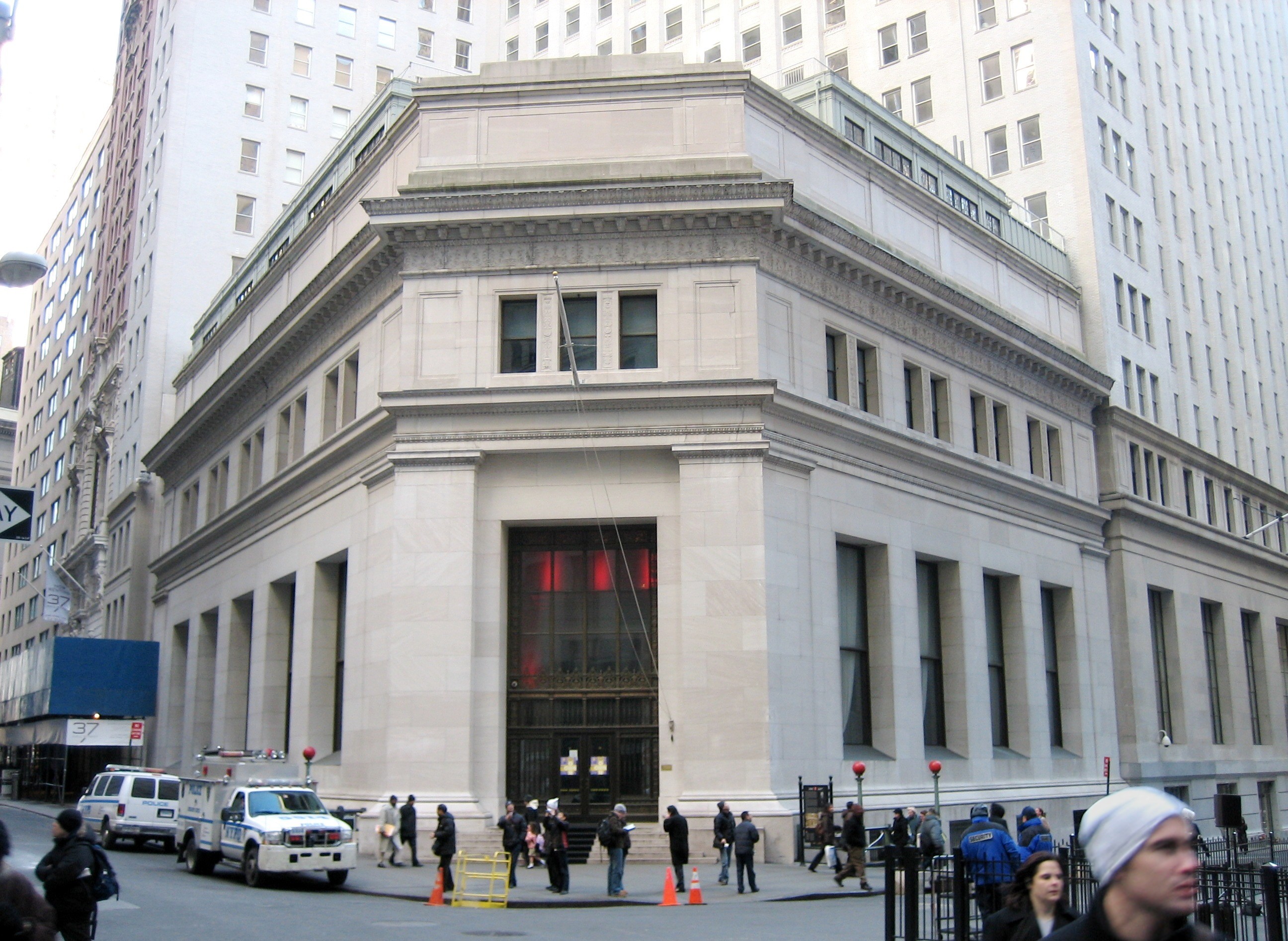
Wall Street closed slightly lower on July 1, 2024, as technology shares slipped and dragged down major indexes [1, 2].
The decline reflects ongoing volatility in the big-tech sector, which has become a primary driver of market movement and investor sentiment.
The S&P 500 fell by 0.1% [3]. While the broader market faced pressure from technology stocks, gains in Meta Platforms helped limit the overall decline [1, 2]. The Dow Jones and Nasdaq also closed lower as the sell-off in high-growth tech assets outweighed other market gains [1, 2].
Federal Reserve Chair Kevin Warsh provided some support to the markets during the session. Warsh addressed the current economic climate and the trajectory of prices [1, 2].
"Inflation risks have eased recently," Warsh said [1].
His comments suggested a potential shift in the risk landscape, though they were not enough to reverse the downward trend caused by the tech sector [1, 2]. Market analysts said that while the Fed Chair's outlook on inflation was positive, the immediate pressure from big-tech valuations remained the dominant force on the trading floor [2].
Oil prices eased during the same period, but bets on future rate hikes continued to rise, adding to the uncertainty for equity investors [2]. The intersection of shifting monetary policy expectations and tech-sector weakness created a mixed environment for traders on Monday [1, 2].
“"Inflation risks have eased recently,"”
The slight dip in the S&P 500 and other major indexes demonstrates a fragile balance between macroeconomic optimism and sector-specific volatility. While the Federal Reserve Chair's signal that inflation risks are receding typically supports equities, the market's sensitivity to big-tech valuations suggests that investors are prioritizing immediate corporate earnings and sector health over broader monetary policy signals.


