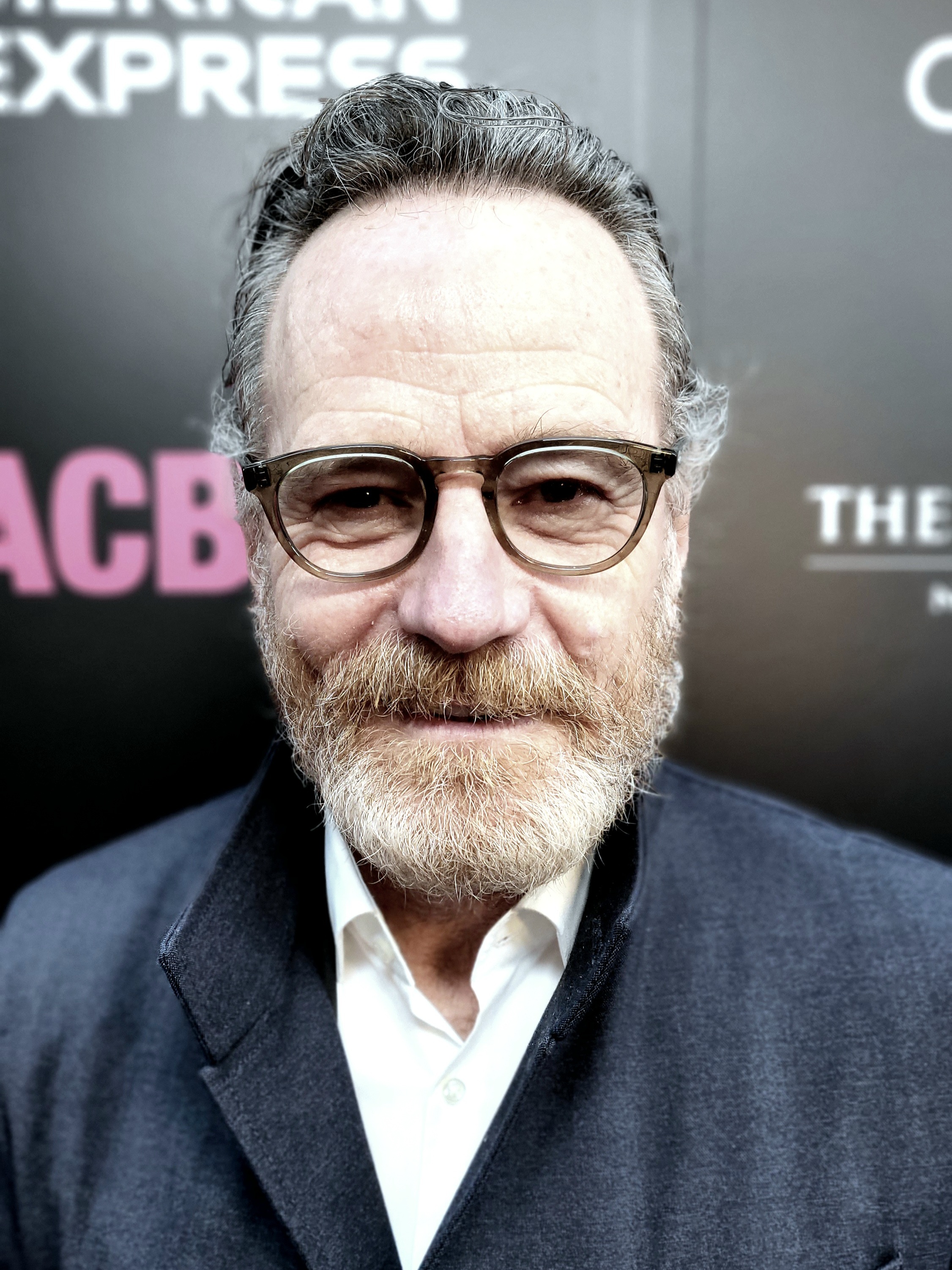
If Walter White had stayed a high‑school chemistry teacher, his retirement would hinge on a modest pension, Social Security, and limited savings.
The piece illustrates how a career educator’s financial outlook differs sharply from the drug‑dealer path dramatized on *Breaking Bad*, underscoring the real‑world stakes of career choices for teachers across the U.S. Understanding this contrast matters because it highlights the financial pressures facing public‑school teachers, a group whose retirement security is often debated in policy circles.
The Yahoo Finance article said that New Mexico teachers earn a pension based on years of service and final average salary, a formula that would have applied to White after roughly two decades of teaching. His pension would therefore be modest compared with private‑sector retirement plans, reflecting state‑wide teacher benefit structures [1].
AOL’s coverage said that Social Security benefits would supplement the pension but remain limited because teachers typically earn less than the maximum taxable earnings needed for full benefits. The combined income would likely cover basic living expenses but leave little room for discretionary spending [2].
His pension would be calculated on a formula common to New Mexico teachers. Social Security benefits would supplement the pension but remain modest. Even with careful budgeting, his retirement savings would likely cover only basic living costs.
The analysis also notes that many teachers rely on a small personal savings habit, often contributing to a 403(b) or similar retirement account. With a modest salary, contributions grow slowly, and the eventual nest egg would be modest compared with the wealth accumulated through alternative high‑risk ventures.
Financial experts cited in the articles said teachers should consider supplemental retirement strategies, such as part‑time work after retirement or additional investments, to avoid outliving their resources. The hypothetical scenario serves as a reminder that public‑sector salaries, while stable, may not generate the wealth portrayed in fictional narratives.
Overall, the speculation paints a realistic picture: a stable but limited retirement income, reliant on pension formulas, Social Security, and disciplined, albeit modest, personal savings.
**What this means**: The imagined retirement of Walter White underscores the broader challenge of ensuring financial security for teachers who depend on state pension systems and modest wages. Policymakers and educators alike can use this illustration to argue for stronger pension funding, higher salaries, or expanded retirement savings options to protect teachers from economic insecurity in their later years.
“His pension would be calculated on a formula common to New Mexico teachers.”
The imagined retirement of Walter White underscores the broader challenge of ensuring financial security for teachers who depend on state pension systems and modest wages. Policymakers and educators alike can use this illustration to argue for stronger pension funding, higher salaries, or expanded retirement savings options to protect teachers from economic insecurity in their later years.


