
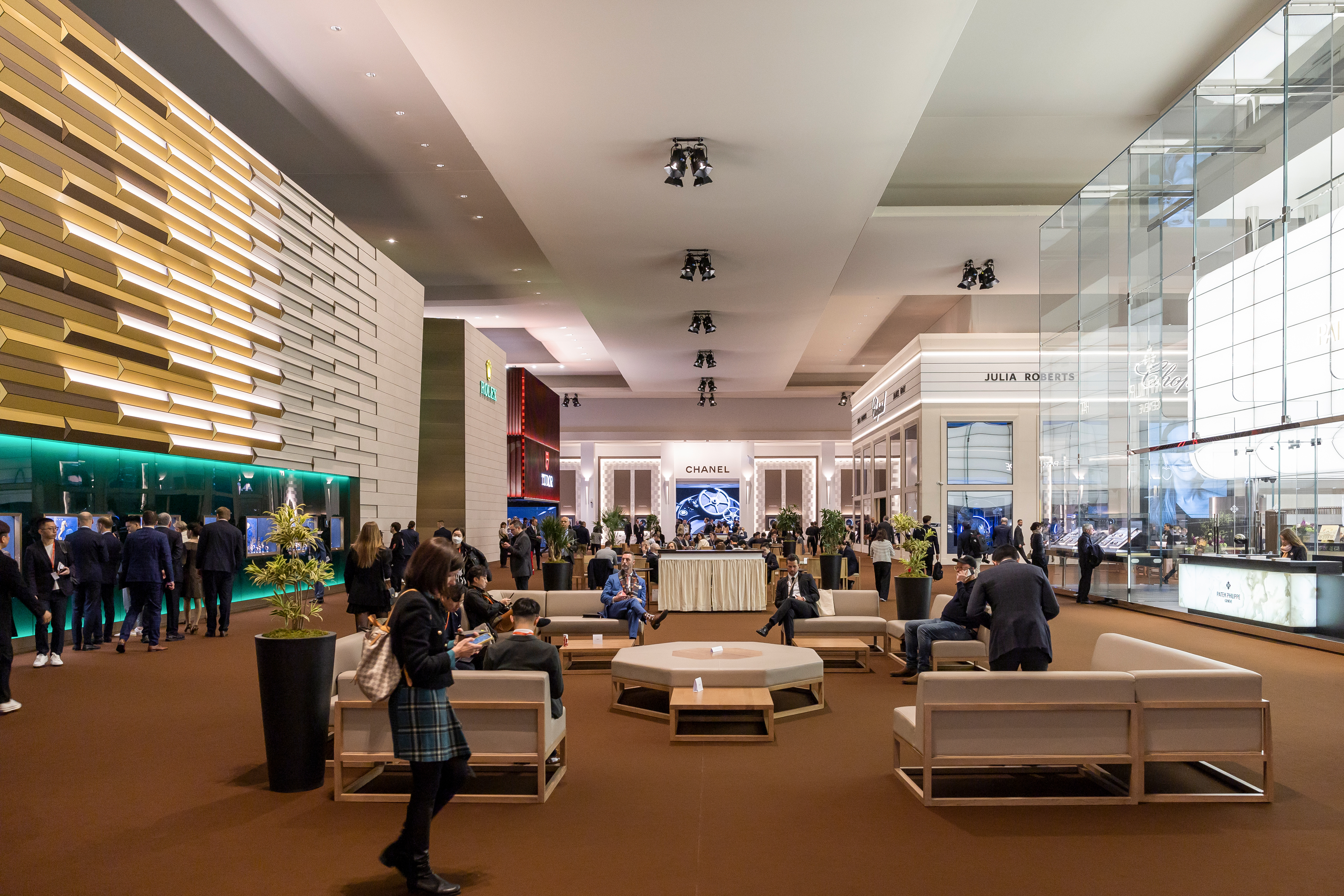
Luxury watchmakers unveiled a series of innovative timepieces featuring novel materials and mechanisms at the Watches and Wonders 2026 exhibition in Geneva [1].
The event serves as a critical benchmark for the industry, allowing brands to demonstrate technical progress in mechanical watchmaking while targeting the global affluent consumer market [1, 2].
The exhibition, which took place in April 2026 [2], showcased advancements from a wide array of prestigious houses. Participating brands included Rolex, Patek Philippe, Cartier, and Hublot, alongside Chanel, IWC, Parmigiani Fleurier, Tudor, H. Moser & Cie, Bulgari, Panerai, and TAG Heuer [1, 3].
Industry analysts highlighted 13 of the most innovative timepieces from the event [4]. These selections featured a range of technical breakthroughs, including the introduction of patented settings and space-ready tools designed for extreme environments [6]. Some designs pushed the boundaries of traditional aesthetics by incorporating disappearing chronographs [6].
These launches emphasize a shift toward blending traditional craftsmanship with futuristic engineering. By integrating new materials, brands aim to differentiate their products in a competitive luxury landscape where mechanical precision remains the primary value driver [1, 3]. The concentration of these debuts in Geneva underscores the city's role as the center of high-end horology, a hub where heritage brands must constantly evolve to maintain relevance.
“Luxury watchmakers unveiled a series of innovative timepieces featuring novel materials and mechanisms”
The focus on 'space-ready' tools and patented mechanisms suggests that luxury watch brands are moving beyond mere jewelry or status symbols. By investing in extreme-environment engineering and novel materials, these companies are attempting to justify high price points through tangible technical utility and intellectual property, ensuring that mechanical watches remain desirable in an era of digital dominance.


