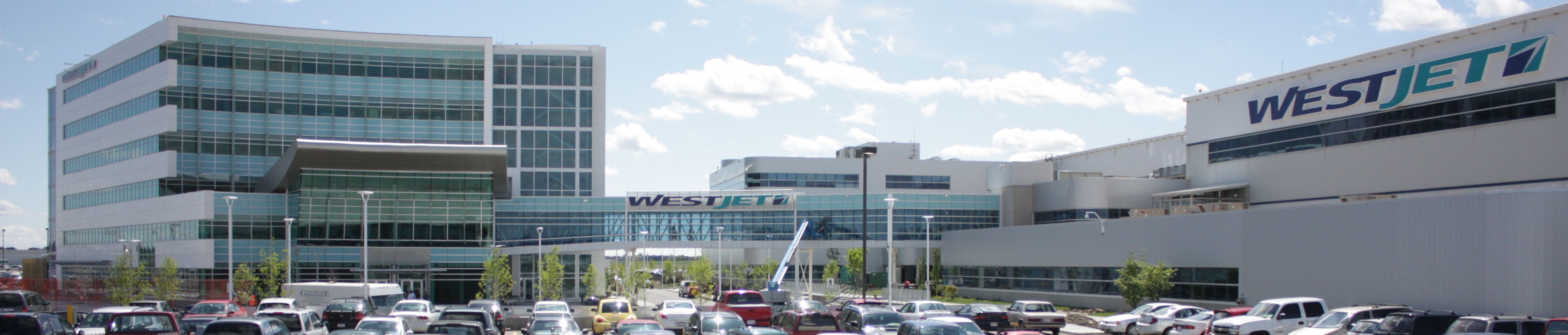
WestJet has begun parking its Boeing 737 aircraft across Canada to prepare for a potential flight-attendant strike [1].
This proactive grounding aims to minimize travel disruptions for passengers if labor negotiations fail. Because flight attendants are essential for aircraft operation, a walkout would effectively freeze the airline's ability to move passengers across its network.
The company said the statement from its headquarters in Calgary, Alberta [2]. The move comes after the union issued a 72-hour strike notice [3]. If an agreement is not reached, the strike is scheduled to begin at 12:01 a.m. Mountain Time on Sunday, Aug. 2 [4].
To protect its schedule and travelers, WestJet has already grounded 81 flights [5]. The decision to park the 737 fleet serves as a buffer against the sudden loss of crew members, a strategy intended to prevent passengers from being stranded at airports during the onset of a labor action.
Negotiations between the airline and the flight-attendants union have not yet produced a contract agreement [6]. The company said it is parking aircraft as a risk-management measure while both parties continue to discuss terms.
WestJet operates a significant fleet of Boeing 737s, which form the backbone of its narrow-body operations in Canada [1]. The scale of the grounding indicates the company's concern regarding the potential for widespread operational failure if the midnight deadline on Sunday passes without a deal [4].
“WestJet has begun parking its Boeing 737 aircraft across Canada to prepare for a potential flight-attendant strike”
By grounding aircraft before a strike officially begins, WestJet is attempting to control the narrative of the disruption. Rather than facing chaotic, last-minute cancellations, the airline is preemptively reducing capacity to ensure that the flights it does operate have the necessary staffing. This strategy shifts the pressure back onto the union by demonstrating the airline's willingness to scale back operations to maintain stability.

