
The World Health Organization and the Africa Centres for Disease Control and Prevention unveiled a six-month Ebola response plan on Saturday [1].
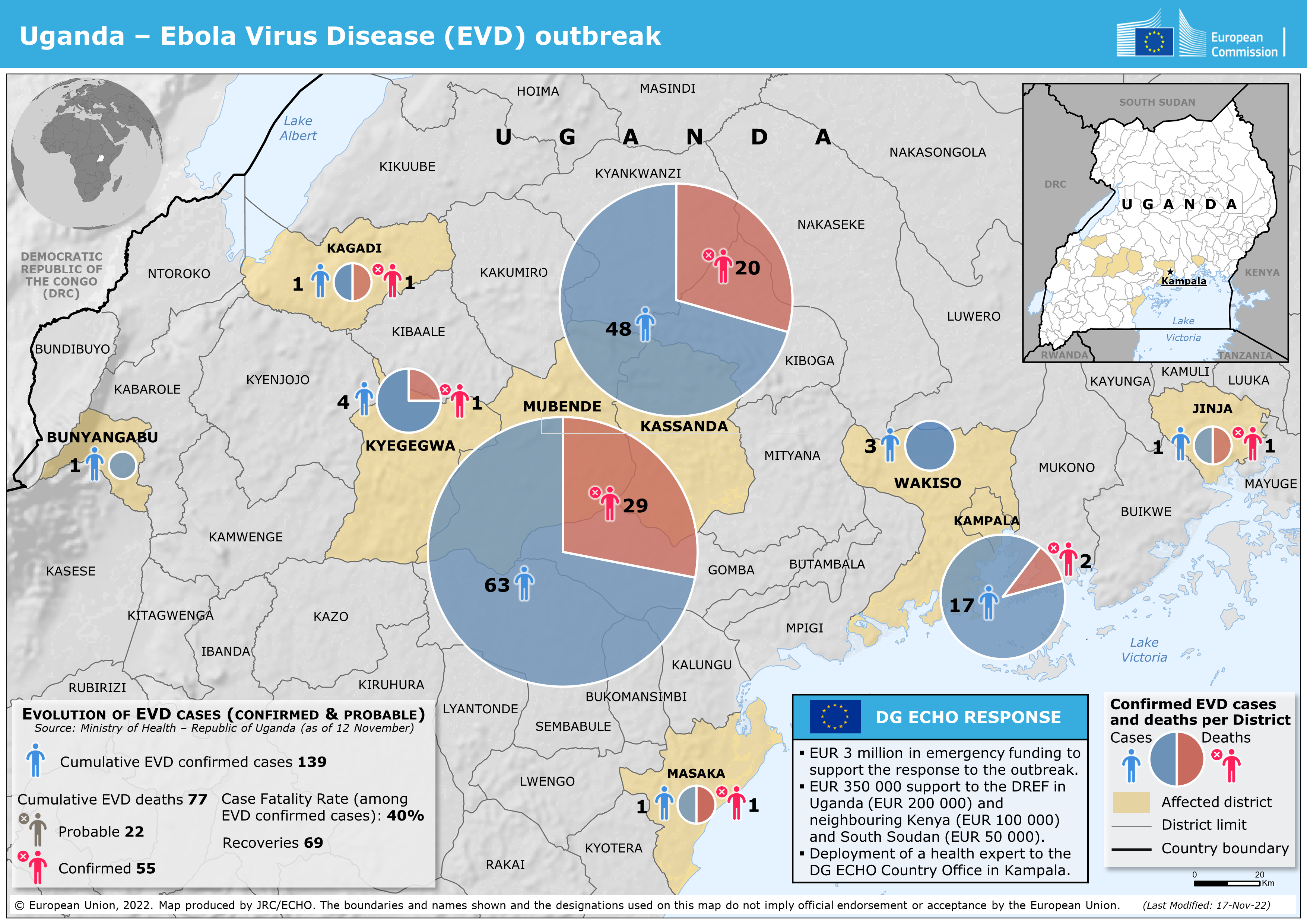
The joint strategy aims to contain the spread of the virus in the Democratic Republic of the Congo and Uganda. This coordinated effort is critical to prevent a wider regional epidemic as the DRC increases hygiene measures to slow transmission [1].
The plan comes amid a growing public health crisis. Reports indicate the current outbreak has resulted in more than 250 suspected Ebola cases [2] and at least 80 deaths [2]. The scale of these figures underscores the urgency of the six-month timeline established by the WHO and Africa CDC [1].
Officials said the response will focus on strengthening regional capabilities and supporting the DRC's internal efforts to improve sanitation and hygiene. These measures are intended to break the chain of infection in affected communities, a primary goal of the new strategic framework [1].
By aligning the resources of the WHO and the Africa CDC, the plan seeks to standardize the medical response across borders. This collaboration is designed to ensure that surveillance and treatment protocols are consistent in both the DRC and Uganda [1].
The response plan focuses on rapid deployment of medical teams and the distribution of hygiene supplies. The agencies said the goal is to stabilize the region and eliminate the current clusters of infection before the six-month window closes [1].
“The joint strategy aims to contain the spread of the virus in the Democratic Republic of the Congo and Uganda.”
The coordination between the WHO and Africa CDC signals a shift toward regionalized health security rather than isolated national responses. By targeting both the DRC and Uganda simultaneously, health officials are acknowledging that Ebola does not respect borders, making cross-border surveillance and standardized hygiene protocols the only viable way to prevent a systemic collapse of local health infrastructures.


