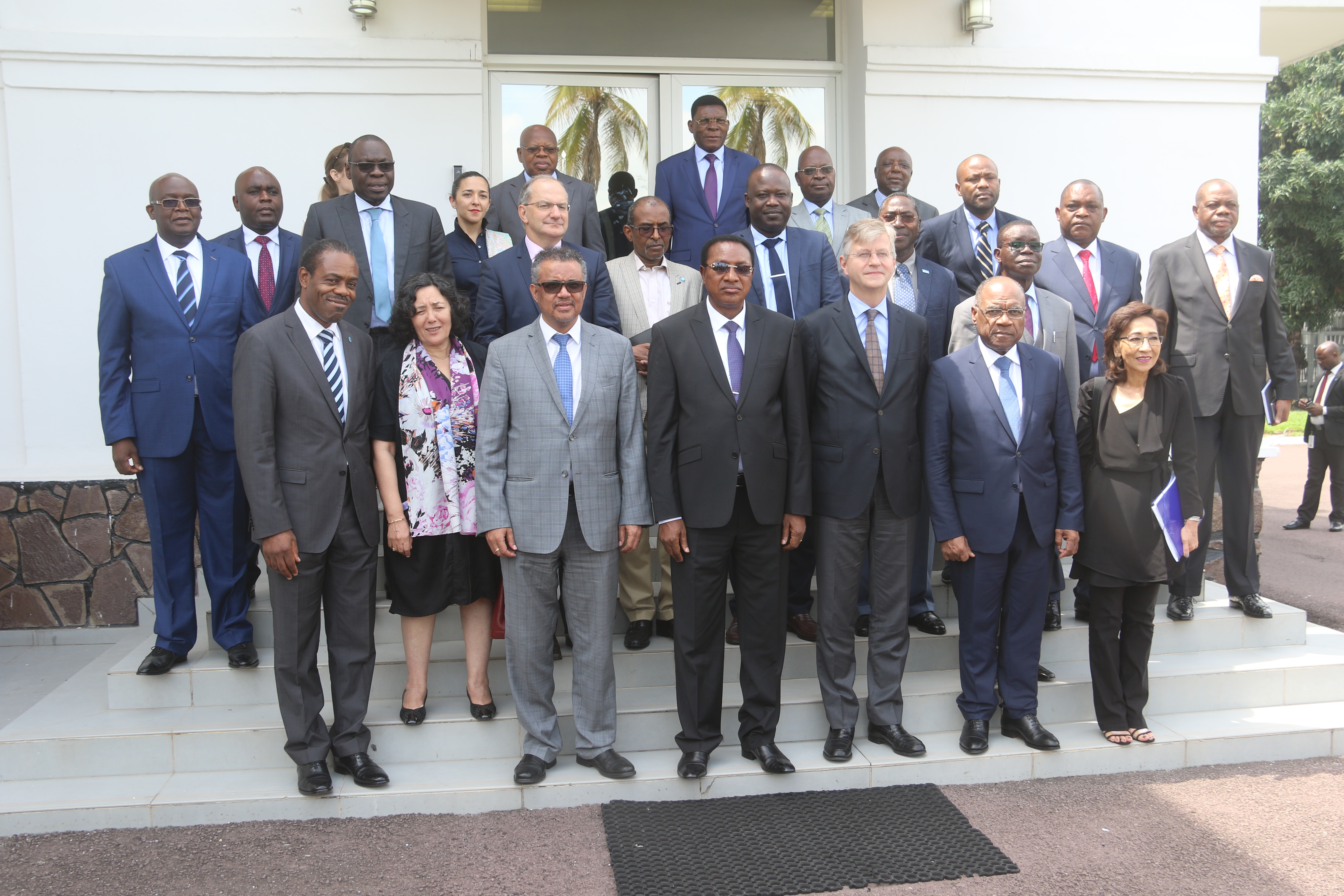
World Health Organization Director-General Dr. Tedros Adhanom Ghebreyesus arrived in Kinshasa on May 29, 2026, to help stop a rare Ebola outbreak [1].
The visit comes as the Democratic Republic of Congo struggles to contain the virus while facing severe equipment shortages and active conflict in the affected regions. The inability to secure the outbreak zone threatens to expand the reach of the virus beyond current epicenters.
Authorities in the DRC have reported 906 suspected cases [1] and 223 suspected deaths [1]. Some reports estimate these figures at approximately 800 cases and 220 deaths [2, 3].
Dr. Tedros said the response has been hampered by a combination of logistics and social barriers. He said the situation is complicated by insecurity and community mistrust, specifically regarding a rare strain of the virus [3].
“We will do everything possible to stop this outbreak and protect the people of the Democratic Republic of Congo,” Tedros said [1].
The WHO chief is focusing on bolstering the Ministry of Health's capacity to reach remote areas where armed groups remain active. These security risks often prevent health workers from administering vaccines or treating patients in a timely manner.
Tedros said the WHO is there to support the Ministry of Health and to help restore confidence in the response [2]. This effort to rebuild trust is critical, as community resistance can lead to the avoidance of treatment centers, and the concealment of cases.
Despite the challenges, the Director-General said the outbreak can be stopped through coordinated international support and improved local engagement [1].
““We will do everything possible to stop this outbreak and protect the people of the Democratic Republic of Congo.””
The arrival of the WHO Director-General signals that the Ebola response in the DRC has reached a critical juncture where technical medical solutions are insufficient without political and security interventions. The intersection of a rare viral strain with armed conflict and deep-seated community distrust creates a volatile environment that could facilitate a wider regional epidemic if the trust gap is not bridged quickly.