
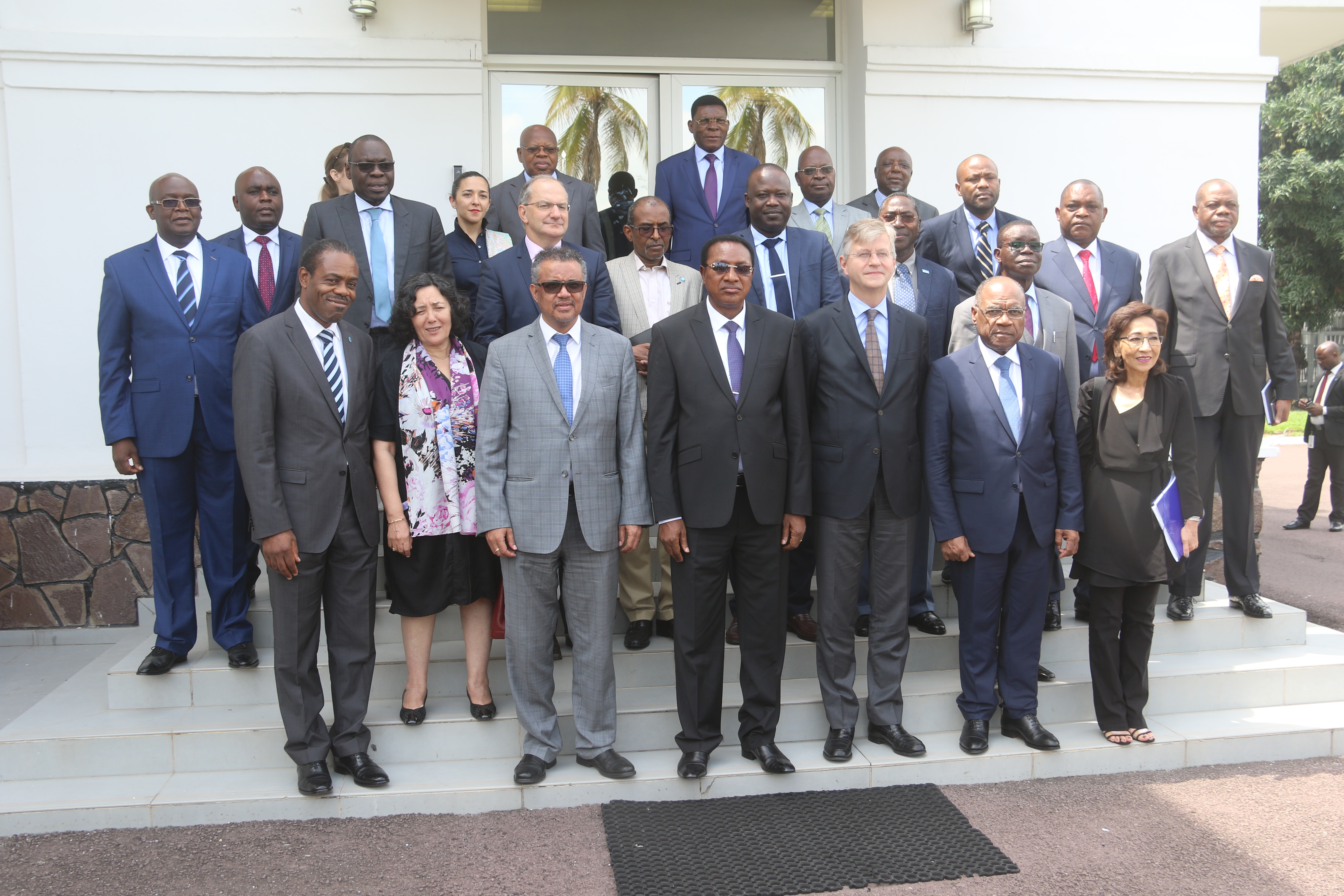
World Health Organization Director-General Tedros Adhanom Ghebreyesus visited Bunia on Saturday to support the response to a rare Ebola outbreak [1].
The visit to the capital of Ituri Province in eastern Democratic Republic of Congo aims to build community trust and promote safe burial practices. Because Ebola is highly contagious and often met with local skepticism, community-led interventions are seen as critical to stopping the spread of the virus [2, 5].
During the visit, Tedros said that five patients have recovered from the rare Ebola strain [1]. This news comes amid a challenging public health crisis in the region, where the virus has caused significant loss of life and widespread fear [3, 4].
Data regarding the scale of the outbreak varies across reports. Some figures indicate there are more than 1,000 suspected Ebola cases [2] and 246 suspected deaths [2]. However, latest official figures suggest a slightly lower range, citing 906 suspected cases [4] and 223 suspected deaths [4].
Tedros said that the residents of Bunia must lead the fight against the disease. He said that the response must be rooted in the community to be effective. By encouraging local leadership and safe burial methods, the WHO hopes to reduce the transmission rate of the virus [2, 3].
The Director-General's presence in the epicenter is intended to show solidarity with the affected population. He said the goal is to ensure that the necessary resources and support reach those most impacted by the outbreak [3, 5].
“Five patients have recovered from the rare Ebola strain”
The disparity in case and death tolls—ranging from 906 to more than 1,000 cases—highlights the difficulty of tracking outbreaks in conflict-affected regions like Ituri Province. By prioritizing 'community-led' responses and safe burials, the WHO is attempting to mitigate the cultural resistance and mistrust that often hinder medical interventions during Ebola crises, which can otherwise accelerate the virus's spread.


