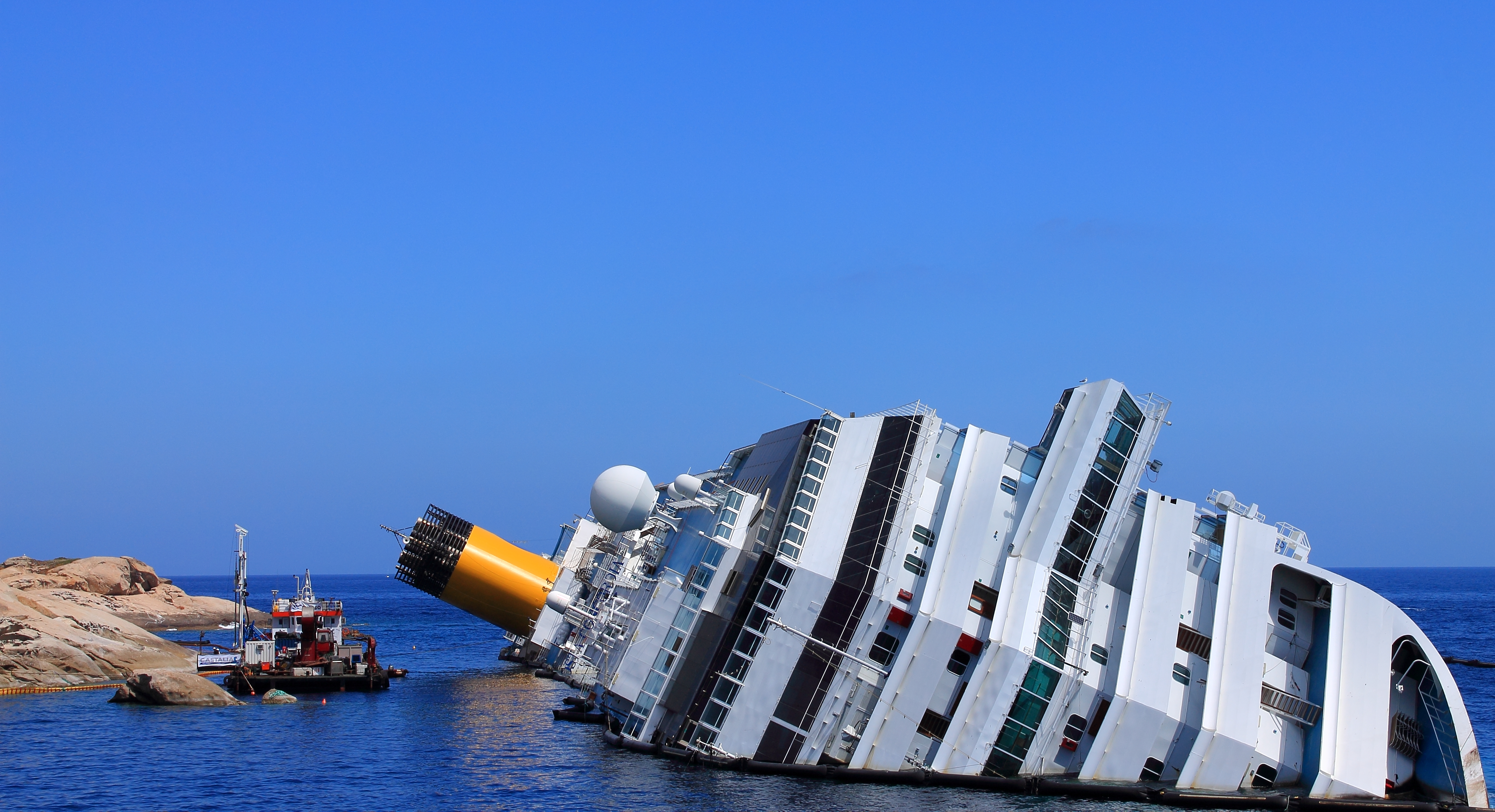
World Health Organization chief Tedros Adhanom Ghebreyesus said a hantavirus outbreak on a luxury cruise ship demonstrates why the U.S. should rejoin the agency.
The incident highlights the critical need for coordinated global health responses when infectious diseases emerge in international travel hubs. Because cruise ships move across borders, an outbreak in one region can rapidly become a global concern without centralized coordination.
Health officials are monitoring the situation after three suspected deaths [1] linked to the outbreak. The luxury vessel was traveling internationally when the hantavirus, typically transmitted by rodents, was detected. Currently, officials are tracing 30 additional passengers [2] to determine if they were exposed to the virus.
Despite the deaths, the WHO assessment of the outbreak risk is low [3]. Tedros said he sought to prevent public panic by distinguishing this event from previous global health crises.
"I want to be unequivocal here: this is not SARS‑CoV‑2," Tedros said. "This is not the start of a COVID pandemic. This is an outbreak that..."
The WHO chief said the current crisis argues that the absence of the U.S. from the organization weakens the collective ability to manage such threats. He said the infrastructure required to trace passengers, and manage international health regulations, is more effective when the world's largest health spenders are active members.
U.S. health officials are working alongside the agency to manage the immediate risk to passengers. The WHO continues to monitor the 30 people [2] under observation to ensure the virus does not spread further into port cities.
“this is not the start of a COVID pandemic”
This incident serves as a diplomatic lever for the WHO to pressure the U.S. government to restore its membership. By linking a tangible, current threat—even a low-risk one—to the lack of U.S. participation, the WHO is framing its membership not as a political choice, but as a matter of national and global security.


