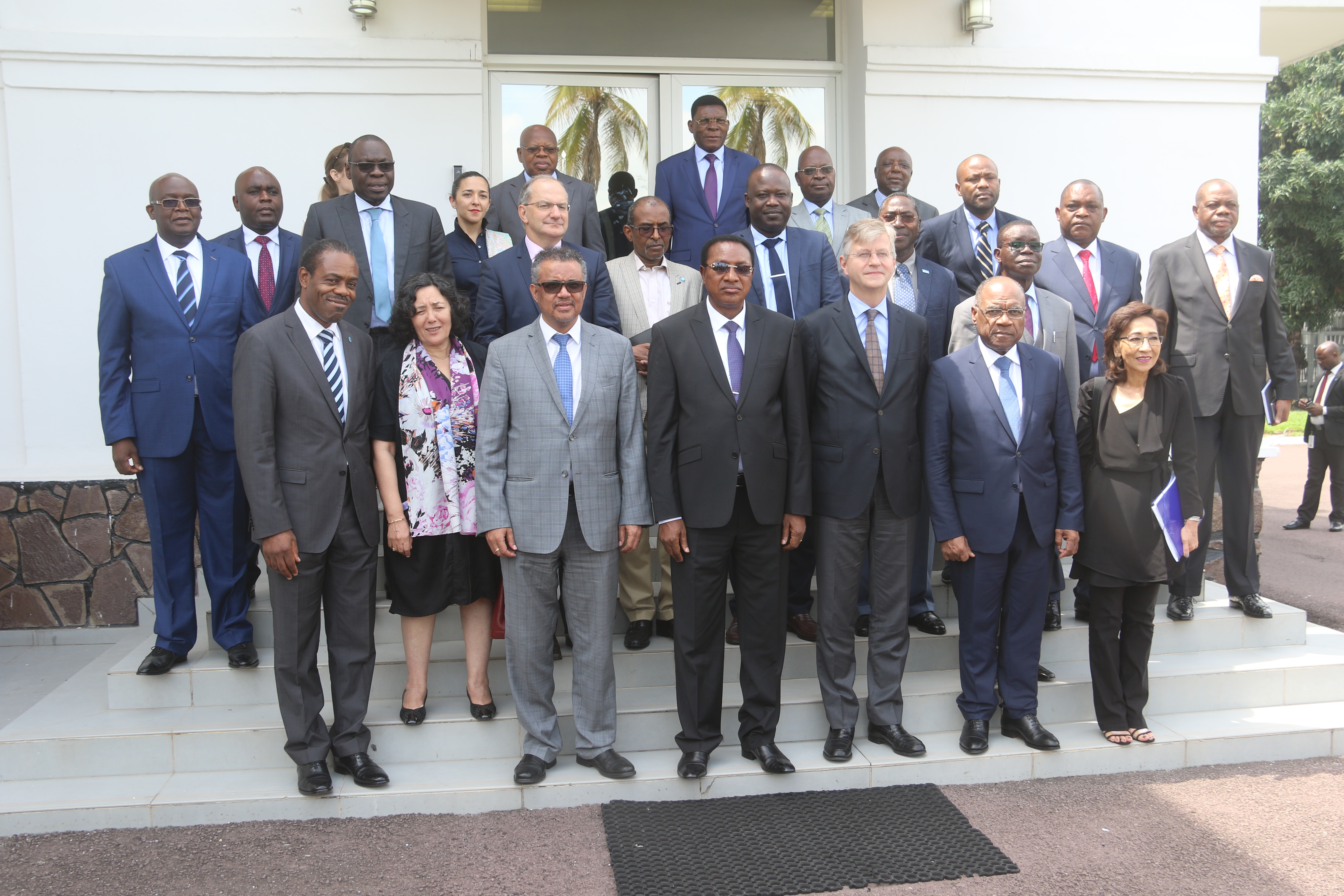
The World Health Organization declared a Public Health Emergency of International Concern on Sunday, May 17, following an Ebola outbreak in Central Africa [1].
This designation is critical because the current outbreak is caused by the rare Bundibugyo virus strain [2]. Unlike other forms of the virus, the Bundibugyo strain has no approved therapies or vaccines, creating a significant gap in the medical response and increasing the risk of uncontrolled spread across international borders [3].
The outbreak is centered in the Democratic Republic of Congo, where health authorities are working to contain the virus [4]. However, the disease has already crossed borders, with two confirmed cases identified in neighboring Uganda [5].
Health officials in the DRC and Uganda are coordinating with the WHO to manage the crisis. The rapid cross-border transmission underscores the vulnerability of the region to highly infectious pathogens that bypass existing medical countermeasures [3].
Because the Bundibugyo strain is less common than the Zaire strain, the lack of a tailored vaccine means clinicians must rely on supportive care rather than targeted antiviral treatments [2]. The WHO's emergency declaration allows for the mobilization of international resources and the acceleration of research into potential treatments for this specific variant [1].
International health agencies are monitoring the situation closely to prevent further transmission into other neighboring countries. The emergency status serves as a formal call for global cooperation to secure funding, and medical supplies for the affected regions [1].
“The Bundibugyo strain has no approved therapies or vaccines”
The declaration of a PHEIC for the Bundibugyo strain signals a high-risk scenario where existing medical infrastructure is insufficient. Because standard Ebola vaccines are not effective against this specific variant, the global health community faces a race to develop new countermeasures while attempting to contain the virus through traditional quarantine and contact tracing in a region with porous borders.


