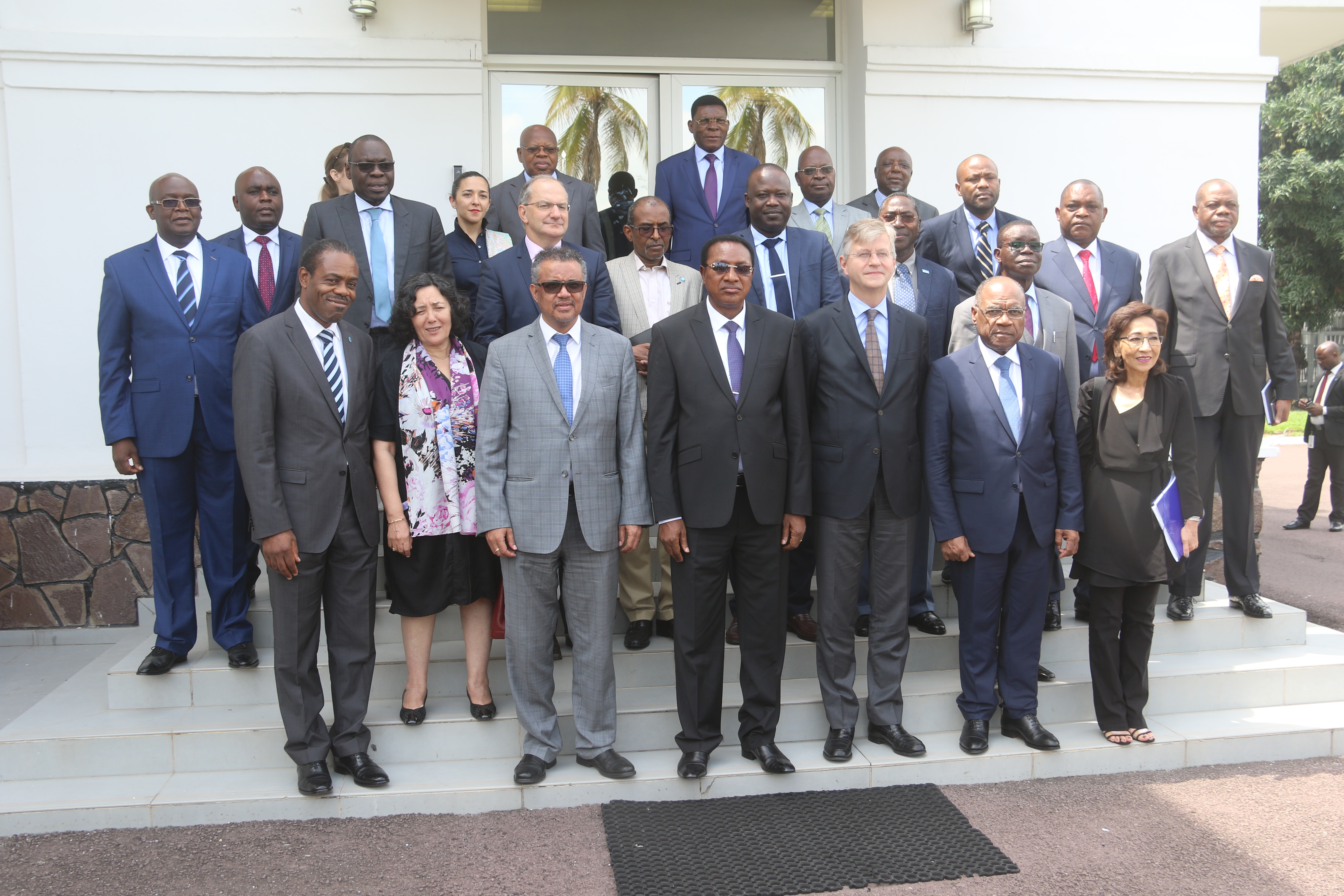
The World Health Organization declared the Ebola outbreak in the Democratic Republic of Congo and Uganda a public health emergency of international concern on May 17, 2026 [1].
This declaration allows the global health body to coordinate an international response and mobilize resources to contain the virus. Because the current outbreak involves the rare Bundibugyo virus strain, the risk to regional and global health is considered severe [1], [4].
The emergency status follows the spread of the virus across borders between the Democratic Republic of Congo and Uganda [1], [3]. The WHO identified the Bundibugyo strain as the primary driver of the current crisis, noting that its rarity complicates standard containment efforts [1], [4].
Reports on the total death toll associated with these events vary across sources. One report indicates 80 deaths [5], while another source cites 2,276 deaths since an outbreak began in August 2018 [6].
The WHO is now working to implement emergency protocols to prevent further transmission. These measures typically include increasing surveillance, deploying medical teams, and ensuring the availability of vaccines, and treatments in the affected regions [1], [2].
International health officials said the mobilization is necessary to prevent the virus from reaching neighboring countries. The coordination effort aims to stabilize the health infrastructure in both the Democratic Republic of Congo and Uganda to manage the patient load and secure borders [1], [3].
“The rare Bundibugyo virus strain has prompted the World Health Organization to mobilize an international response.”
The designation of a public health emergency of international concern is the WHO's highest level of alarm. By identifying the rare Bundibugyo strain, the organization is signaling that standard Ebola protocols may be insufficient, requiring specialized medical interventions and more aggressive international cooperation to prevent a wider pandemic.

'%2F%3E%0A%20%20%20%20%3Crect%20width%3D'1600'%20height%3D'900'%20fill%3D'url(%23v)'%2F%3E%0A%20%20%20%20%3Cg%20opacity%3D'0.08'%20fill%3D'%23ffffff'%3E%0A%20%20%20%20%20%20%3Ccircle%20cx%3D'1420'%20cy%3D'180'%20r%3D'220'%2F%3E%0A%20%20%20%20%20%20%3Ccircle%20cx%3D'1500'%20cy%3D'760'%20r%3D'120'%2F%3E%0A%20%20%20%20%3C%2Fg%3E%0A%20%20%20%20%3Cline%20x1%3D'80'%20y1%3D'172'%20x2%3D'220'%20y2%3D'172'%20stroke%3D'%23ffffff'%20stroke-width%3D'3'%20stroke-opacity%3D'0.6'%2F%3E%0A%20%20%20%20%3Ctext%20x%3D'80'%20y%3D'140'%20font-family%3D'Inter%2C%20-apple-system%2C%20Helvetica%2C%20sans-serif'%20font-weight%3D'700'%20font-size%3D'28'%20fill%3D'%23ffffff'%20letter-spacing%3D'6'%3EHANNA%20%C2%B7%20NEWS%3C%2Ftext%3E%0A%20%20%20%20%3Ctext%20x%3D'80'%20y%3D'230'%20font-family%3D'Inter%2C%20-apple-system%2C%20Helvetica%2C%20sans-serif'%20font-weight%3D'600'%20font-size%3D'40'%20fill%3D'%23ffffffb3'%20letter-spacing%3D'4'%3EBUSINESS%3C%2Ftext%3E%0A%20%20%20%20%3Ctext%20x%3D'80'%20y%3D'622'%20font-family%3D'Playfair%20Display%2C%20Georgia%2C%20serif'%20font-weight%3D'800'%20font-size%3D'86'%20fill%3D'%23ffffff'%20letter-spacing%3D'-1'%3ESalman%20Rushdie%20Receives%3C%2Ftext%3E%3Ctext%20x%3D'80'%20y%3D'721'%20font-family%3D'Playfair%20Display%2C%20Georgia%2C%20serif'%20font-weight%3D'800'%20font-size%3D'86'%20fill%3D'%23ffffff'%20letter-spacing%3D'-1'%3ELiberatum%20Cultural%20Honour%20in%3C%2Ftext%3E%3Ctext%20x%3D'80'%20y%3D'820'%20font-family%3D'Playfair%20Display%2C%20Georgia%2C%20serif'%20font-weight%3D'800'%20font-size%3D'86'%20fill%3D'%23ffffff'%20letter-spacing%3D'-1'%3ELondon%3C%2Ftext%3E%0A%20%20%20%20%3Ctext%20x%3D'80'%20y%3D'870'%20font-family%3D'Inter%2C%20-apple-system%2C%20Helvetica%2C%20sans-serif'%20font-weight%3D'500'%20font-size%3D'22'%20fill%3D'%23ffffff66'%20letter-spacing%3D'2'%3Enews.hanna-ai.com%3C%2Ftext%3E%0A%20%20%3C%2Fsvg%3E)
