
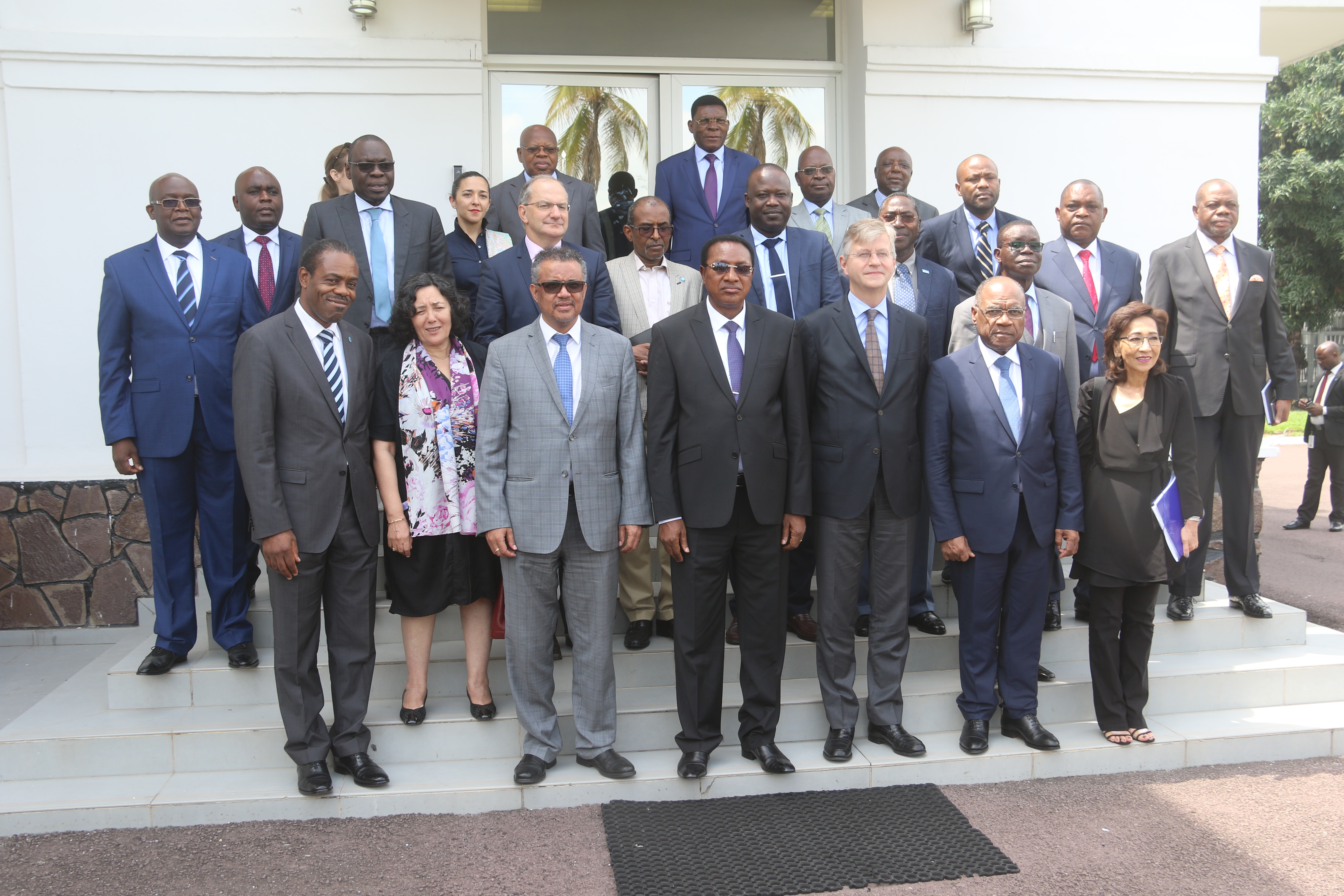
World Health Organization Director-General Tedros Adhanom Ghebreyesus said Monday that an Ebola outbreak in the Democratic Republic of Congo and Uganda is spreading faster than response efforts.
The situation is critical because the speed of transmission is currently outstripping the ability of medical teams to contain the virus. If the outbreak is not stabilized, it threatens to destabilize regional health infrastructure across Central and Eastern Africa.
Confirmed infections have now surpassed 900 [3]. The toll of the virus continues to climb, with reports of at least 131 deaths [5], and some estimates suggesting suspected fatalities are rising to 220 [1].
The outbreak is concentrated in eastern Congo and neighboring Uganda. Several factors are hampering the containment process, including delayed detection and persistent insecurity in the eastern regions of the DRC.
Medical teams are further constrained by a specific biological hurdle. There is currently no approved vaccine for the Bundibugyo strain of the virus [4]. This gap in pharmaceutical defense makes it harder for health workers to prevent new infections in high-risk zones.
Tedros said that medical teams are playing catch-up as the virus moves through these populations [3]. The combination of conflict and a lack of targeted vaccines creates a volatile environment for public health officials attempting to map the spread of the disease.
“The Ebola outbreak in the Democratic Republic of Congo and Uganda is spreading faster than response efforts.”
The inability to deploy a strain-specific vaccine combined with regional instability in the DRC creates a high-risk scenario for regional contagion. While the global threat level is currently considered low, the inability to 'get ahead' of the virus suggests that the window for localized containment is closing, potentially requiring a larger international humanitarian intervention.


