
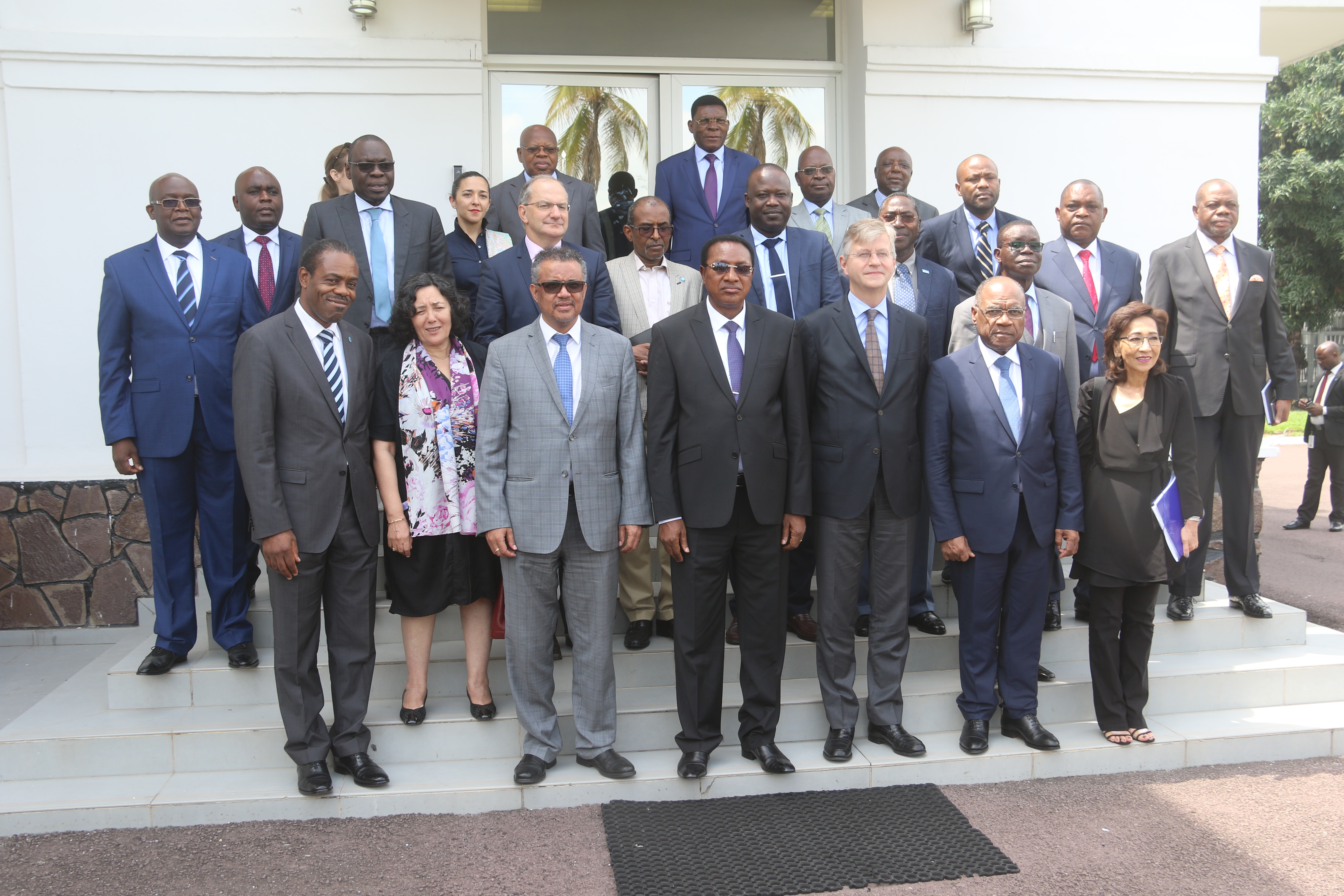
World Health Organization Director-General Tedros Adhanom Ghebreyesus said that a fast-moving Ebola outbreak in the Democratic Republic of Congo and Uganda is outpacing response efforts.
The scale and speed of the virus's spread threaten to overwhelm local health infrastructures, making containment difficult in the affected regions.
Tedros said that responders are "playing catch-up" as the epidemic accelerates [1]. The Director-General said that the fast-moving outbreak in the Democratic Republic of Congo and neighboring Uganda is moving faster than the ability of teams to respond [2].
According to reports, there are 220 suspected deaths linked to the virus [1]. Other data from central African health authorities indicates a lower number of 131 confirmed deaths [3]. These same authorities have reported 531 confirmed infections [3].
Officials said the struggle is due to a delay in detecting new cases and the rapid transmission of the virus. This gap in early detection has left responders unable to keep pace with the scale of the outbreak [1, 2].
Because the virus is spreading across borders, the coordination between the Democratic Republic of Congo and Uganda remains critical. The WHO is working to synchronize efforts to prevent further regional transmission, though the current speed of the epidemic remains a primary concern [2].
Tedros said that the window for effective containment is narrowing as the number of suspected cases rises. The organization continues to call for increased support and faster deployment of resources to the affected areas to stop the cycle of infection [1].
“We are playing catch-up.”
The discrepancy between suspected and confirmed death tolls highlights the difficulty of conducting forensic and medical verification during a rapid-onset epidemic. When a virus outpaces the response, it suggests that surveillance systems are failing to identify clusters before they become uncontrollable, increasing the risk of the outbreak becoming a wider regional crisis.


