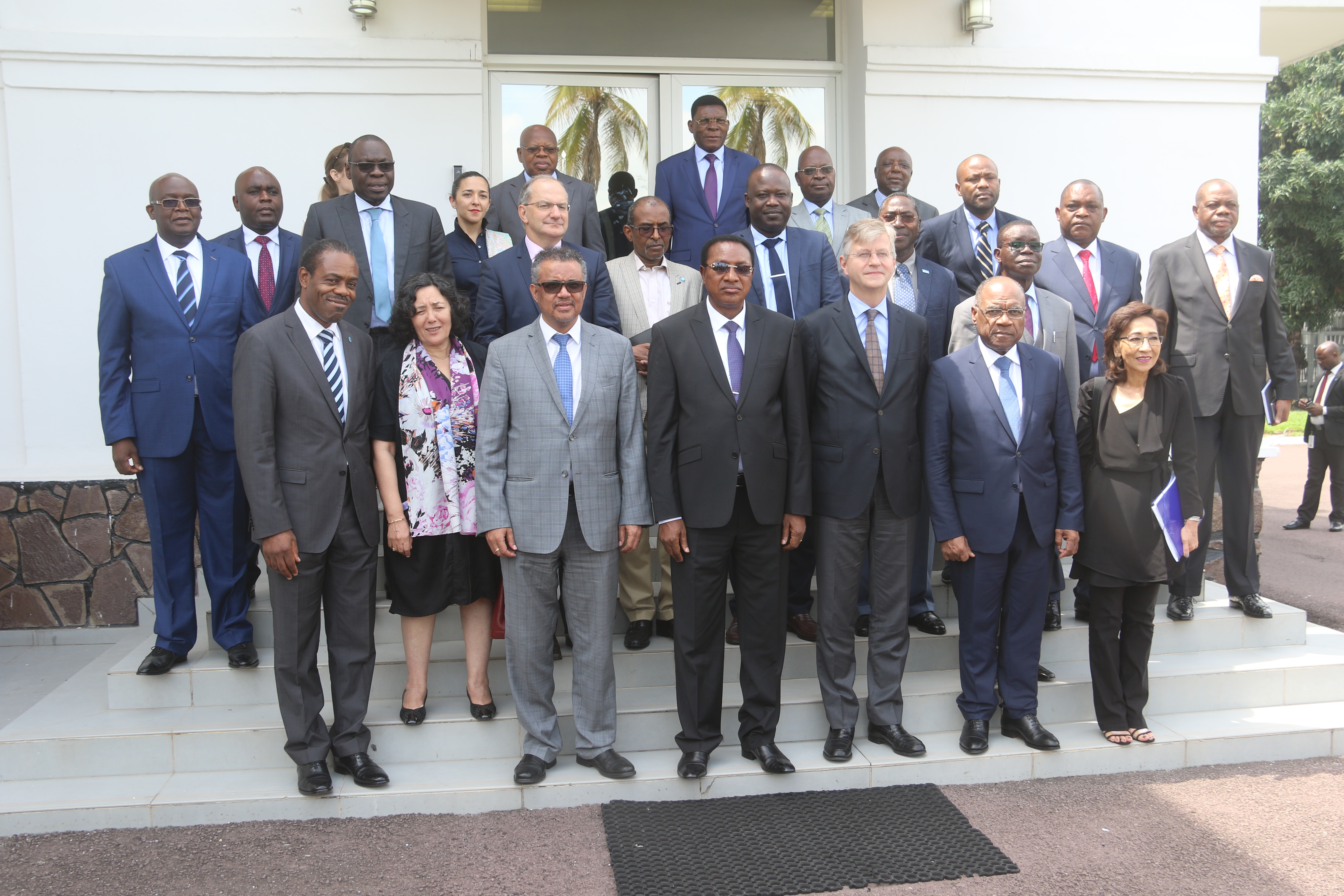
The World Health Organization has raised the risk level of an Ebola outbreak in the Democratic Republic of Congo to "very high" [1].
This escalation signals a critical threat to national health security. The rapid spread of the Bundibugyo strain is overwhelming the limited capacity of local health workers to contain the virus before it becomes a wider national crisis.
According to the WHO, the outbreak is spreading rapidly and poses a significant danger at the national level [2]. The organization said that the risk of the Bundibugyo strain turning into a full-scale national outbreak is "very high" [1].
Medical teams are currently battling a surge in infections. Tedros Adhanom Ghebreyesus said there are now almost 750 suspected cases and 177 suspected deaths in the Ebola outbreak [3]. Other reports indicate that at least 160 people died as the disease moves through the region [4].
The strain's rapid transmission is complicating containment efforts. Health workers are struggling to manage the influx of patients while attempting to track the virus's movement across borders and provinces, a task hindered by the region's fragile infrastructure.
WHO officials continue to monitor the situation as the number of suspected cases rises. The organization said it is calling for increased support to prevent the virus from destabilizing the national health system further [2].
“The risk of the Bundibugyo strain turning into a national outbreak is "very high".”
The transition to a "very high" risk level indicates that the outbreak has moved beyond a localized cluster and now threatens the stability of the DRC's entire public health infrastructure. Because the Bundibugyo strain is spreading rapidly, the window for containment is closing, necessitating an immediate scale-up of international medical resources and surveillance to prevent a catastrophic increase in mortality.


