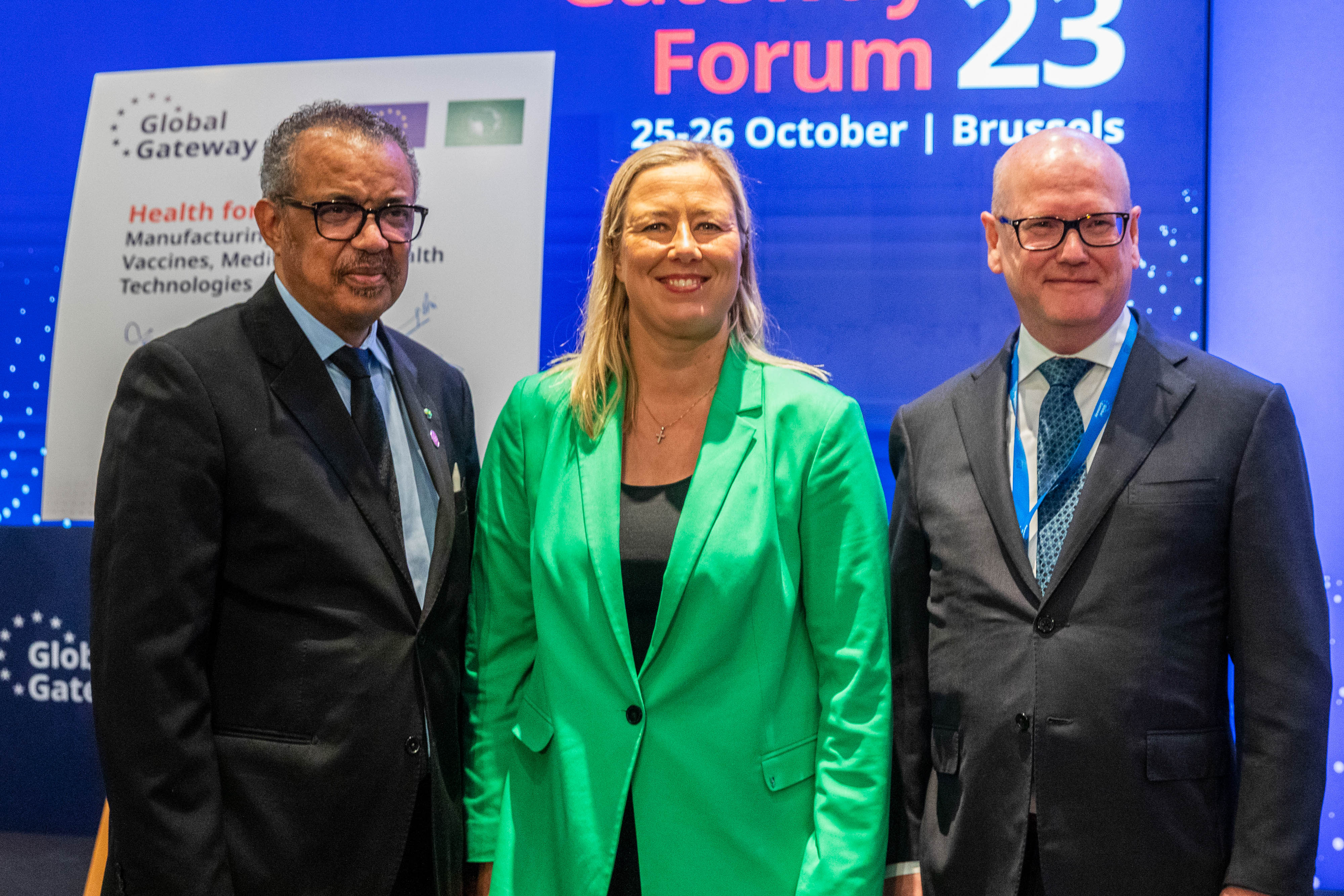
WHO Director-General Tedros Adhanom Ghebreyesus urged African leaders to strengthen health systems and increase domestic investment during a summit in Accra, Ghana [1, 2].
This push for self-reliance comes as international health funding declines, threatening progress made against major infectious diseases across the continent [1, 2].
Speaking at the African Union Extraordinary Summit on Health, Tedros said that Africa must address the root causes of disease to ensure long-term stability [1, 2]. He identified conflict, poverty, and poor education as primary drivers of health crises, alongside unsafe water and gender inequality [1, 2].
President John Mahama joined the WHO chief in calling for a strategic shift in how the continent manages its medical needs [1, 2]. Both leaders said stronger pharmaceutical production within Africa is necessary to reduce dependence on external health funding and foreign imports [1, 2].
The summit highlighted the vulnerability of current health gains regarding HIV, tuberculosis, and malaria [1, 2]. Without a transition toward domestic financing and local manufacturing, these leaders said the region remains susceptible to global funding shifts [1, 2].
By prioritizing the production of medicines and vaccines on the continent, the leaders said Africa can better safeguard its public health infrastructure [1, 2]. This approach aims to move the region away from a model of aid-dependency toward a sustainable, internally funded health system [1, 2].
“Africa must address the root causes of disease to ensure long-term stability.”
The call for domestic pharmaceutical production represents a strategic pivot toward health sovereignty. By reducing reliance on international donors and foreign-made medicine, African nations aim to mitigate the risks associated with fluctuating global aid and supply chain disruptions, treating health infrastructure as a matter of national security rather than charity.