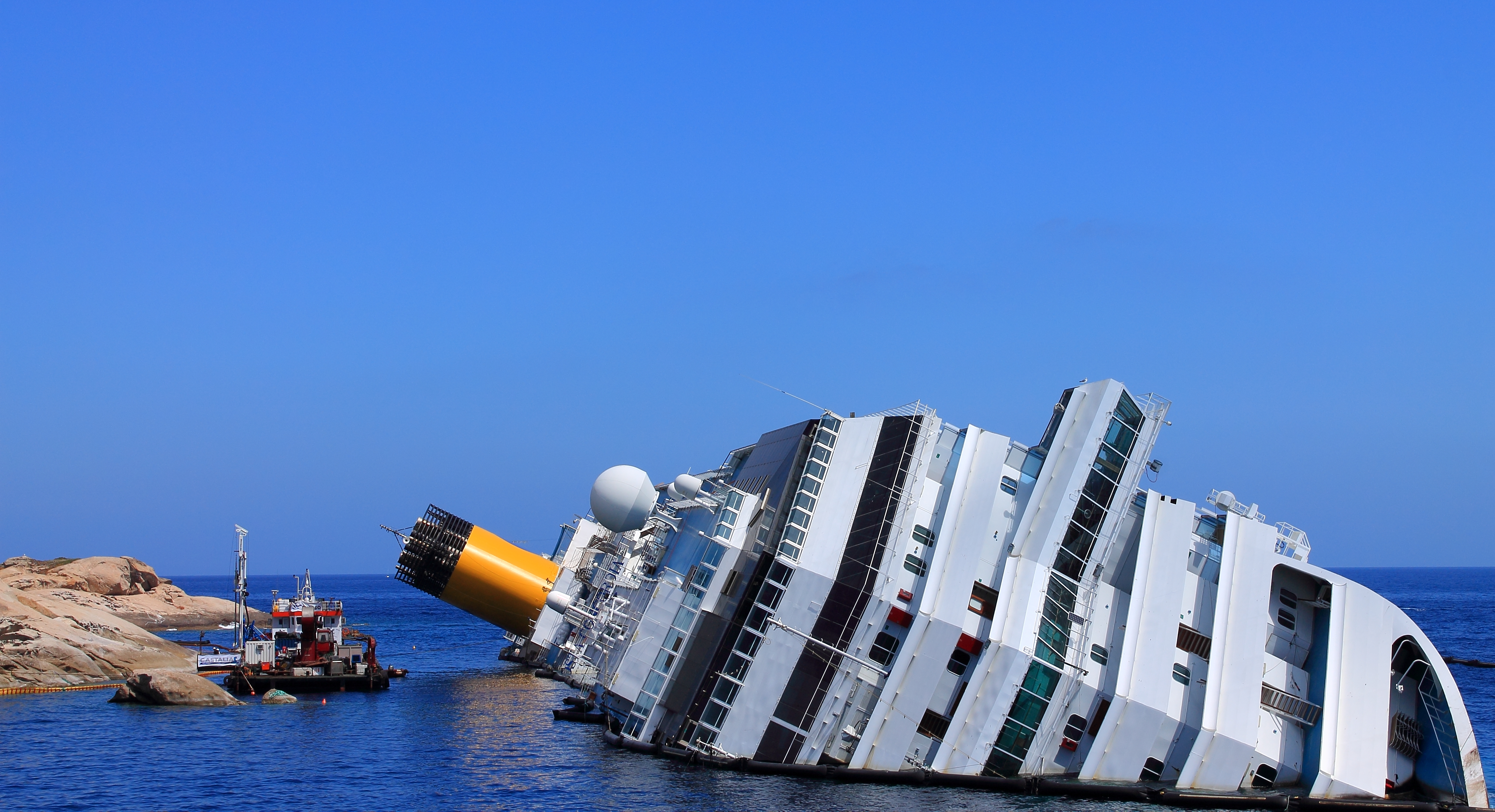
Global health officials expect hantavirus cases to continue rising following an outbreak on an international cruise ship this month [1].
The situation is being monitored closely because the confined environment of a ship facilitates the transmission of the virus [2]. While the rise in cases is expected, experts are working to prevent public alarm by distinguishing this event from previous global health crises.
Three people died on the cruise ship from the virus [3]. Among the passengers on the infected vessel were two residents of Georgia in the U.S. [4].
World Health Organization officials said that more cases are likely in the coming days and weeks. "We expect more cases given the dynamics of spread on a ship," a WHO spokesperson said [5].
Despite the increase in cases, infectious disease experts, including Dr. Abraar Karan of Stanford University, suggest the spread will remain limited [1]. The characteristics of the hantavirus differ significantly from the respiratory viruses that cause widespread community transmission [2].
One health official said, "This is not the coronavirus pandemic of a few years ago" [6]. Another infectious disease expert said that hantavirus is not the next pandemic [7].
Health officials are monitoring the spread to ensure that containment measures remain effective. The outbreak was reported in early May, with various reports detailing the situation between May 8 and May 12 [8].
“"We expect more cases given the dynamics of spread on a ship."”
The focus on the cruise ship outbreak highlights the vulnerability of high-density, enclosed travel environments to zoonotic diseases. However, because hantavirus typically lacks the efficient human-to-human transmission required for a pandemic, health officials are treating this as a localized cluster rather than a systemic global threat.


