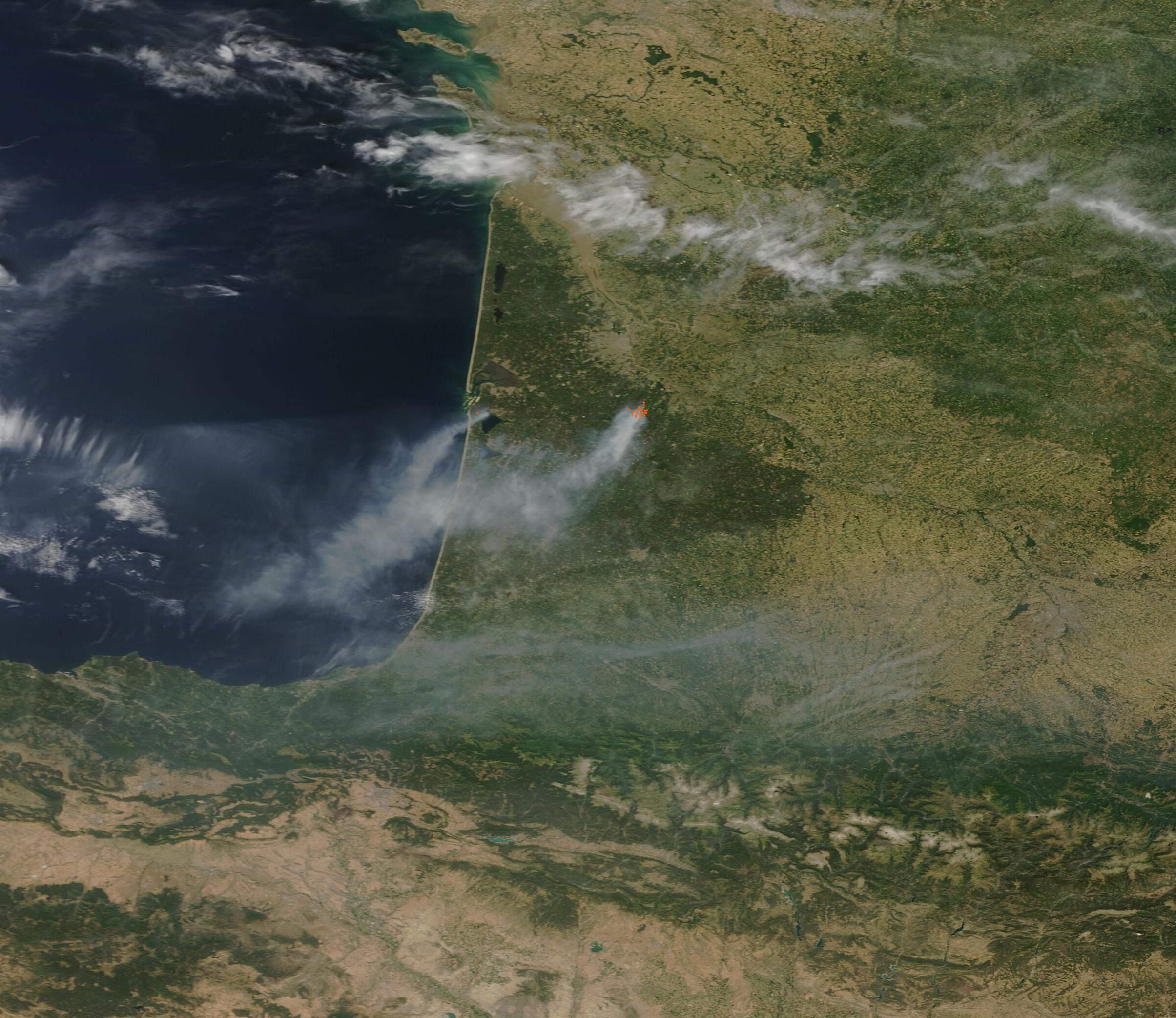
The World Health Organization said wildfire smoke from southern Europe is a growing health emergency that requires urgent public health action.
This warning comes as noxious gases and fine particulate matter travel far beyond the actual flames, threatening people who are not in immediate danger of fire but are breathing contaminated air. The WHO said authorities must do more to inform and protect the most vulnerable populations from these respiratory risks.
Recent fires in France and Spain have sparked widespread health fears [1]. The smoke contains particulates that can penetrate deep into the lungs, posing serious risks to children, the elderly, and those with pre-existing respiratory conditions [2].
Reports on the scale of the impact vary. Some data suggests thousands of people are at risk due to the combined effects of smoke, heat, and poor air quality [1]. Other assessments of dangerous smoke and unhealthy air quality levels indicate that more than 115 million people may be exposed [3].
Public health officials are being urged to implement better communication strategies to warn citizens when air quality reaches dangerous thresholds. The WHO said the emergency extends beyond the immediate fire zones, as wind currents carry pollutants across borders.
This alert follows reports from earlier this month, including a July 16 report detailing the serious health risks posed by the smoke [2]. The organization is calling for a coordinated response to manage the long-term health effects of these recurring seasonal events.
“Wildfire smoke from southern Europe is a growing health emergency”
The WHO's classification of wildfire smoke as a health emergency signals a shift in how environmental disasters are managed. By focusing on the smoke rather than just the flames, the organization is highlighting that the secondary effects of wildfires—air pollution and respiratory distress—can impact a significantly larger population than the fires themselves, necessitating a broader public health infrastructure for air quality monitoring.


