
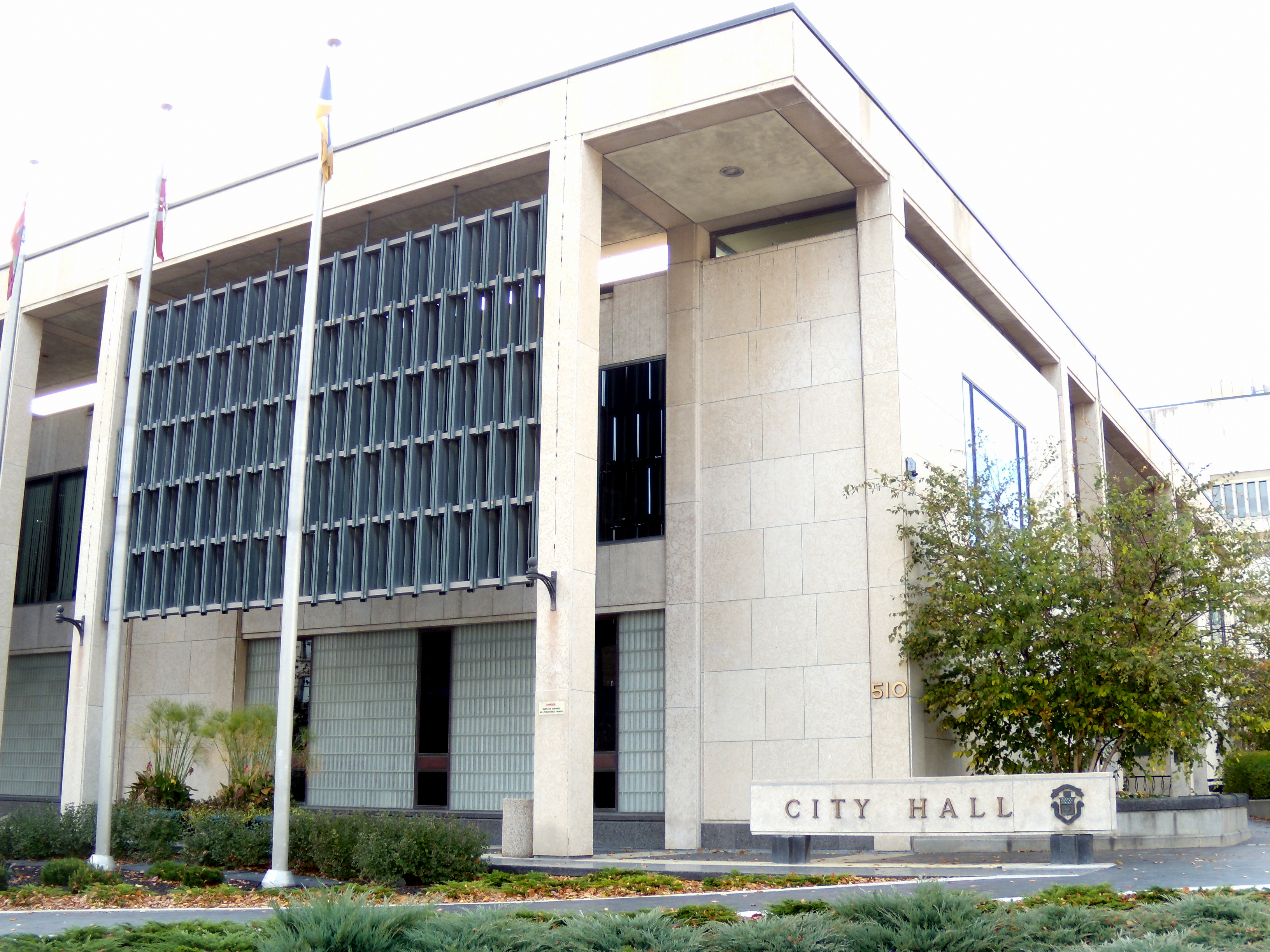
Winnipeg city council approved transferring more than $18 million [1] of leftover infrastructure funding into the city's rainy-day fund this week.
The move strengthens the municipality's financial cushion during a period of heightened concern regarding downtown safety and the accessibility of emergency services. By shifting unused capital funds into a liquid reserve, the city aims to increase its agility in responding to unforeseen crises.
Mayor Scott Gillingham and the council are now considering a policy shift that would lower the minimum reserve balance required for the fund [2]. This potential change would allow the city to access its savings more readily for operational needs without violating municipal financial bylaws.
The decision to top up the fund comes as officials address confusion surrounding service-access for residents [1]. The infrastructure funds were previously earmarked for capital projects but remained unspent, making them available for reallocation to the emergency reserve [3].
City officials have not yet finalized the new minimum balance threshold. The current review focuses on balancing long-term fiscal stability with the immediate need for flexible spending to improve public safety and urban infrastructure [2].
“Winnipeg city council approved transferring more than $18 million of leftover infrastructure funding into the city's rainy-day fund.”
This reallocation signifies a strategic pivot from long-term capital construction toward operational liquidity. By moving unspent infrastructure money into a rainy-day fund and potentially lowering the reserve floor, Winnipeg is prioritizing immediate crisis management and public safety over the rigid preservation of capital reserves.

