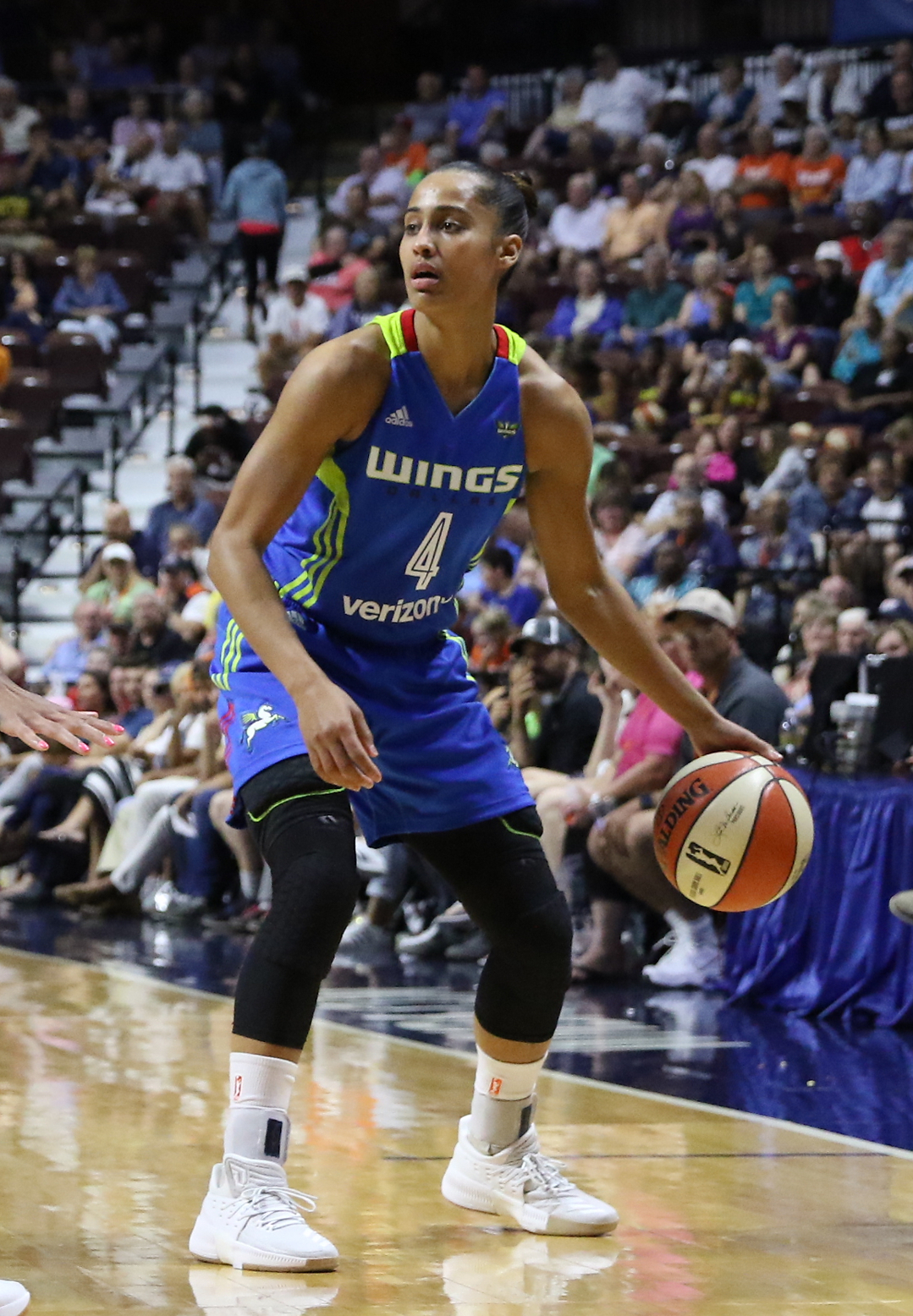
The WNBA is attempting to shift its focus back to basketball after years of incorporating political activism into its brand [1].
This pivot comes as the league faces increasing scrutiny from conservative voices and critics who argue that political involvement has detracted from the sport. The shift represents a potential change in how the league manages its public image and relationship with its fan base.
For several years, the WNBA made political activism a visible part of its product [1]. The league integrated various social and political causes into its marketing and operational strategies, positioning itself as a leader in athlete-led advocacy. This approach was a defining characteristic of the league's identity for a significant period.
However, the league is now distancing itself from that strategy [1]. The move follows a period of heightened criticism regarding the intersection of sports and politics. By prioritizing the game over social messaging, the WNBA seeks to minimize friction with a segment of its audience that opposes political content in professional sports.
League officials have not detailed a specific timeline for this transition, but the move suggests a strategic realignment. The effort to "stick to basketball" follows a pattern seen in other professional sports leagues attempting to balance social consciousness with broad commercial appeal.
This redirection occurs as the league continues to navigate its growth in the U.S. market. The decision to move away from explicit political branding indicates a response to the pressures of expanding its viewership, and maintaining a neutral environment for competition [1].
“The WNBA is attempting to shift its focus back to basketball after years of incorporating political activism into its brand.”
The WNBA's pivot reflects a broader tension in American professional sports between social advocacy and market expansion. By reducing the prominence of political activism, the league is likely attempting to broaden its appeal to a more diverse ideological audience and reduce external political friction that could impact sponsorships or viewership.


