
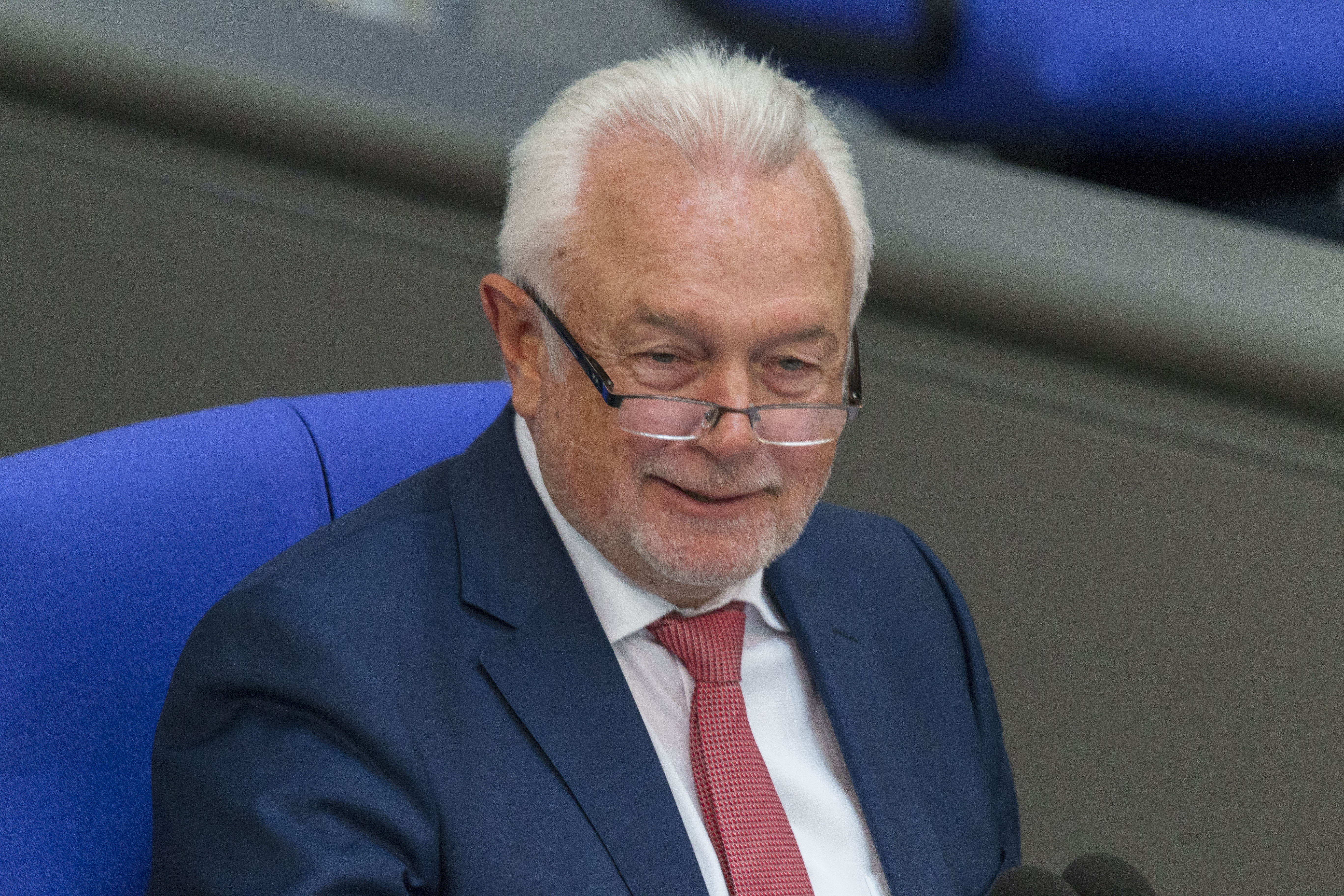
Wolfgang Kubicki has been elected as the chairman of the Free Democratic Party (FDP) [1, 2].
This leadership change follows an internal power struggle within the party. Kubicki now faces the challenge of defining the FDP's strategic direction regarding the "Brandmauer," the political firewall intended to isolate the far-right Alternative for Germany (AfD), while attempting to expand the party's voter base ahead of upcoming elections.
In an interview with Tagesthemen, Kubicki discussed the election result and his vision for the party's future [1]. He said there is a need for a clear strategy to attract voters, signaling a competitive approach toward other political factions. Kubicki said he wants to challenge the established order of the center-right, stating, "Ich will zum Albtraum von Friedrich Merz werden" [2].
The new chairman's approach involves navigating the tension between maintaining democratic safeguards and the pragmatic need to win back voters from the right. The debate over the "Brandmauer" remains a central point of contention within German politics, as parties weigh the risks of cooperation against the risks of further empowering the AfD [1].
Kubicki's victory marks a shift in the FDP's internal dynamics. By securing the chairmanship, he assumes control over the party's messaging and its role in potential coalition negotiations. His focus remains on positioning the FDP as a viable and attractive alternative for voters who feel alienated by current government policies [1, 2].
“Wolfgang Kubicki has been elected as the chairman of the Free Democratic Party (FDP).”
Kubicki's ascension to the FDP chairmanship suggests a move toward a more assertive and potentially confrontational style of leadership. By targeting the influence of CDU leader Friedrich Merz and addressing the AfD's growth, Kubicki is attempting to carve out a distinct space for the FDP in a fragmented political landscape. The outcome of this strategy will likely determine whether the FDP can maintain its relevance as a kingmaker in future coalition governments.


