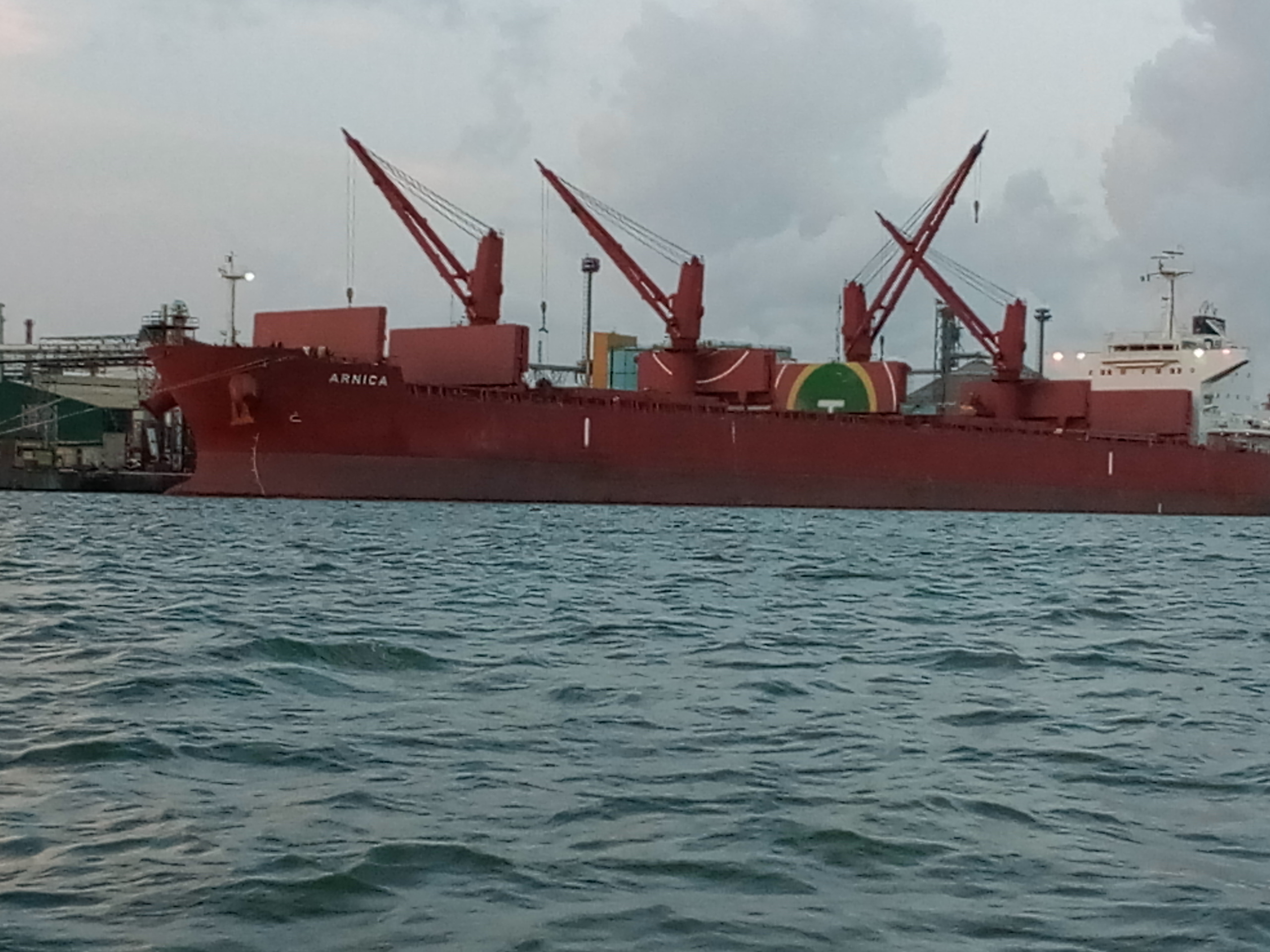
The World Bank has ranked Nigeria's Tin Can Island Port and Lagos Port Complex among the 20 most improved container ports worldwide [1].
This recognition signals a shift in regional logistics efficiency and suggests that infrastructure investments in Nigeria's primary maritime gateways are yielding measurable results. Improved port performance typically reduces the cost of doing business and accelerates the movement of goods across borders.
The rankings are based on the 2025 Container Port Performance Index, which was released in 2024 [1]. The index evaluates how efficiently ports handle containers, measuring the time ships spend in port and the speed of cargo movement. According to the report, the Apapa and Tin Can Island facilities have seen significant gains over the last five years [1].
Beyond the global rankings, the World Bank listed these facilities as some of the best-performing ports in Africa [2]. The Lagos Port Complex, also known as Apapa, and the Tin Can Island Port serve as the primary entry points for the majority of Nigeria's imports and exports. Their inclusion in the top 20 most-improved list highlights a trend of modernization within the Nigerian maritime sector [1].
While the index focuses on technical efficiency, the broader impact involves the reduction of bottlenecks that have historically plagued the Lagos port corridor. By increasing the speed of container processing, these ports can better accommodate the growing volume of trade entering the West African market. The World Bank's data emphasizes the progress made over a five-year trajectory, indicating a sustained effort toward operational optimization [1].
“Nigeria's Tin Can Island Port and Lagos Port Complex among the 20 most improved container ports worldwide”
The elevation of Nigeria's primary ports in the World Bank's index suggests a narrowing of the efficiency gap between West African maritime hubs and global standards. As the Lagos Port Complex and Tin Can Island Port improve their throughput speeds, Nigeria may become more attractive to international shipping lines, potentially lowering freight costs for consumers and increasing the country's competitiveness as a regional trade hub.


