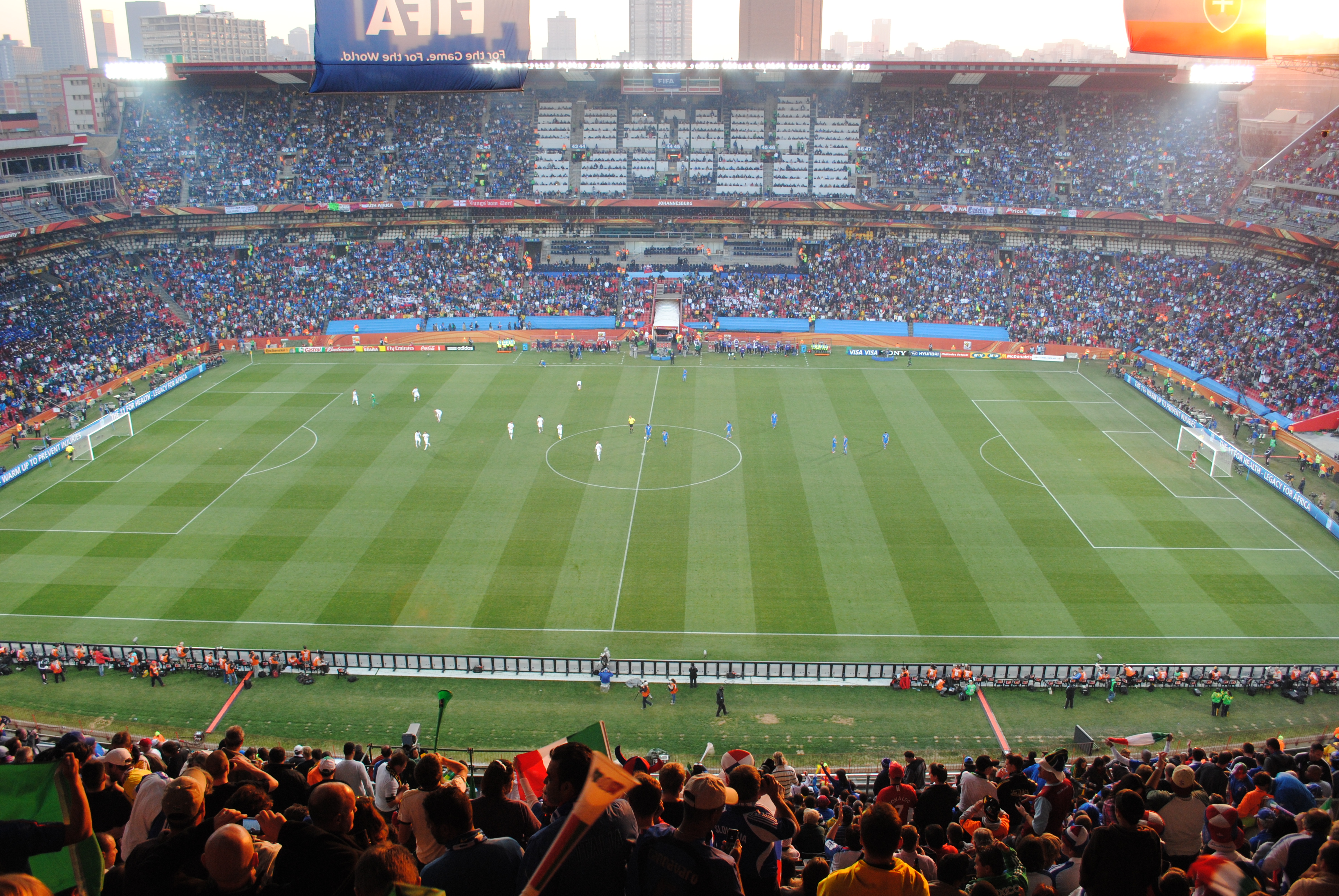
The 2026 FIFA World Cup group stage is generating a rapid stream of viral moments that analysts describe as a massive content farm [1].
This surge in digital engagement matters because it demonstrates how global sporting events now function as primary engines for social-media discourse and brand-marketing opportunities [1, 2]. The ability to monetize real-time viral trends allows publishers to capture attention at a scale rarely seen outside of major geopolitical events.
Podcast hosts Matt and Marianna said the tournament's structure fuels a continuous cycle of content generation [1]. This environment enables brands to insert themselves into the global conversation by leveraging the high-velocity nature of the group stage. The process transforms sporting matches into a platform for rapid-fire digital asset production [1, 2].
While social media dominates the immediate conversation, traditional search engines are seeing a different trend. Only five percent of soccer searches currently trigger AI-generated summaries [3]. This suggests that users are still relying on traditional search results, or direct social feeds, to navigate the chaos of the tournament's viral cycle.
Marketing experts said the event exposes whether a brand's digital presence is effective or merely loud [2]. The high stakes of the World Cup group stage create a litmus test for how companies handle real-time engagement. Because the content moves so quickly, brands that fail to adapt to the specific tone of the viral moment risk appearing out of touch with the audience [2].
“The 2026 FIFA World Cup group stage is generating a rapid stream of viral moments.”
The shift toward the 'content farm' model indicates that the value of a sporting event is no longer just in the broadcast rights, but in the fragmented, viral micro-moments that occur around it. As AI integration in search remains low for sports, the power remains with those who can curate and distribute authentic-feeling social content in real time.