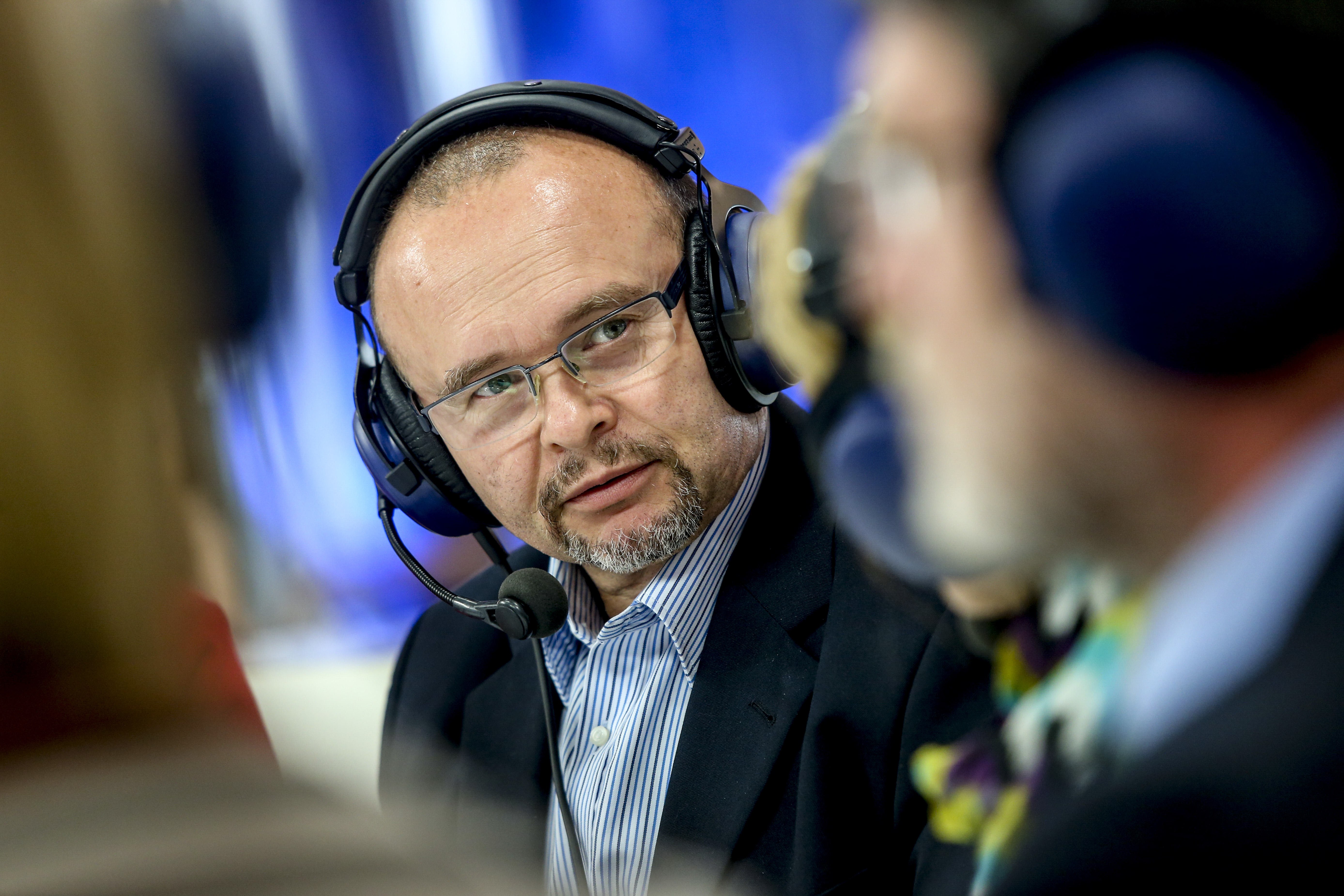
Miroslav Klose remains the all-time leading goal scorer in FIFA World Cup history with 16 goals [1].
This record serves as a benchmark for the sport's elite strikers as the 2026 tournament unfolds across Canada, Mexico, and the U.S. The pursuit of such historical milestones defines the legacy of players and the competitive spirit of the global game.
Klose's tally of 16 goals [1] places him at the top of a list that includes other legendary figures of the sport. Other highlighted top scorers in the history of the tournament include Lionel Messi, Cristiano Ronaldo, and Kylian Mbappé, alongside the historic contributions of Pelé [1, 2].
Historical data tracking these achievements spans from the inaugural tournament in 1930 through the current 2026 edition [2, 3]. The records reflect not only individual skill but the evolution of the game over nearly a century of international competition.
While the focus often remains on the total volume of goals, analysts also highlight the quality of specific strikes. Recent reviews have examined a wide array of memorable goals, ranging from those scored by Carlos Alberto and Diego Maradona to Dennis Bergkamp, to showcase the artistry of the sport [4].
As the 2026 tournament progresses, the international community continues to track which active players can challenge these established markers. The current edition provides a fresh opportunity for new scorers to enter the all-time rankings and challenge the dominance of previous eras [2, 5].
“Miroslav Klose remains the all-time leading goal scorer in FIFA World Cup history with 16 goals”
The persistence of Klose's record underscores the difficulty of maintaining high scoring efficiency across multiple World Cup cycles. As the 2026 tournament introduces more teams and matches, the statistical landscape may shift, but the current rankings emphasize the rare combination of longevity and clinical finishing required to lead the all-time list.