The risk of fans contracting Ebola at the 2026 FIFA World Cup is low, according to a global health academic.
This assessment comes as the tournament prepares to host millions of visitors across the U.S., Canada, and Mexico. While the medical risk to the general public remains minimal, the potential for stricter border controls could disrupt the movement of athletes and spectators.
Dr. Oliver Johnson, a global health academic at King's College London, said the risk of Ebola affecting fans at the World Cup is low, but heightened screening and travel restrictions could complicate logistics.
The statement was made on Friday, approximately 20 days [1] before the tournament is scheduled to open on June 8.
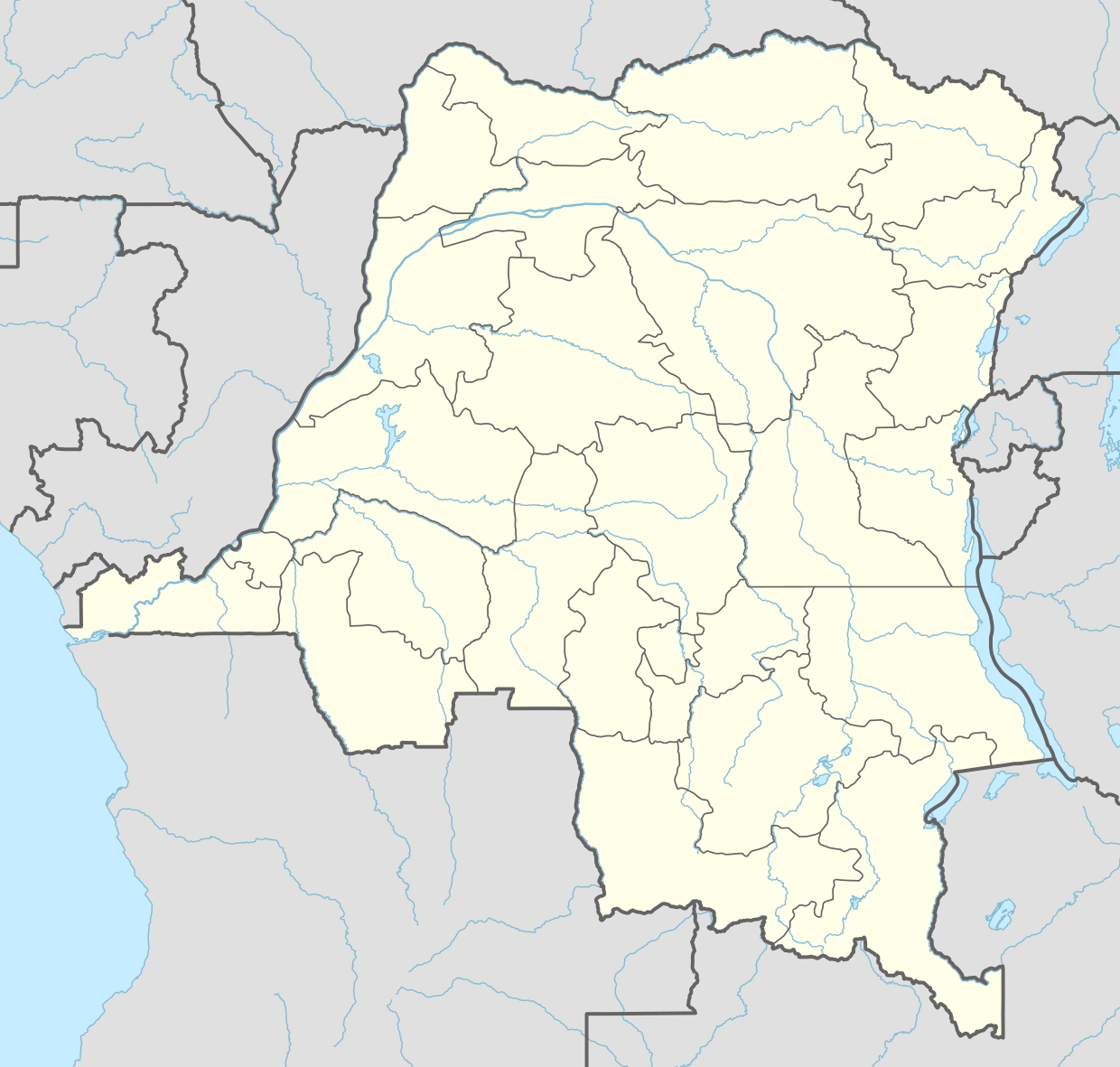
Concerns regarding the virus stem from an ongoing Ebola outbreak in the Democratic Republic of Congo. While some reports suggest the crisis could potentially upend the tournament or lead to its cancellation, health experts said the probability of widespread infection among fans is low.
Logistical hurdles remain a primary concern for organizers. Increased health screenings at ports of entry may slow the arrival of international travelers, a challenge for a multi-country event of this scale. Despite these hurdles, current health assessments indicate the event can proceed as planned.
Johnson's analysis focuses on the nature of the virus and the likelihood of transmission in a stadium environment. He said that while the risk is low, the administrative response to the outbreak is where the primary disruption may occur.
“The risk of Ebola affecting fans at the World Cup is low”
The tension between public health safety and the logistical demands of a mega-event like the World Cup often leads to conflicting narratives. While medical experts focus on the low biological probability of a viral outbreak among fans, the administrative reality of border closures and health screenings can create a 'functional' crisis that disrupts the tournament's operations regardless of the actual infection rate.


