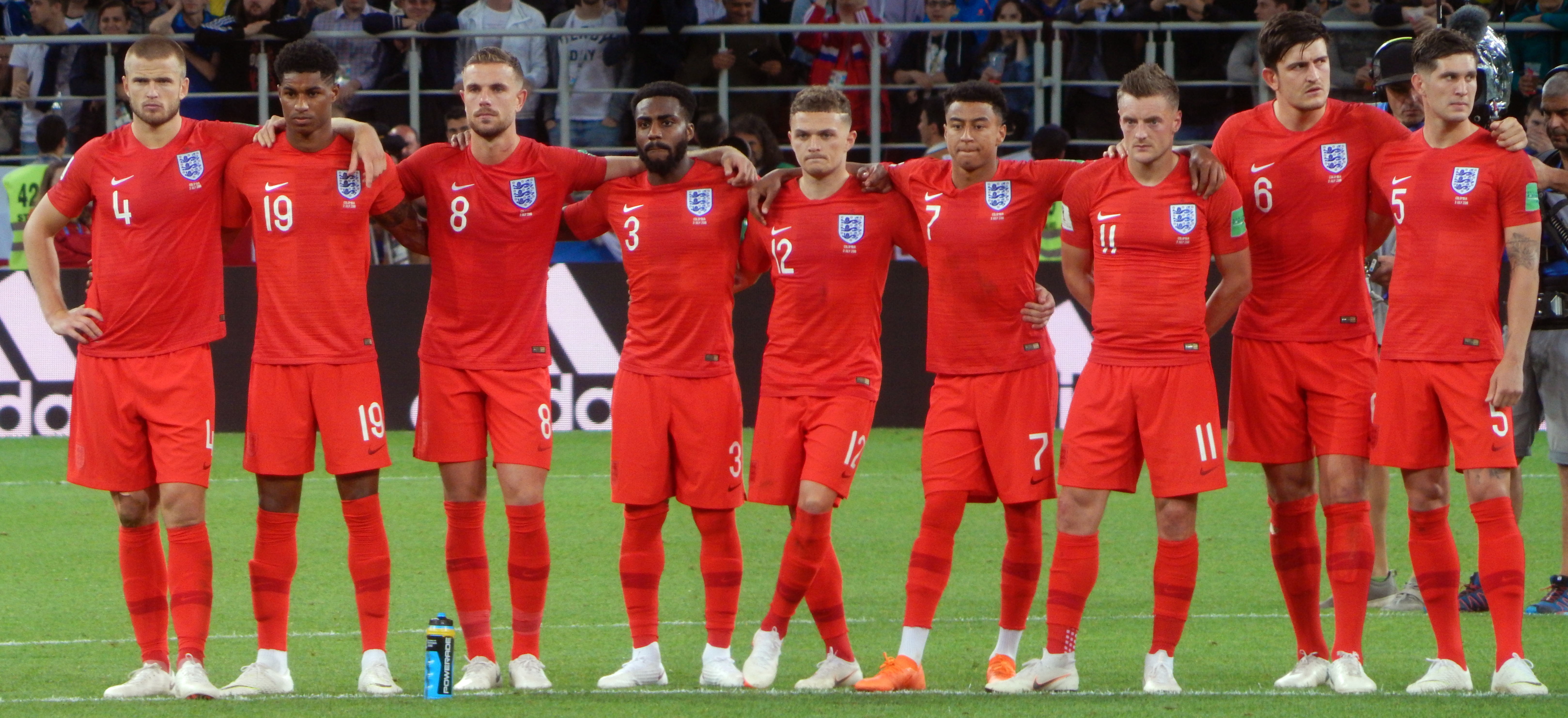
FIFA uses penalty shoot-outs to decide World Cup knockout matches that remain tied after regular and extra time.
These shoot-outs serve as the final arbiter in the tournament's most critical phase. Because the knockout stage requires a decisive winner to advance, this skill-based method ensures a result without further extending play.
Matches begin with 90 minutes of regular time, followed by 30 minutes of extra time if the score is level [1]. If the tie persists, the teams move to a penalty shoot-out on the pitch [1].
According to Yahoo Sports, each team takes five kicks from the spot [1]. The distance from the penalty spot to the goal line is 11 metres, or 12 yards [1]. If the score remains level after those 10 attempts, the shoot-out proceeds to sudden-death rounds [1].
Eligibility for these kicks is limited to the players on the field, meaning a maximum of 11 players may participate in the process [1]. This restriction forces managers to make strategic decisions regarding substitutions before the final whistle.
The pressure of these moments is significant. A penalty shoot-out can feel like a psychodrama, with every strike carrying the weight of a nation’s hopes, Yahoo Sports said [2].
This format transforms a team game into a series of individual confrontations between the kicker and the goalkeeper. While the technical requirements are simple, the mental burden of the 11-metre strike often determines which nation continues its quest for the trophy [1].
“Each team takes five kicks from the spot, and if the score is still level after those ten attempts the shoot‑out proceeds to sudden‑death rounds.”
The reliance on penalty shoot-outs in the World Cup knockout stage shifts the outcome of a match from collective tactical play to individual psychological resilience. By limiting the participants to those on the pitch, FIFA places a premium on a manager's ability to anticipate a tie and ensure the most composed finishers remain in the game.


