
WWE concluded the second-ever two-night SummerSlam event on Sunday, Aug. 2, 2026, at U.S. Bank Stadium in Minneapolis [1], [2].
The conclusion of this expanded format marks a significant shift in how the company handles its premier summer event, utilizing a multi-night structure to accommodate a larger volume of championship matches and complex storylines.
The main event featured Roman Reigns defending the World Heavyweight Championship against Seth Rollins [3]. Brian Mazique of Forbes said the encounter was one of the most personal title matches in recent memory [1]. The match served as the focal point for the second night of the event, emphasizing the long-standing rivalry between the two competitors.
Beyond the main event, the stadium hosted a variety of high-stakes matchups and returns. Kevin Owens returned to action, while other notable Superstars including Tiffany Stratton, Chelsea Green, and Charlotte Flair participated in the night's proceedings [1], [2]. These appearances contributed to a card that Yahoo Sports staff said was packed with championship matches, emotional moments, and major storyline developments [2].
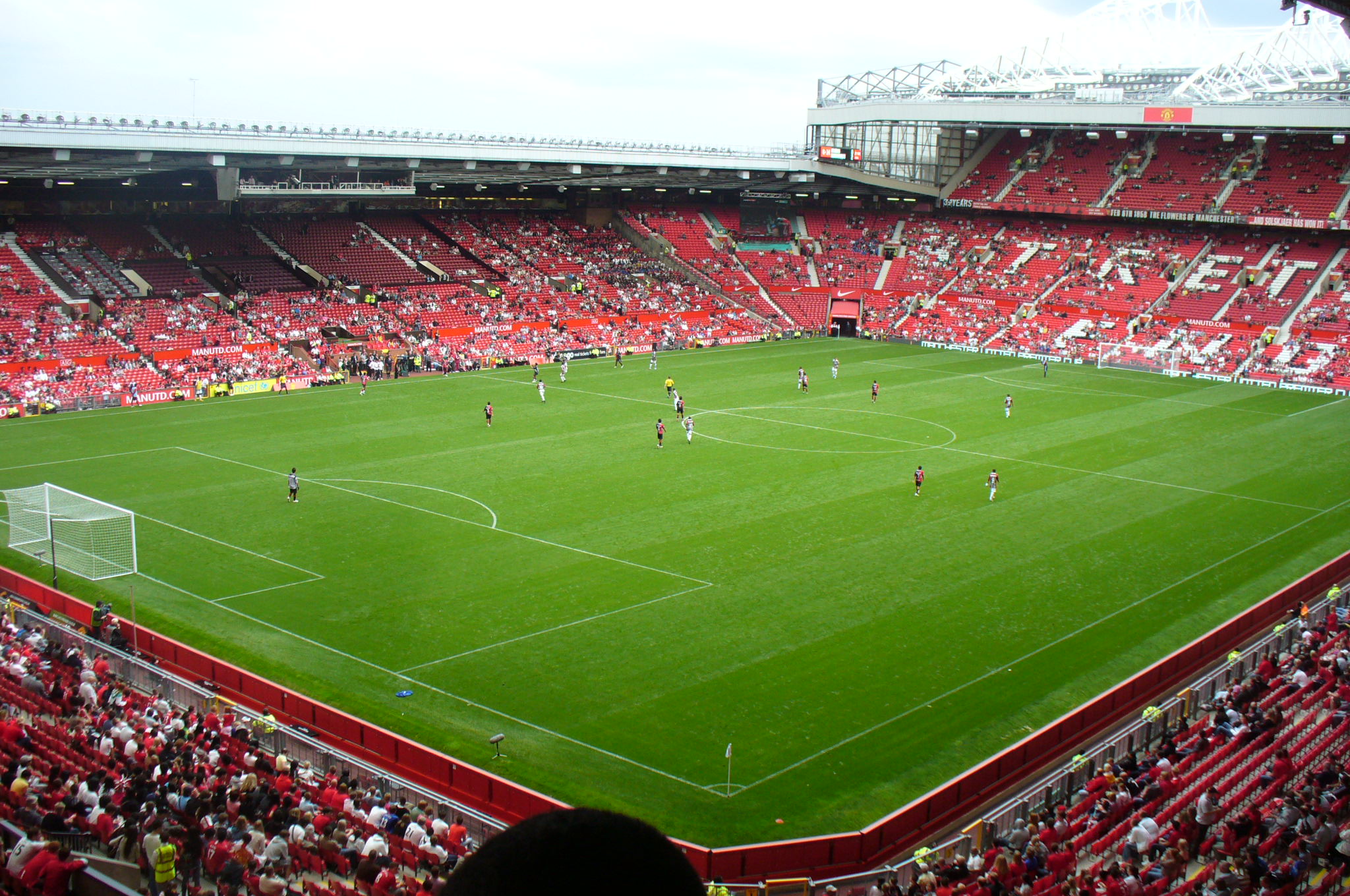
The venue, U.S. Bank Stadium, provided the backdrop for the final results of the weekend [1], [2]. By splitting the event across two nights, WWE was able to present a denser schedule of athletics and narrative progression than a traditional single-night show allows.
This iteration of SummerSlam represents the second time the event has been held over two nights [2]. The move to a multi-day format allows the company to maximize viewership and ticket sales while providing more breathing room for individual match storytelling.
“The second-ever two-night SummerSlam concluded from U.S. Bank Stadium in Minneapolis”
The adoption of a two-night format for SummerSlam suggests WWE is moving toward a 'festival' model for its major events, similar to the structure of WrestleMania. By expanding the schedule, the company can feature a broader range of talent and more detailed storytelling without rushing the main event, potentially increasing the commercial value of the event through additional ticket sales and broadcast windows.

'%2F%3E%0A%20%20%20%20%3Crect%20width%3D'1600'%20height%3D'900'%20fill%3D'url(%23v)'%2F%3E%0A%20%20%20%20%3Cg%20opacity%3D'0.08'%20fill%3D'%23ffffff'%3E%0A%20%20%20%20%20%20%3Ccircle%20cx%3D'1420'%20cy%3D'180'%20r%3D'220'%2F%3E%0A%20%20%20%20%20%20%3Ccircle%20cx%3D'1500'%20cy%3D'760'%20r%3D'120'%2F%3E%0A%20%20%20%20%3C%2Fg%3E%0A%20%20%20%20%3Cline%20x1%3D'80'%20y1%3D'172'%20x2%3D'220'%20y2%3D'172'%20stroke%3D'%23ffffff'%20stroke-width%3D'3'%20stroke-opacity%3D'0.6'%2F%3E%0A%20%20%20%20%3Ctext%20x%3D'80'%20y%3D'140'%20font-family%3D'Inter%2C%20-apple-system%2C%20Helvetica%2C%20sans-serif'%20font-weight%3D'700'%20font-size%3D'28'%20fill%3D'%23ffffff'%20letter-spacing%3D'6'%3EHANNA%20%C2%B7%20NEWS%3C%2Ftext%3E%0A%20%20%20%20%3Ctext%20x%3D'80'%20y%3D'230'%20font-family%3D'Inter%2C%20-apple-system%2C%20Helvetica%2C%20sans-serif'%20font-weight%3D'600'%20font-size%3D'40'%20fill%3D'%23ffffffb3'%20letter-spacing%3D'4'%3ESPORTS%3C%2Ftext%3E%0A%20%20%20%20%3Ctext%20x%3D'80'%20y%3D'694'%20font-family%3D'Playfair%20Display%2C%20Georgia%2C%20serif'%20font-weight%3D'800'%20font-size%3D'110'%20fill%3D'%23ffffff'%20letter-spacing%3D'-1'%3ERoman%20Reigns%20Defeats%20Seth%3C%2Ftext%3E%3Ctext%20x%3D'80'%20y%3D'820'%20font-family%3D'Playfair%20Display%2C%20Georgia%2C%20serif'%20font-weight%3D'800'%20font-size%3D'110'%20fill%3D'%23ffffff'%20letter-spacing%3D'-1'%3ERollins%20at%20SummerSlam%202026%3C%2Ftext%3E%0A%20%20%20%20%3Ctext%20x%3D'80'%20y%3D'870'%20font-family%3D'Inter%2C%20-apple-system%2C%20Helvetica%2C%20sans-serif'%20font-weight%3D'500'%20font-size%3D'22'%20fill%3D'%23ffffff66'%20letter-spacing%3D'2'%3Enews.hanna-ai.com%3C%2Ftext%3E%0A%20%20%3C%2Fsvg%3E)