
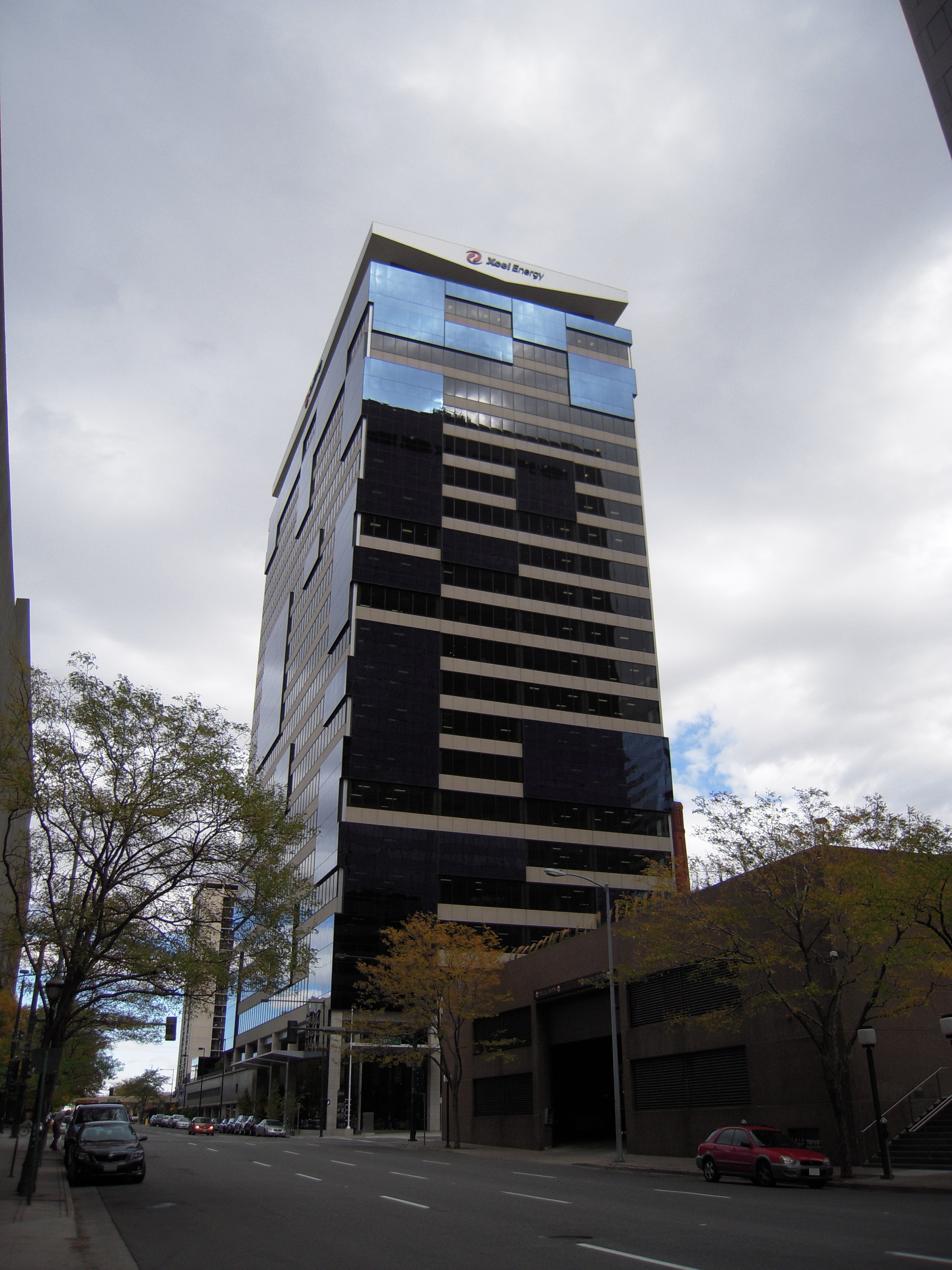
Xcel Energy is investing in wind and solar power to create a more modern and sustainable energy grid, CEO Bob Frenzel said Wednesday.
The shift toward a more resilient infrastructure comes as geopolitical instability affects global energy markets. By diversifying energy sources, the company aims to reduce vulnerability to price shocks and supply disruptions associated with traditional fossil fuels.
During an interview with Bloomberg Washington Correspondent Tyler Kendall, Frenzel said the company's strategy is to modernize its operations. He said the firm is investing across a wide range of energy sources, including wind and solar, to build a more modern, more resilient, and more sustainable grid of the future [1].
Frenzel also addressed the current state of the energy market, specifically citing the impact of the war between the United States and Iran [1]. He said that while oil prices have risen due to the conflict, the price of natural gas has seen little fluctuation [1].
This stability in natural gas prices provides a temporary buffer, but the company continues to prioritize the transition to renewable sources to ensure long-term sustainability. The modernization efforts are intended to create a grid capable of handling shifting demand and integrating a higher percentage of clean energy [1].
Frenzel's comments highlight the intersection of national security and energy policy. As the U.S. navigates the economic pressures of an active conflict, the push for energy independence through domestic renewables becomes a central component of utility infrastructure planning [1].
““We’re investing across a wide range of energy sources, including wind and solar, to build a more modern, more resilient, more sustainable grid of the future.””
The strategic pivot toward renewables by a major utility like Xcel Energy underscores a broader trend of decoupling critical infrastructure from volatile global oil markets. By emphasizing grid resilience during a U.S.-Iran conflict, the company is treating sustainability not just as an environmental goal, but as a matter of national energy security and price stability.


