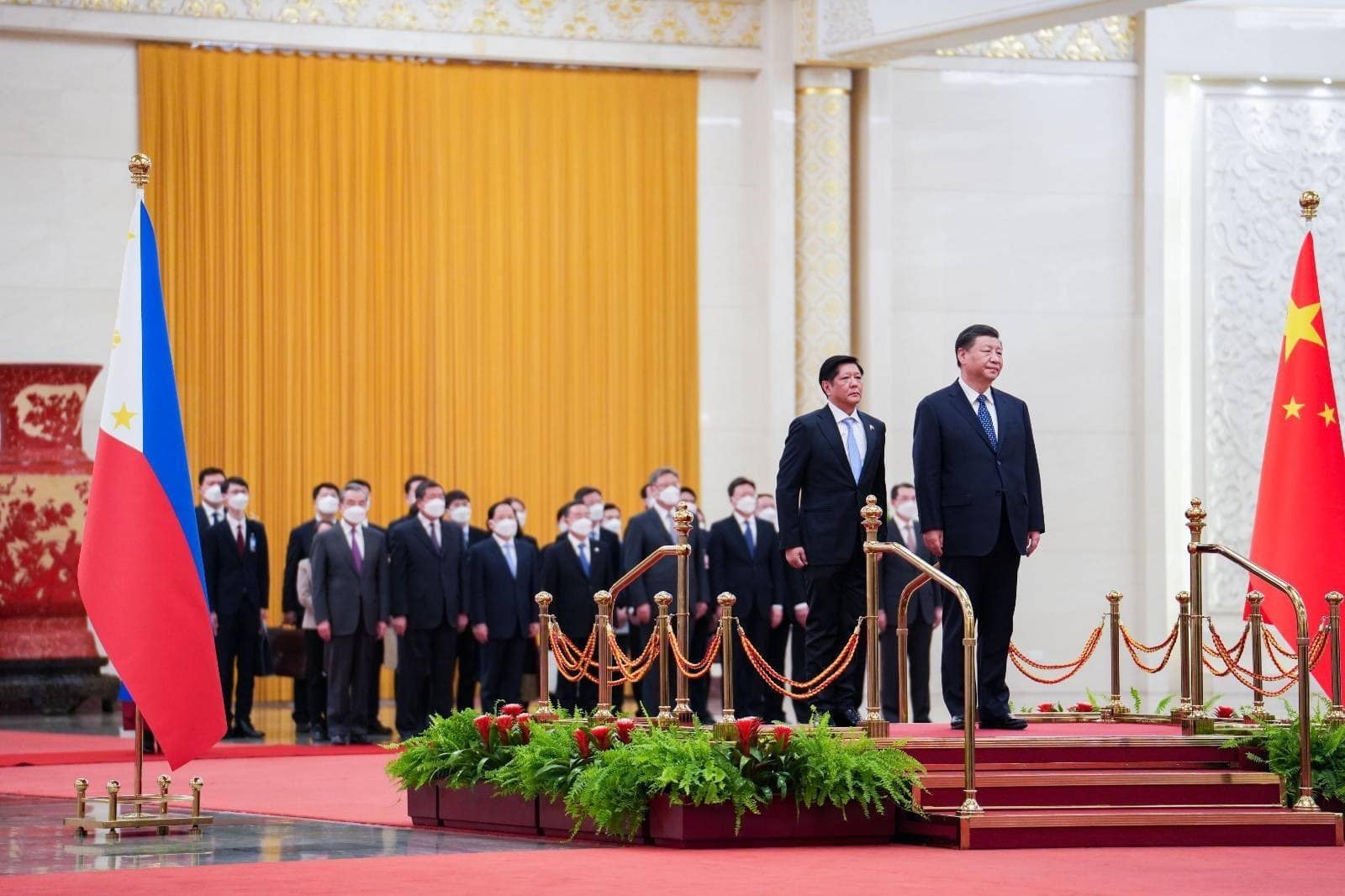
Chinese President Xi Jinping called for a just and equitable global artificial intelligence governance system on July 17, 2026 [1].
The proposal seeks to shift the current trajectory of AI development away from the control of a few powerful nations. By advocating for a multilateral framework, China aims to position itself as a primary partner for developing countries seeking to build their own technological infrastructure.
Xi said that AI should not be dominated by one country [1]. This statement comes as the global race for AI supremacy intensifies, with the U.S. and China competing for leadership in large language models and semiconductor technology. The Chinese leader said there is a need for a system that prevents any single nation from exercising total control over the technology's evolution and application [1].
As part of this vision, China is positioning itself as a strategic ally to the Global South. Xi said China would support AI capacity building in these regions [1]. This approach focuses on providing the tools and knowledge necessary for developing nations to implement AI within their own borders, rather than relying on foreign software and hardware platforms.
The call for a new order suggests a desire to create an alternative to Western-led AI standards. By promoting a governance system based on equity, Beijing intends to broaden its diplomatic influence and create a coalition of nations that share its views on digital sovereignty [1].
While some reports suggest these remarks were part of a broader vision for a new global order, others focus specifically on the technical governance of artificial intelligence [1]. The push for a shared governance model reflects a strategy to ensure that the benefits of AI are distributed across a wider array of nations, reducing the gap between the technological elite and the rest of the world.
“AI should not be dominated by one country”
Xi's push for a 'just and equitable' AI system is a geopolitical move to challenge U.S. technological hegemony. By framing AI access as a matter of equity for the Global South, China is attempting to build a bloc of allies that would support Chinese technical standards over those established by the U.S. and its allies, effectively turning AI governance into a tool for diplomatic expansion.


