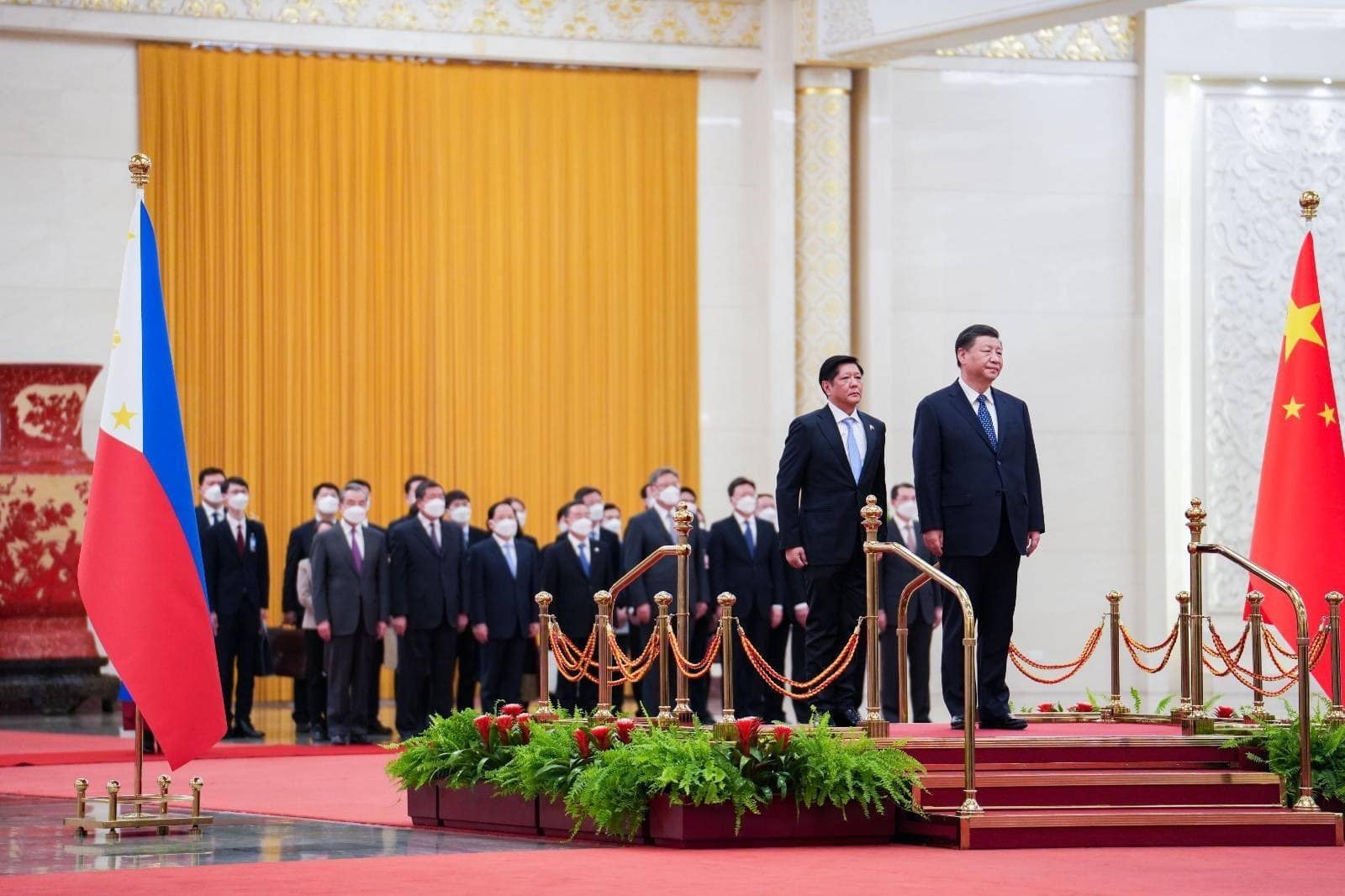
President Xi Jinping called for greater openness and open-source development in artificial intelligence during a speech in Shanghai on Thursday [1, 2, 3].
This shift in rhetoric comes as China seeks to position itself as a leader in global AI governance while navigating an intense tech rivalry with the U.S. [1, 2, 3]. By promoting a collaborative model, Beijing aims to share the benefits of AI and foster international partnerships [1, 2, 3].
Xi said that the development of artificial intelligence systems should be a “symphony of global collaboration” [1]. He said a strategy centered on “open-source, openness, collaboration, and sharing” was emphasized [2].
The push for openness follows a period of significant domestic growth. Reports indicate that China’s AI and chip technologies reached new heights in 2025 [4]. This technological foundation provides the basis for the current push toward open-source leadership.
By championing open-source AI, China may attempt to counter U.S. restrictions on high-end hardware and software. An open-source approach allows for more rapid iteration and widespread adoption of Chinese-developed standards across the global south [1, 3].
Xi's comments suggest a desire to move away from isolated development silos, a move that could influence how emerging economies integrate AI into their infrastructure [1, 2].
“development of artificial intelligence systems should be a “symphony of global collaboration.””
Xi Jinping's pivot toward open-source AI is a strategic attempt to break the U.S. monopoly on AI standards. By framing AI as a global public good rather than a proprietary weapon, China can attract international developers and reduce the impact of U.S. export controls on semiconductors and advanced software.

