Chinese President Xi Jinping asked the U.S. President if the two powers could move beyond the "Thucydides Trap" during a meeting in Beijing.
The exchange highlights China's desire to redefine its relationship with the U.S. as an equal partner in the global order rather than a challenger. By addressing the historical pattern of a dominant power confronting a rising one, Xi sought to emphasize the importance of maintaining peace.
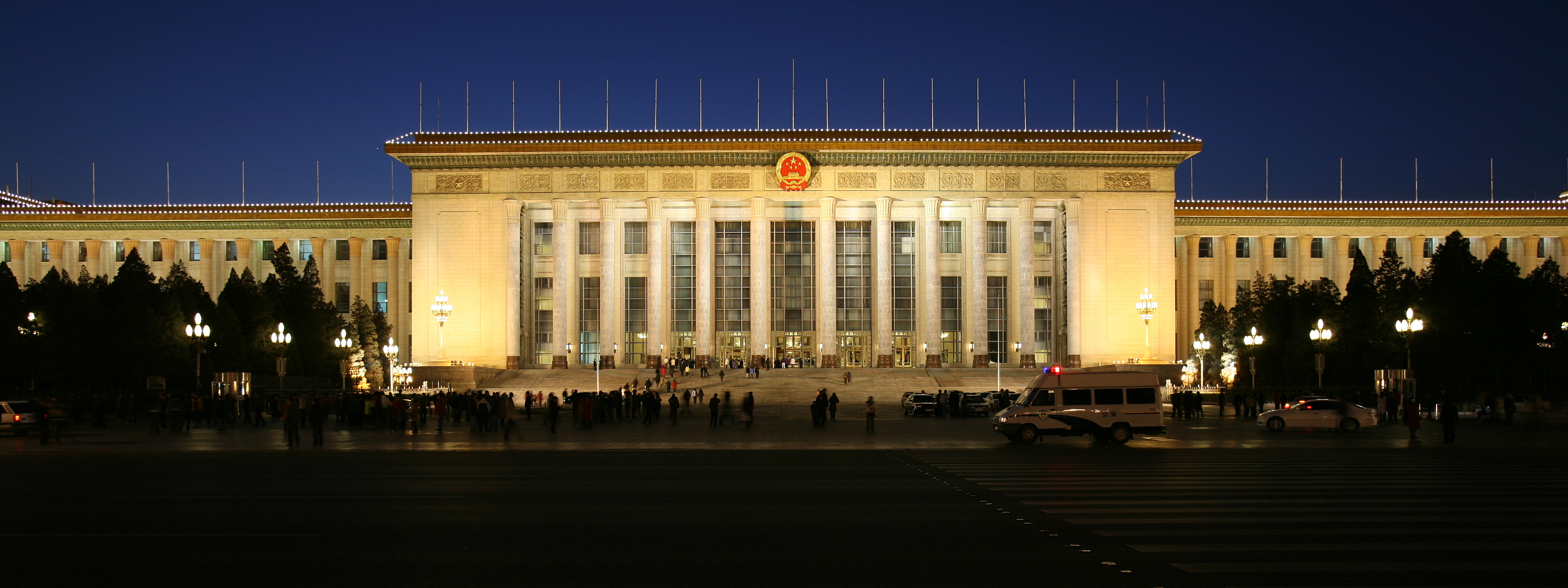
The meeting took place at the Great Hall of the People [1]. During the discussions, Xi raised the concept of the Thucydides Trap and questioned whether the two nations could establish a new paradigm for great-power relations [1].
Economic shifts have played a central role in the evolving tension between the two nations. In 2021, China's GDP reached 76% of the United States' GDP [2]. However, more recent data indicates that China's GDP currently stands at approximately 67% to 68% of the U.S. total [2].
Xi used the summit to assert that China is seeking a stable framework for cooperation [1]. The proposal to move beyond the Thucydides Trap suggests a strategy to avoid the inevitable conflict that often occurs when a rising power threatens to displace an existing hegemon.
"Can the two countries, China and the US, overcome the so-called 'Thucydides Trap' and open a new paradigm for great-power relations?" Xi said [1].
“"Can the two countries, China and the US, overcome the so-called 'Thucydides Trap' and open a new paradigm for great-power relations?"”
The invocation of the Thucydides Trap is a calculated diplomatic move by Beijing to frame the current US-China tension as a systemic historical cycle rather than a result of specific policy failures. By suggesting a 'new paradigm,' Xi is signaling that China will not accept a subordinate role in the international system, while simultaneously offering a theoretical path to avoid direct military conflict.


