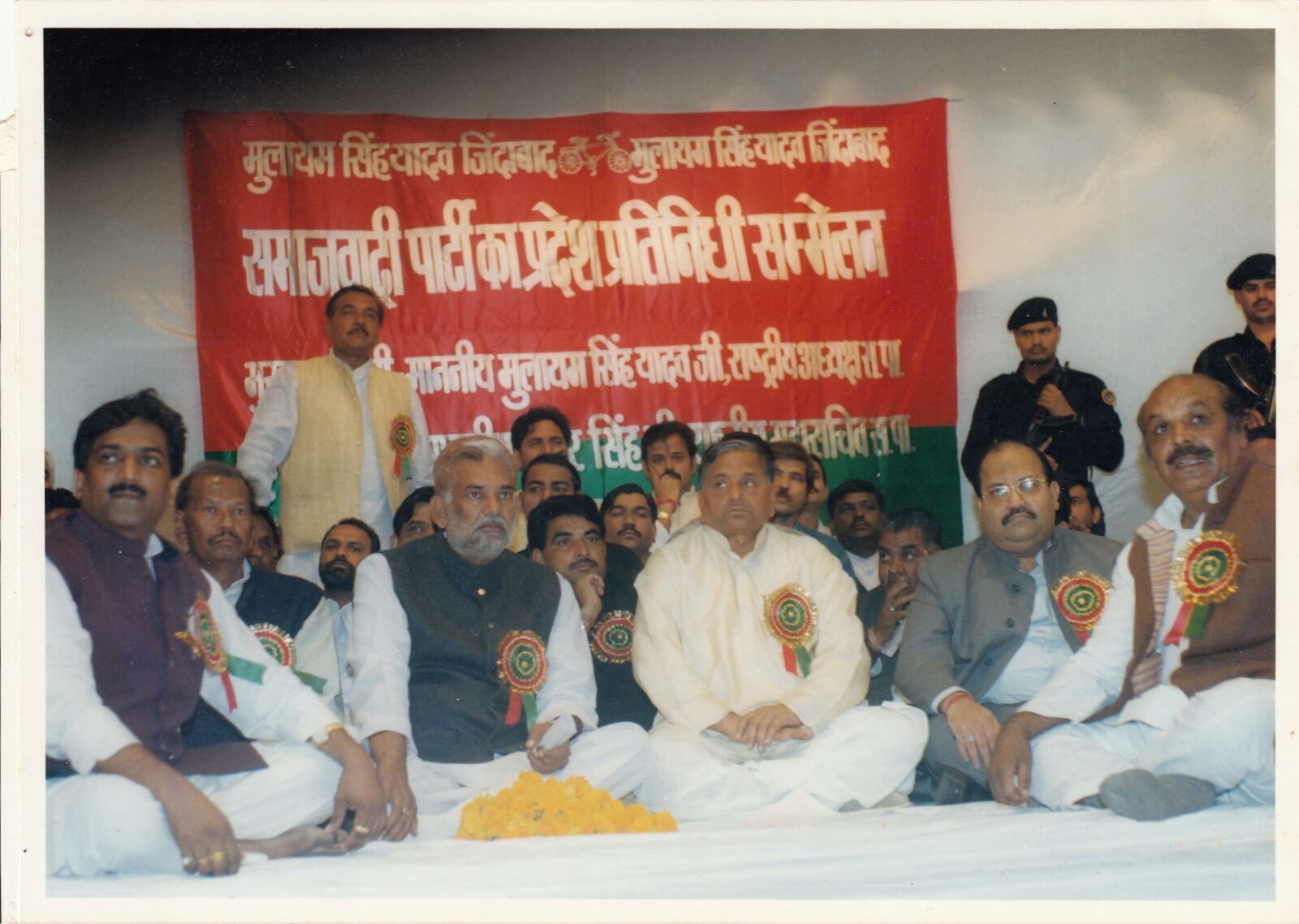
Uttar Pradesh Chief Minister Yogi Adityanath accused the Samajwadi Party and Congress of hypocrisy regarding their devotion to Lord Ram on June 30, 2024 [1].
The remarks highlight the deep religious and political fractures in India's electoral landscape, where the Ram temple remains a central point of contention between the ruling party and the opposition.
Adityanath delivered the speech during a rally in Rampur, where he also laid foundation stones for development projects valued at ₹690 crore [1]. He targeted the opposition for what he described as an opportunistic shift in their public stances toward religious devotees.
"Those who ordered lathi‑charges and fired bullets at Ram bhakts for chanting 'Jai Shri Ram' are now pretending to advocate for 'Ram Bhakti'," Adityanath said [2].
The Chief Minister criticized the Congress party for its historical relationship with Hindu deities. He said the Congress had earlier distanced itself from Lord Ram and Lord Krishna, but now they are invoking his name for votes [2].
Adityanath alleged that the Samajwadi Party and Congress are trying to ride the Ram wave to win elections, after once attacking Ram devotees [2]. The criticism follows years of legal and social conflict surrounding the construction of the Ram temple, a project closely associated with the current administration's identity.
By linking the opposition's current rhetoric to past instances of police force against protesters, Adityanath sought to frame the opposition's religious appeals as political strategy rather than genuine faith. The event combined these political attacks with the unveiling of infrastructure investments intended to signal regional growth [1].
“"Those who ordered lathi‑charges and fired bullets at Ram bhakts... are now pretending to advocate for 'Ram Bhakti'."”
This rhetoric underscores a strategy by the Uttar Pradesh government to monopolize the identity of 'Ram Bhakti' as a political asset. By framing the opposition's shift toward religious inclusivity as opportunistic, Adityanath aims to delegitimize their electoral appeals to Hindu voters while simultaneously tying the government's image to both cultural nationalism and material development.


