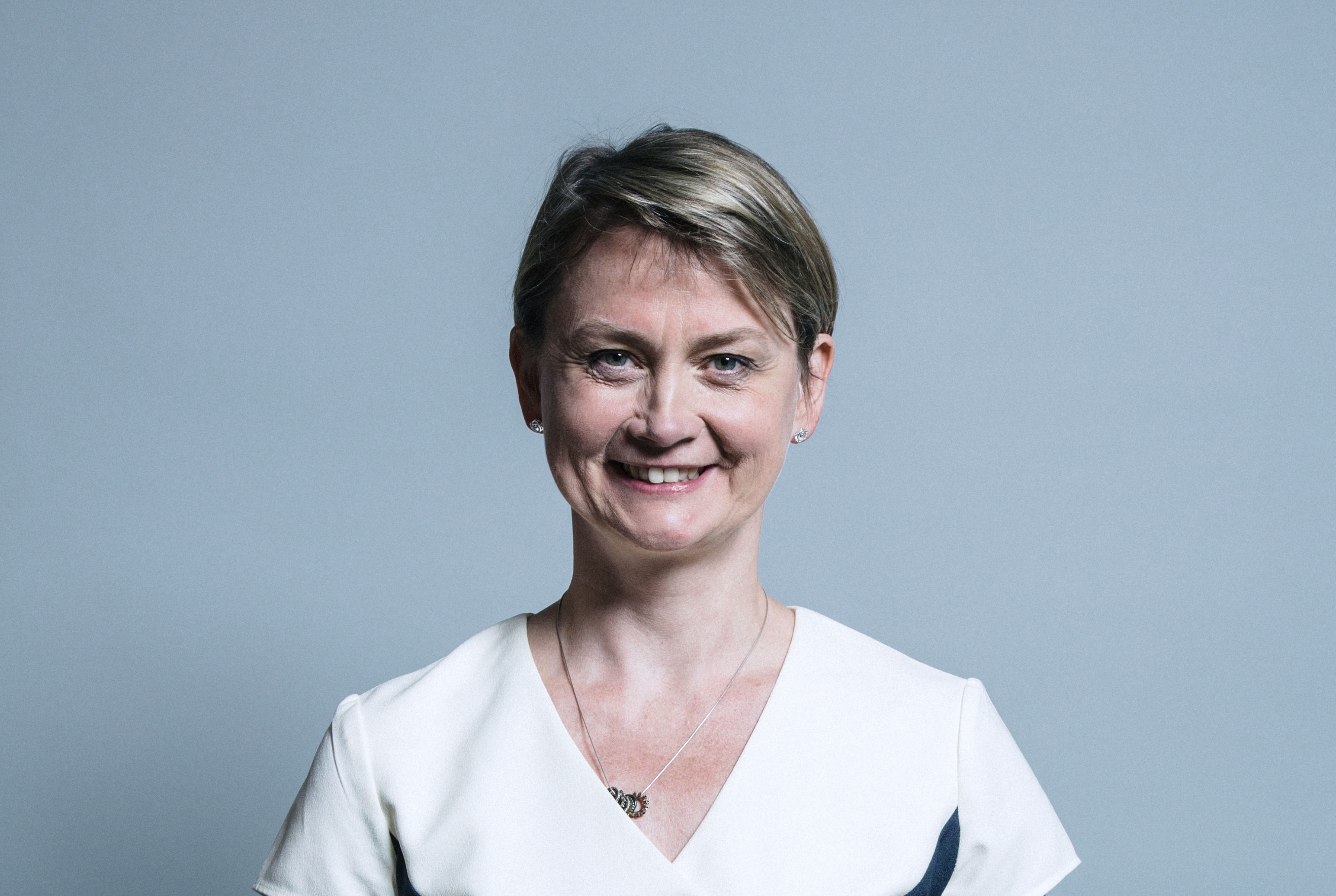
Foreign Secretary Yvette Cooper said artificial intelligence poses a ‘Hiroshima’-style risk to humanity if global rules are not established [1].
The warning highlights the urgency of creating international regulatory frameworks to prevent AI from becoming a catastrophic risk. Without a unified global approach, the rapid development of the technology could outpace the ability of governments to ensure safety and security.
Speaking to The Guardian on July 5, 2026, Cooper said that the issue will dominate foreign policy over the next two years [1]. She said that the scale of the potential threat requires a level of cooperation similar to that seen in nuclear non-proliferation efforts.
Cooper called for countries, including the U.S. and China, to agree international rules for AI [1]. The Foreign Secretary said that a fragmented approach to regulation would be insufficient to manage a technology that transcends national borders.
Establishing these rules would involve creating shared standards for the development, and deployment, of high-risk AI systems. Cooper said such agreements are necessary to prevent the technology from causing existential harm to the global population [1].
The push for global governance comes as AI capabilities continue to evolve rapidly. By focusing on a multilateral agreement, the UK aims to lead a coalition of nations toward a structured safety protocol that balances innovation with human survival [1].
“"AI poses a ‘Hiroshima’-style risk to humanity..."”
The comparison of AI to the atomic bombings of Hiroshima and Nagasaki signals a shift in diplomatic rhetoric, framing AI safety not as a technical hurdle but as an existential security priority. By explicitly naming the US and China, the UK is acknowledging that no regulatory framework can be effective without the participation of the world's two primary AI superpowers, effectively elevating AI governance to the level of Cold War-era nuclear diplomacy.


