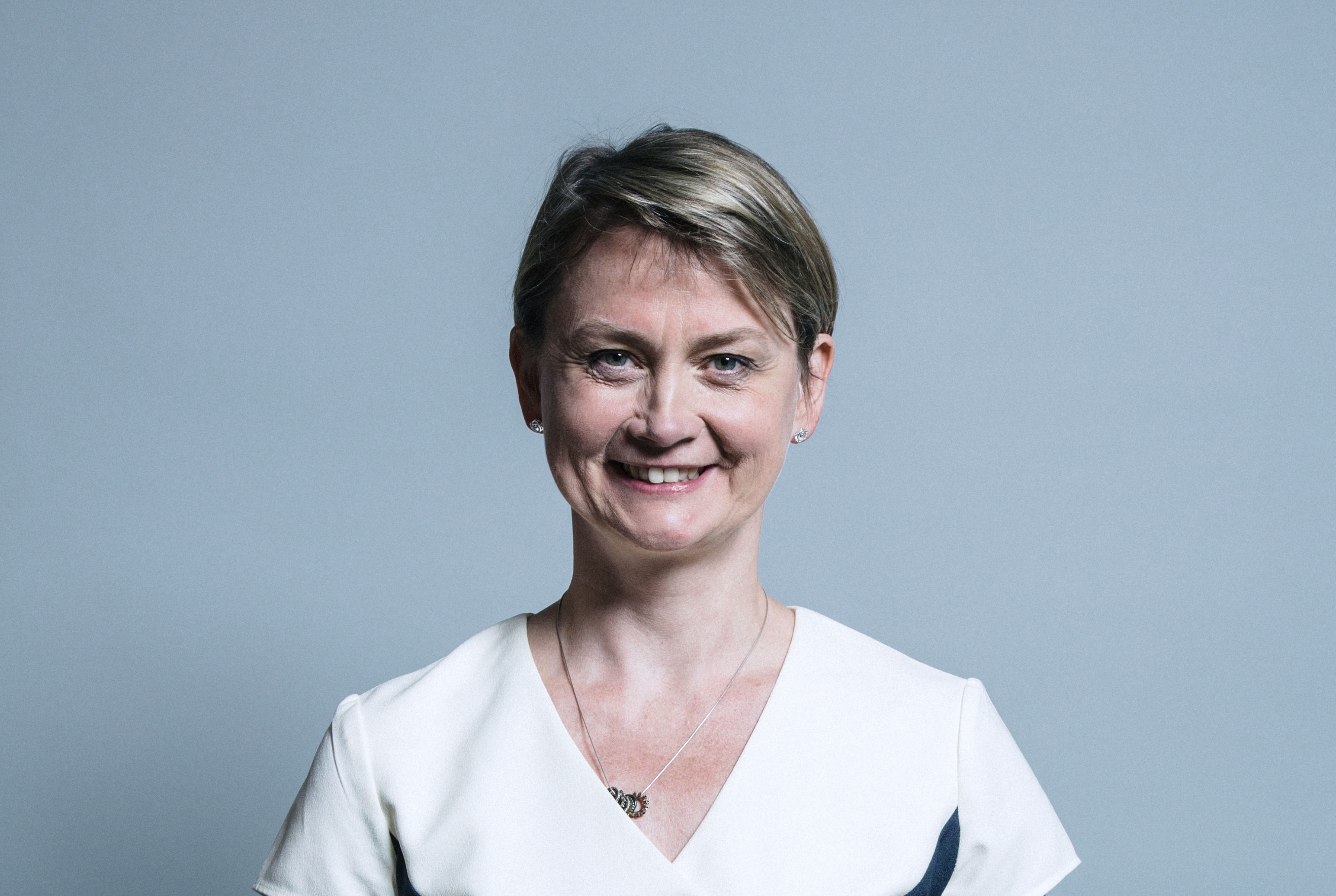
British Foreign Secretary Yvette Cooper appeared before the UK Parliament's Foreign Affairs Committee to answer questions regarding her department's work [1].
The session served as a critical oversight mechanism to scrutinize the Foreign Office's handling of high-pressure domestic and international issues [2]. This scrutiny comes as the government faces pressure over systemic failures in public infrastructure and border management.
Cooper testified in the Foreign Affairs Committee chamber at the House of Commons in London [1]. The questioning focused on the department's strategic approach to immigration and the ongoing crisis within the prison system [2]. These issues have become central points of contention for the current administration as they attempt to balance international diplomatic obligations with internal security and social pressures.
Members of the committee sought clarity on how the Foreign Office coordinates with other government branches to mitigate the impact of the prison crisis [2]. The dialogue emphasized the intersection of foreign policy and domestic stability, a relationship that often dictates the UK's leverage on the global stage.
Throughout the proceedings, the committee examined the specific policies implemented by the Foreign Office to address migration flows [1]. The session aimed to determine whether current strategies are sufficient to handle the volume of immigration or if a fundamental shift in policy is required to prevent further systemic collapse [2].
Cooper responded to queries regarding the efficiency of her department's operations and the transparency of its reporting to Parliament [1]. The session concluded with a series of inquiries into the long-term viability of the government's current foreign and domestic alignment [2].
“Foreign Secretary Yvette Cooper appeared before the UK Parliament's Foreign Affairs Committee”
This parliamentary appearance highlights the increasing overlap between the UK's foreign policy and its internal crises. By questioning the Foreign Secretary on immigration and prison capacity, the committee is signaling that these are no longer merely domestic issues but are factors that affect the UK's international standing and diplomatic efficacy.


