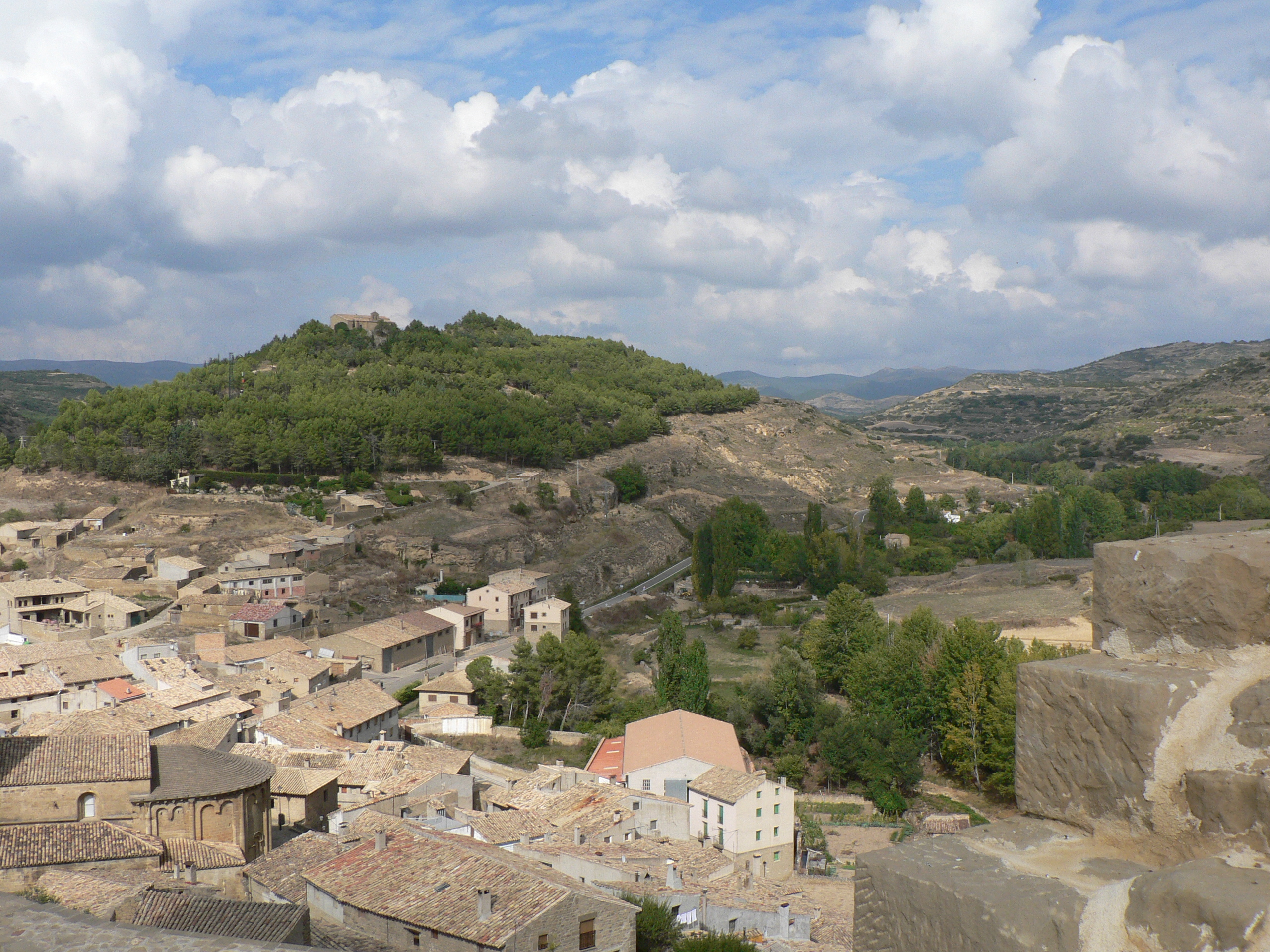
A wildfire in the Cinco Villas area of Zaragoza has burned approximately 12,000 hectares [1], marking the largest fire in Spain this year.
The scale of the blaze highlights the increasing vulnerability of the Iberian Peninsula to extreme summer weather, threatening rural infrastructure and biodiversity.
Emergency services ordered the evacuation of six villages [2] as the flames spread through the province of Zaragoza in the autonomous community of Aragon. The fire's rapid progression is attributed to a combination of high temperatures, strong winds, and low humidity [5]. Officials said that abundant vegetation following a rainy spring provided significant fuel for the fire [5].
While the Cinco Villas blaze is the primary focus, other regions are also battling wildfires. In the province of Ciudad Real, a separate blaze has burned 800 hectares [4]. Meanwhile, fires in Guadalajara and Madrid have resulted in more than 2,000 people being confined [3].
Firefighters continue to work to contain the Zaragoza perimeter to prevent further evacuations. The region of Aragon remains on high alert as weather conditions continue to favor the spread of wildfires across the countryside.
“A wildfire in the Cinco Villas area of Zaragoza has burned approximately 12,000 hectares”
The convergence of a wet spring and a hot, dry summer has created a 'powder keg' effect in Spain. This pattern suggests that previous rainfall does not necessarily mitigate fire risk but can instead increase the volume of combustible biomass, making subsequent wildfires more intense and harder to control.


