
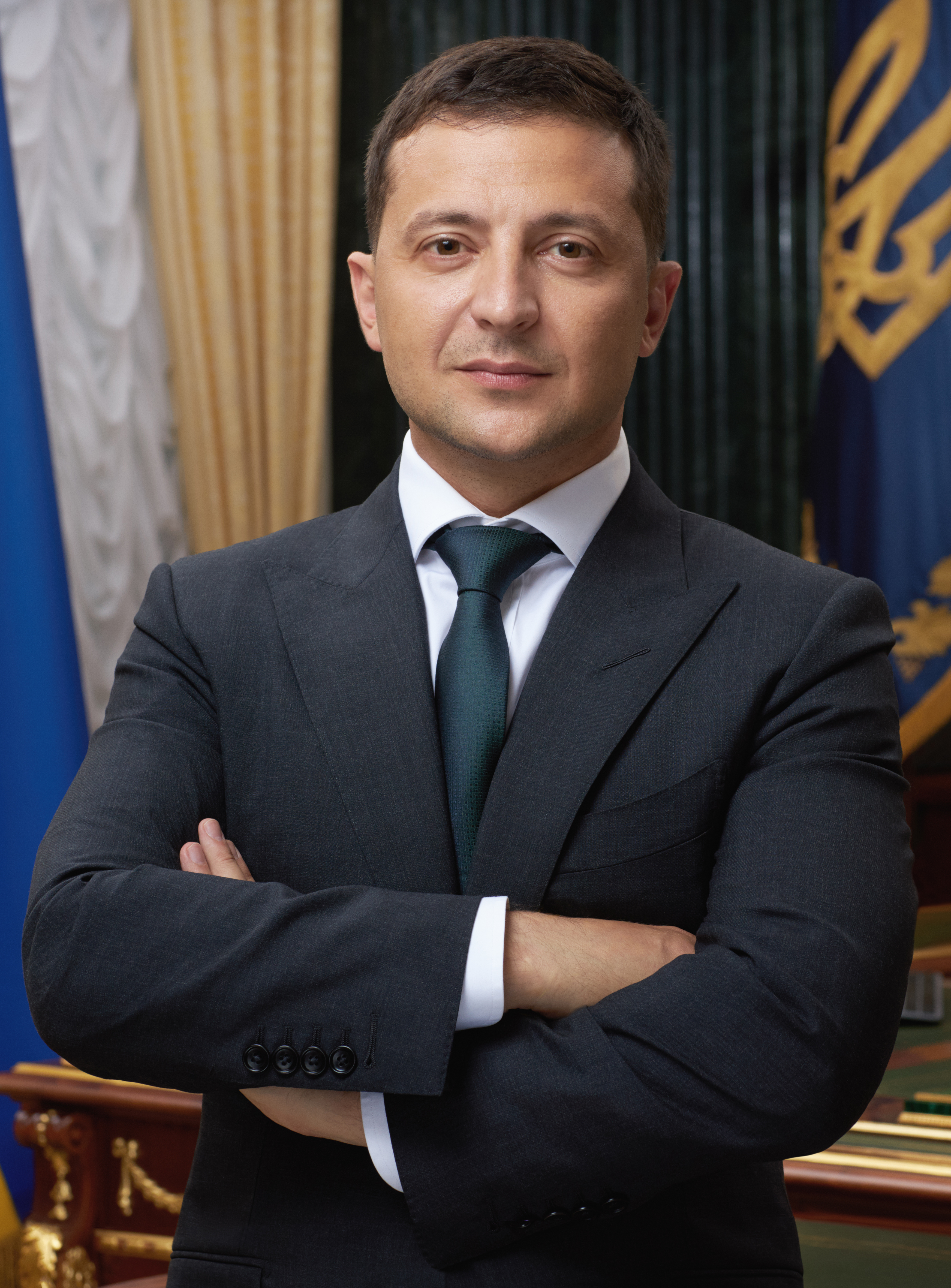
Ukrainian President Volodymyr Zelensky has publicly requested a face-to-face meeting with Russian President Vladimir Putin in Istanbul, Turkey [1, 2].
The proposal represents a significant push for direct negotiations to establish a cease-fire and a peace settlement in the ongoing Russia-Ukraine war [1]. This diplomatic move comes as the international community monitors the willingness of both combatants to engage in high-level dialogue to end the conflict [1, 3].
Zelensky said he was ready to meet with the Russian leader this coming Thursday [1]. The choice of Istanbul as a proposed venue follows Turkey's history of acting as a mediator between the two nations, a role the Turkish government has maintained throughout the hostilities [2].
U.S. President Donald Trump addressed the proposal by saying that he does not mind the meeting. Trump said, “let them deal,” suggesting a hands-off approach to the direct interactions between the two presidents [2].
While Trump expressed a lack of objection to the summit, he has also deployed envoys to Turkey [2]. Specifically, Witkoff and Kellogg are traveling to the region to engage with the Russia-Ukraine situation [2]. This indicates that while the U.S. may allow the leaders to negotiate directly, the administration is still maintaining a diplomatic presence on the ground to monitor the outcomes [2].
Russian President Vladimir Putin has previously said that Russia is ready for direct communication [3]. However, the specific conditions for such a meeting, including the terms of a cease-fire, remain a primary point of contention between the two administrations [1].
“Zelensky publicly demanded a face‑to‑face meeting with Putin in Turkey”
The shift toward a direct summit in Istanbul suggests a potential transition from mediated diplomacy to leader-to-leader negotiations. President Trump's 'let them deal' stance signals a departure from more structured U.S.-led mediation, placing the burden of agreement directly on Zelensky and Putin while maintaining a peripheral monitoring role via special envoys.


