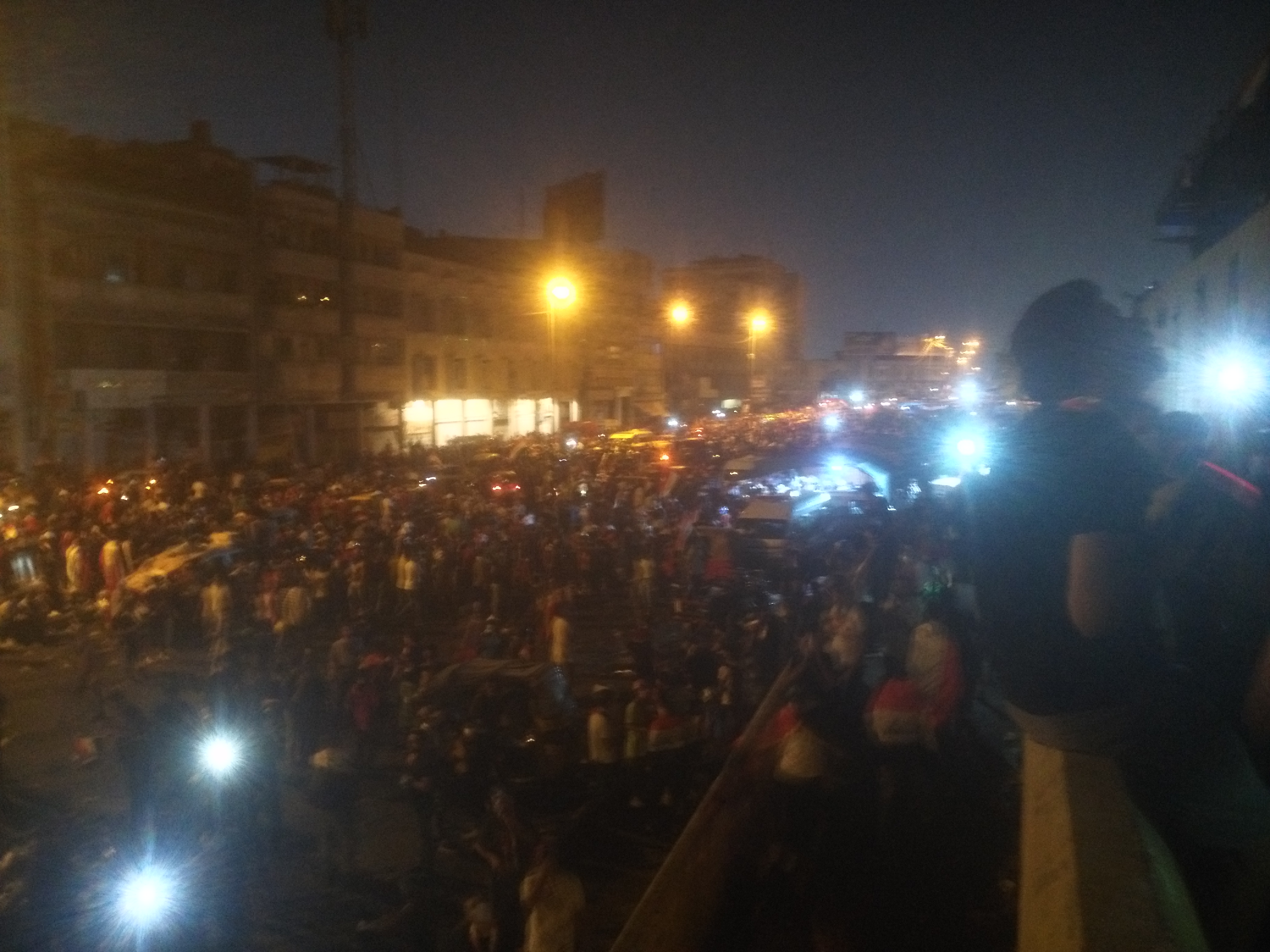
Protesters gathered in downtown Kyiv on Thursday after President Volodymyr Zelenskyy moved to dismiss Ukraine's defense minister [1, 2].
The sudden leadership change occurs as the Ukrainian parliament convened to appoint a new prime minister [1, 2]. This reshuffle comes at a critical juncture for the nation's governance and military oversight during the ongoing conflict.
The demonstrations formed in the heart of the capital as news of the dismissal spread [1]. The move is part of a broader government restructuring initiated by Zelenskyy to reorganize the executive branch [1, 2].
While the president's office has not detailed the specific reasons for the defense minister's removal, the timing coincides with the parliamentary session to name a new prime minister [2]. The reshuffle signals a shift in the administration's approach to managing the war effort and internal stability.
Crowds in downtown Kyiv expressed their opposition to the ousting through rallies [1, 2]. These protests highlight internal tensions within the country as the leadership seeks to consolidate power, and refresh the cabinet during a period of national crisis.
Security forces remained present in the city center as the parliamentary proceedings continued [1]. The appointment of a new prime minister is expected to further alter the trajectory of the government's administrative priorities [2].
“Protesters gathered in downtown Kyiv on Thursday after President Volodymyr Zelenskyy moved to dismiss Ukraine's defense minister.”
The simultaneous dismissal of the defense minister and the appointment of a new prime minister suggests a significant strategic pivot by President Zelenskyy. By refreshing the top tiers of military and civil leadership, the administration may be attempting to address systemic inefficiencies or political friction. However, the immediate public backlash in Kyiv indicates that these changes are viewed by some as destabilizing rather than corrective.


