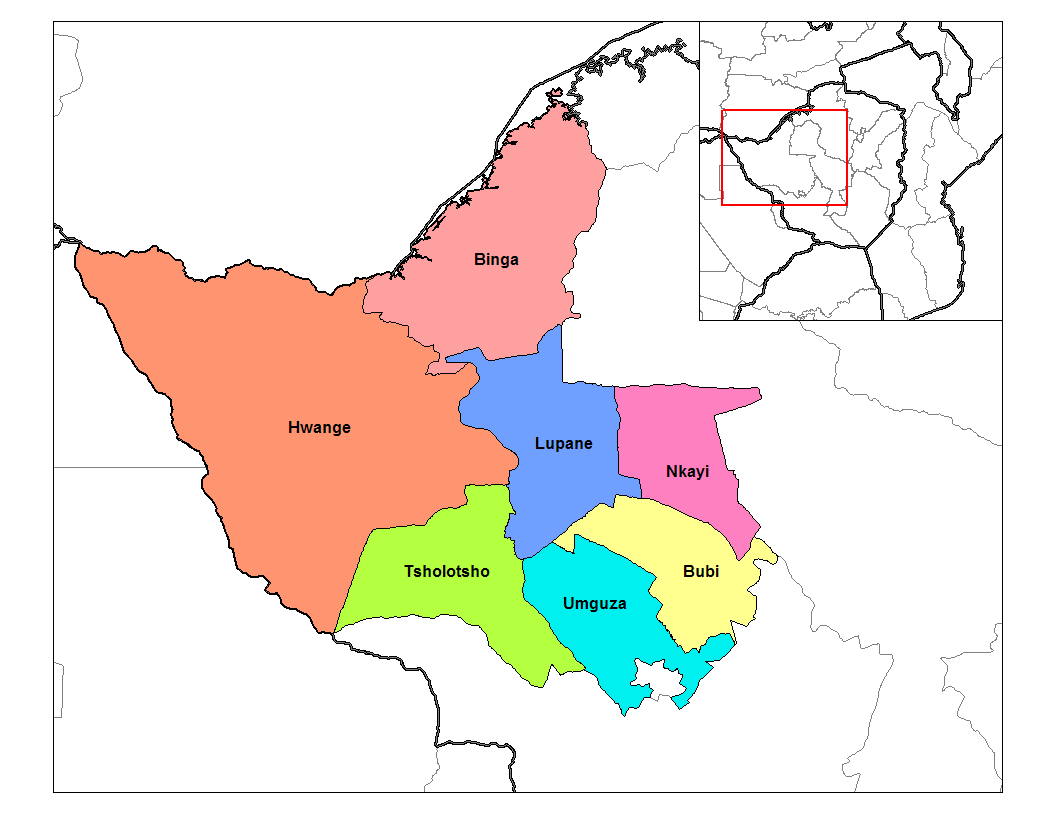
Women in Zimbabwe's Tsholotsho district are seeking continued assistance after seasonal floods forced them to abandon their homes [1].
This situation highlights the precarious nature of rural life in western Zimbabwe, where climate instability threatens food security and permanent housing for vulnerable populations [1, 2].
The affected residents live in the Matabeleland North province, a remote rural region characterized by a harsh landscape [1, 3]. The area is subject to a recurring cycle of severe droughts and seasonal floods that periodically inundate residential areas, forcing families to relocate [1, 3].
While many of the women have successfully rebuilt their lives and reconstructed their dwellings, they remain in need of critical support [1, 2]. The requirements for these households include improved shelter, and basic services to ensure long-term stability [1, 2].
Agricultural recovery remains a primary concern for the community. The women have identified a continued need for farming inputs to restore their livelihoods in a region where subsistence agriculture is the primary means of survival [1, 2].
Local efforts to recover from the 2026 seasonal floods have been driven largely by the resilience of the women themselves [1]. However, the recurring nature of these environmental shocks means that without systemic intervention, the cycle of displacement and reconstruction is likely to continue [1, 3].
“Seasonal floods forced the women to abandon their homes.”
The situation in Tsholotsho illustrates the 'climate trap' facing rural Zimbabwean communities, where short-term recovery efforts are frequently undone by cyclical weather extremes. The reliance on women to lead reconstruction efforts underscores their central role in community resilience, but the persistent lack of farming inputs suggests that structural vulnerability remains high despite individual efforts to rebuild.