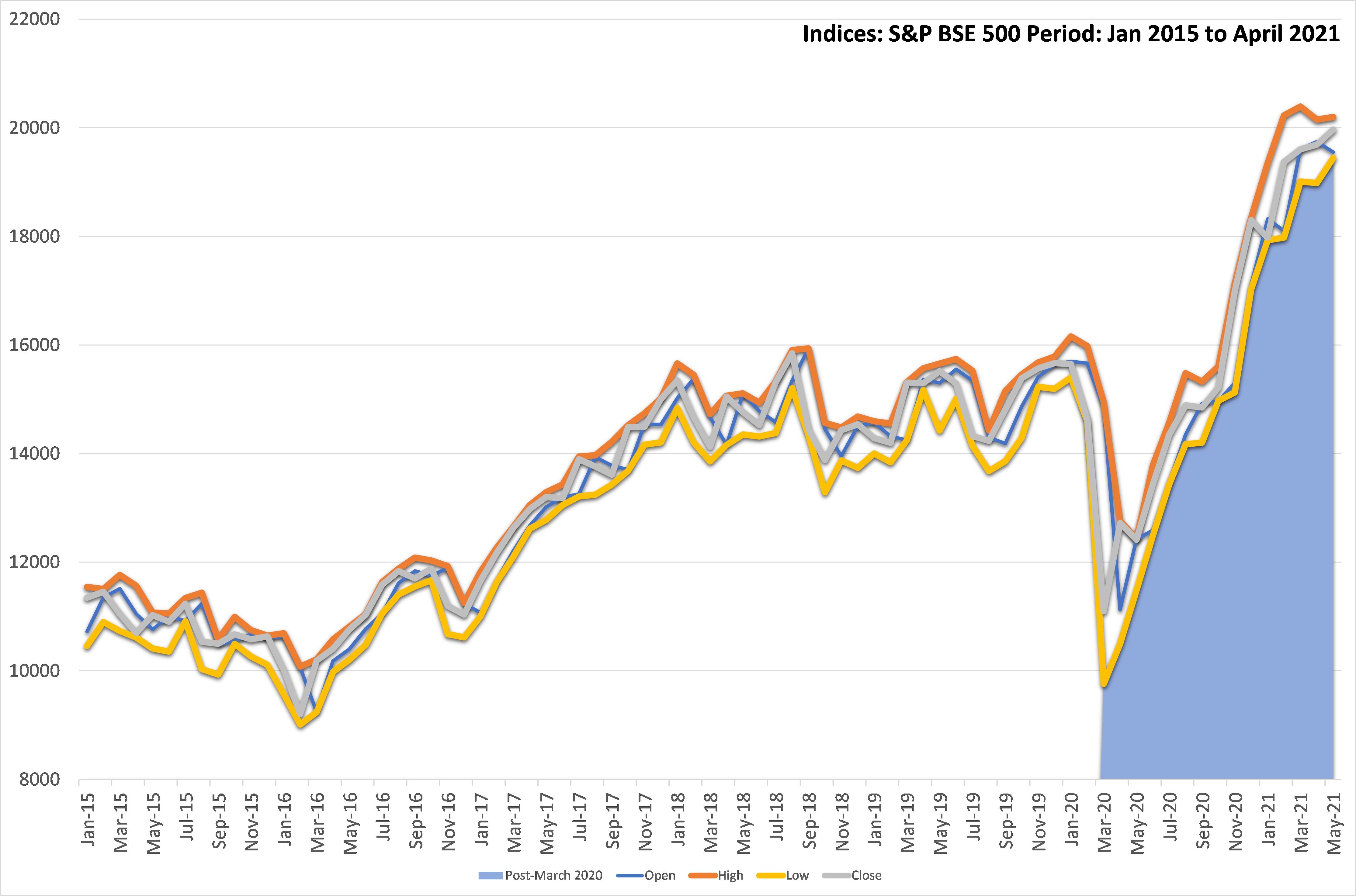
A sell-off in AI-related chip and memory stocks is dragging U.S. equity markets lower, with the Dow Jones falling more than 100 points [1].
This downturn reflects growing investor anxiety over whether the rapid rise of artificial intelligence stocks is sustainable. Because these companies now command significant portions of major indices, their volatility can destabilize the broader financial market.
Investors are increasingly concerned about lofty valuations in the AI chip sector and a cautious stance from the Federal Reserve. This combination has prompted a pull-back from equities tied to AI infrastructure, affecting major chip makers including Nvidia, AMD, and Broadcom [1, 2].
Despite the current volatility, some companies have reported massive growth. Nvidia's revenue grew 85% year-over-year in its most recent quarter [3]. Similarly, Broadcom's AI chip revenue grew 143% year-over-year [3].
Global markets are feeling the impact beyond Wall Street. South Korea's Kospi index slumped about 10% from a record high [4]. The volatility has created conflicting trends, with some reports indicating a bounce back on certain days while others highlight renewed doubts about sky-high valuations [2, 5].
William Lee, an analyst at Global Economic Advisors, noted the current state of monetary policy. "For now, the Fed is on hold unless something drastic happens," Lee said [1].
Market participants are now weighing the fundamental growth of AI technology against the risk of a valuation bubble. The tension remains between the strong revenue figures reported by chip makers, and the cautious sentiment regarding future interest rate movements.
“The Dow Jones falling more than 100 points”
The current market correction suggests a transition from speculative excitement to a period of fundamental valuation. While revenue growth for AI hardware remains high, the market is now reacting to the risk that these gains were already priced in, making stocks hypersensitive to Federal Reserve policy and global economic shifts.
'%2F%3E%0A%20%20%20%20%3Crect%20width%3D'1600'%20height%3D'900'%20fill%3D'url(%23v)'%2F%3E%0A%20%20%20%20%3Cg%20opacity%3D'0.08'%20fill%3D'%23ffffff'%3E%0A%20%20%20%20%20%20%3Ccircle%20cx%3D'1420'%20cy%3D'180'%20r%3D'220'%2F%3E%0A%20%20%20%20%20%20%3Ccircle%20cx%3D'1500'%20cy%3D'760'%20r%3D'120'%2F%3E%0A%20%20%20%20%3C%2Fg%3E%0A%20%20%20%20%3Cline%20x1%3D'80'%20y1%3D'172'%20x2%3D'220'%20y2%3D'172'%20stroke%3D'%23ffffff'%20stroke-width%3D'3'%20stroke-opacity%3D'0.6'%2F%3E%0A%20%20%20%20%3Ctext%20x%3D'80'%20y%3D'140'%20font-family%3D'Inter%2C%20-apple-system%2C%20Helvetica%2C%20sans-serif'%20font-weight%3D'700'%20font-size%3D'28'%20fill%3D'%23ffffff'%20letter-spacing%3D'6'%3EHANNA%20%C2%B7%20NEWS%3C%2Ftext%3E%0A%20%20%20%20%3Ctext%20x%3D'80'%20y%3D'230'%20font-family%3D'Inter%2C%20-apple-system%2C%20Helvetica%2C%20sans-serif'%20font-weight%3D'600'%20font-size%3D'40'%20fill%3D'%23ffffffb3'%20letter-spacing%3D'4'%3EBUSINESS%3C%2Ftext%3E%0A%20%20%20%20%3Ctext%20x%3D'80'%20y%3D'622'%20font-family%3D'Playfair%20Display%2C%20Georgia%2C%20serif'%20font-weight%3D'800'%20font-size%3D'86'%20fill%3D'%23ffffff'%20letter-spacing%3D'-1'%3EFlash%20Floods%20Hit%20Texas%20Hill%3C%2Ftext%3E%3Ctext%20x%3D'80'%20y%3D'721'%20font-family%3D'Playfair%20Display%2C%20Georgia%2C%20serif'%20font-weight%3D'800'%20font-size%3D'86'%20fill%3D'%23ffffff'%20letter-spacing%3D'-1'%3ECountry%2C%20Prompting%20Mass%3C%2Ftext%3E%3Ctext%20x%3D'80'%20y%3D'820'%20font-family%3D'Playfair%20Display%2C%20Georgia%2C%20serif'%20font-weight%3D'800'%20font-size%3D'86'%20fill%3D'%23ffffff'%20letter-spacing%3D'-1'%3ERescues%3C%2Ftext%3E%0A%20%20%20%20%3Ctext%20x%3D'80'%20y%3D'870'%20font-family%3D'Inter%2C%20-apple-system%2C%20Helvetica%2C%20sans-serif'%20font-weight%3D'500'%20font-size%3D'22'%20fill%3D'%23ffffff66'%20letter-spacing%3D'2'%3Enews.hanna-ai.com%3C%2Ftext%3E%0A%20%20%3C%2Fsvg%3E)