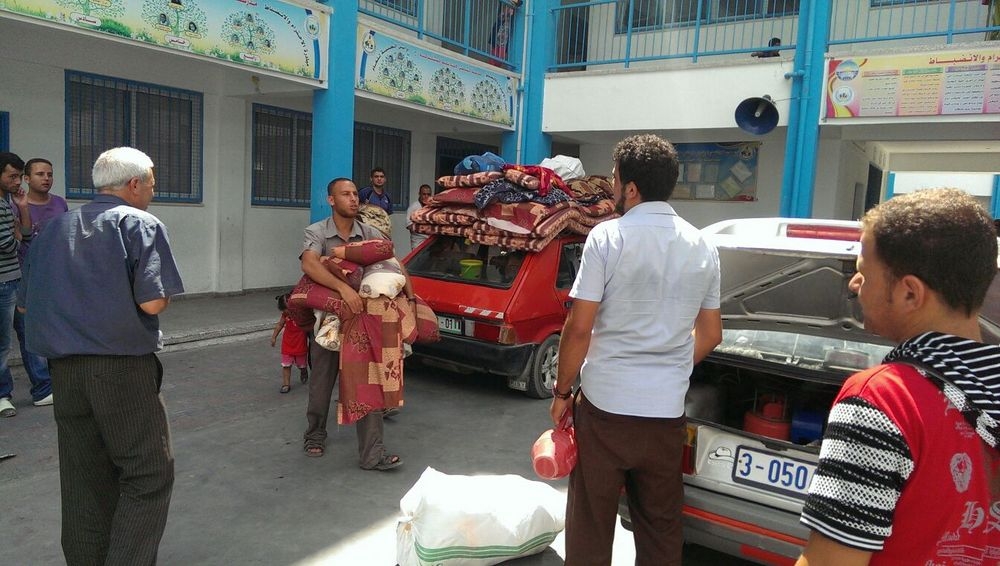
A new documentary titled "UNRWA, 75 ans d'une histoire provisoire" examines the 75-year history of the United Nations Relief and Works Agency for Palestine Refugees [1].
The film highlights the agency's paradoxical position as a critical provider of aid for millions of refugees while remaining a center of intense political debate. Because the agency's future is currently uncertain, the production seeks to analyze how a "provisional" institution became a permanent fixture of regional stability.
Produced by the France-Germany network ARTE, the documentary tracks the agency from its founding 75 years ago [1]. It utilizes testimonies from Palestinian refugees and footage from field camps to illustrate the scale of the humanitarian mission. The narrative focuses on the agency's evolution from a temporary relief effort into a comprehensive system of education, health, and social services.
Despite its role in providing essential services, the film notes that UNRWA remains a focal point of international political contention. The documentary explores the tensions between the immediate needs of refugee populations and the long-term political goals of various state actors, a conflict that continues to threaten the agency's funding and operational viability.
The documentary is currently streaming on YouTube and will remain available online until May 31, 2027 [2].
“A documentary titled "UNRWA, 75 ans d'une histoire provisoire" examines the agency’s 75-year history.”
The release of this documentary underscores the enduring tension between humanitarian necessity and political diplomacy. By framing UNRWA's history as a 'provisional story,' the film highlights how the lack of a permanent political resolution for Palestinian refugees has forced a temporary aid agency to become a primary governing entity for health and education in the region.

'%2F%3E%0A%20%20%20%20%3Crect%20width%3D'1600'%20height%3D'900'%20fill%3D'url(%23v)'%2F%3E%0A%20%20%20%20%3Cg%20opacity%3D'0.08'%20fill%3D'%23ffffff'%3E%0A%20%20%20%20%20%20%3Ccircle%20cx%3D'1420'%20cy%3D'180'%20r%3D'220'%2F%3E%0A%20%20%20%20%20%20%3Ccircle%20cx%3D'1500'%20cy%3D'760'%20r%3D'120'%2F%3E%0A%20%20%20%20%3C%2Fg%3E%0A%20%20%20%20%3Cline%20x1%3D'80'%20y1%3D'172'%20x2%3D'220'%20y2%3D'172'%20stroke%3D'%23ffffff'%20stroke-width%3D'3'%20stroke-opacity%3D'0.6'%2F%3E%0A%20%20%20%20%3Ctext%20x%3D'80'%20y%3D'140'%20font-family%3D'Inter%2C%20-apple-system%2C%20Helvetica%2C%20sans-serif'%20font-weight%3D'700'%20font-size%3D'28'%20fill%3D'%23ffffff'%20letter-spacing%3D'6'%3EHANNA%20%C2%B7%20NEWS%3C%2Ftext%3E%0A%20%20%20%20%3Ctext%20x%3D'80'%20y%3D'230'%20font-family%3D'Inter%2C%20-apple-system%2C%20Helvetica%2C%20sans-serif'%20font-weight%3D'600'%20font-size%3D'40'%20fill%3D'%23ffffffb3'%20letter-spacing%3D'4'%3ECULTURE%3C%2Ftext%3E%0A%20%20%20%20%3Ctext%20x%3D'80'%20y%3D'694'%20font-family%3D'Playfair%20Display%2C%20Georgia%2C%20serif'%20font-weight%3D'800'%20font-size%3D'110'%20fill%3D'%23ffffff'%20letter-spacing%3D'-1'%3ESense%20of%20Smell%20Influences%3C%2Ftext%3E%3Ctext%20x%3D'80'%20y%3D'820'%20font-family%3D'Playfair%20Display%2C%20Georgia%2C%20serif'%20font-weight%3D'800'%20font-size%3D'110'%20fill%3D'%23ffffff'%20letter-spacing%3D'-1'%3ERomantic%20Attraction%3C%2Ftext%3E%0A%20%20%20%20%3Ctext%20x%3D'80'%20y%3D'870'%20font-family%3D'Inter%2C%20-apple-system%2C%20Helvetica%2C%20sans-serif'%20font-weight%3D'500'%20font-size%3D'22'%20fill%3D'%23ffffff66'%20letter-spacing%3D'2'%3Enews.hanna-ai.com%3C%2Ftext%3E%0A%20%20%3C%2Fsvg%3E)
