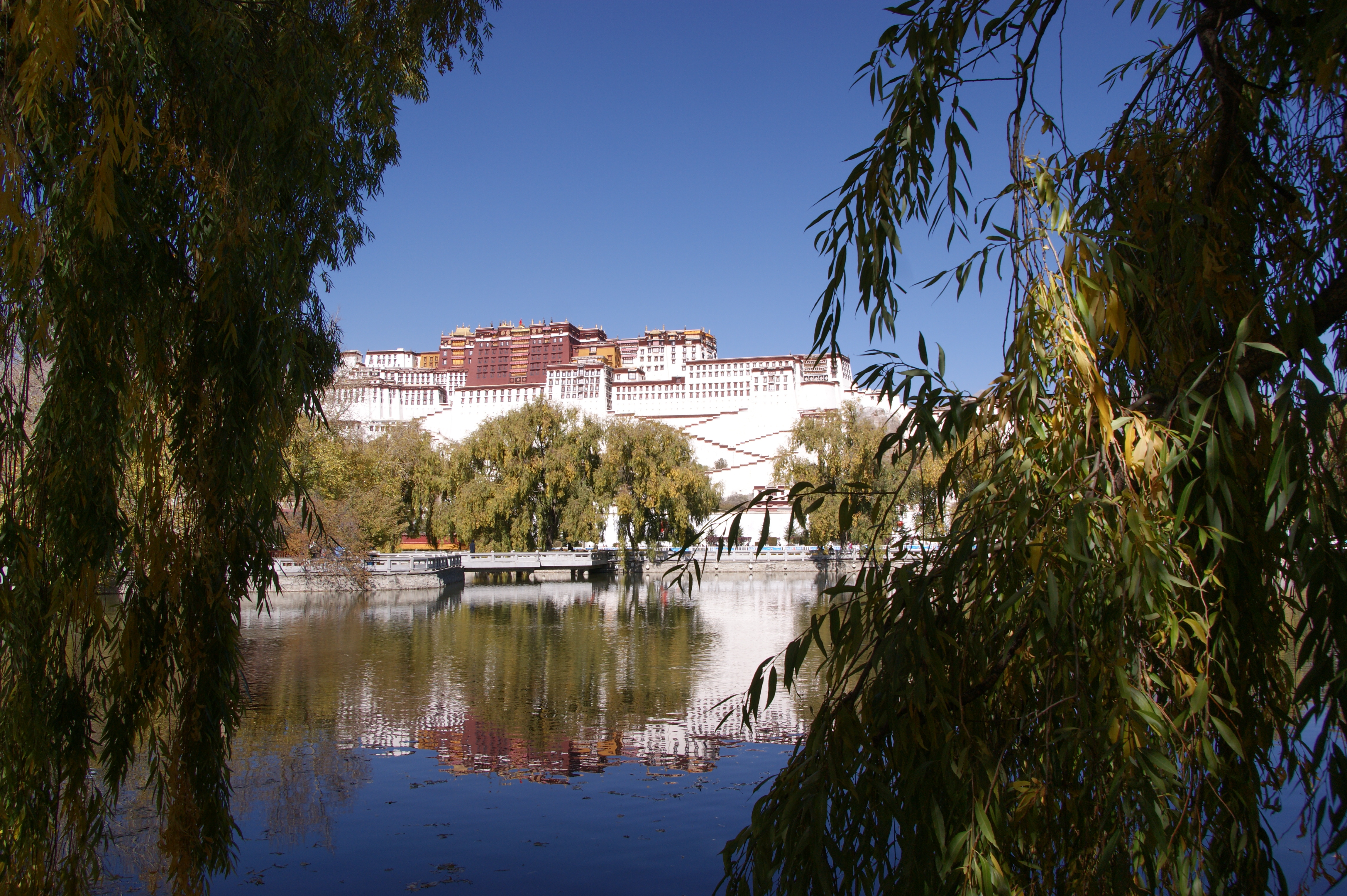
A new documentary from Arte examines the history of Tibet under Chinese domination and the ongoing struggle regarding the Dalai Lama's succession [1].
The film highlights a critical geopolitical flashpoint where spiritual authority and state power collide. Because the Dalai Lama is the central figure for Tibetan identity, the process of choosing his successor remains a primary source of tension between the Tibetan people and the government in Beijing [1], [2].
The production traces the roots of the current conflict back to 1950, the year of the Chinese invasion of Tibet [1]. By documenting the transition from autonomy to occupation, the film illustrates the systemic pressures placed on Tibetan culture and religion over several decades.
Central to the current debate is the legitimacy of the next spiritual leader. While the Dalai Lama has confirmed that he will have a successor, the Chinese government said it intends to approve the appointment [2]. This creates a direct contradiction between traditional Tibetan Buddhist practices, and the administrative requirements of the Chinese state.
This struggle for control over the reincarnation process is not merely religious but is a strategic effort to manage the region's political stability. The documentary explores how the "last breath" of Tibetan autonomy is being contested in a modern era of heightened surveillance and state control [1], [3].
The documentary remains available for viewing through Nov. 16, 2026 [1]. It serves as a record of the contested region's history, and the precarious future of its leadership.
“The documentary explores how the 'last breath' of Tibetan autonomy is being contested.”
The dispute over the Dalai Lama's successor represents a broader struggle for sovereignty and cultural survival. If Beijing successfully installs a state-approved leader, it could effectively neutralize the Tibetan independence movement and solidify permanent control over the region's spiritual and political life.

'%2F%3E%0A%20%20%20%20%3Crect%20width%3D'1600'%20height%3D'900'%20fill%3D'url(%23v)'%2F%3E%0A%20%20%20%20%3Cg%20opacity%3D'0.08'%20fill%3D'%23ffffff'%3E%0A%20%20%20%20%20%20%3Ccircle%20cx%3D'1420'%20cy%3D'180'%20r%3D'220'%2F%3E%0A%20%20%20%20%20%20%3Ccircle%20cx%3D'1500'%20cy%3D'760'%20r%3D'120'%2F%3E%0A%20%20%20%20%3C%2Fg%3E%0A%20%20%20%20%3Cline%20x1%3D'80'%20y1%3D'172'%20x2%3D'220'%20y2%3D'172'%20stroke%3D'%23ffffff'%20stroke-width%3D'3'%20stroke-opacity%3D'0.6'%2F%3E%0A%20%20%20%20%3Ctext%20x%3D'80'%20y%3D'140'%20font-family%3D'Inter%2C%20-apple-system%2C%20Helvetica%2C%20sans-serif'%20font-weight%3D'700'%20font-size%3D'28'%20fill%3D'%23ffffff'%20letter-spacing%3D'6'%3EHANNA%20%C2%B7%20NEWS%3C%2Ftext%3E%0A%20%20%20%20%3Ctext%20x%3D'80'%20y%3D'230'%20font-family%3D'Inter%2C%20-apple-system%2C%20Helvetica%2C%20sans-serif'%20font-weight%3D'600'%20font-size%3D'40'%20fill%3D'%23ffffffb3'%20letter-spacing%3D'4'%3ECULTURE%3C%2Ftext%3E%0A%20%20%20%20%3Ctext%20x%3D'80'%20y%3D'694'%20font-family%3D'Playfair%20Display%2C%20Georgia%2C%20serif'%20font-weight%3D'800'%20font-size%3D'110'%20fill%3D'%23ffffff'%20letter-spacing%3D'-1'%3ESense%20of%20Smell%20Influences%3C%2Ftext%3E%3Ctext%20x%3D'80'%20y%3D'820'%20font-family%3D'Playfair%20Display%2C%20Georgia%2C%20serif'%20font-weight%3D'800'%20font-size%3D'110'%20fill%3D'%23ffffff'%20letter-spacing%3D'-1'%3ERomantic%20Attraction%3C%2Ftext%3E%0A%20%20%20%20%3Ctext%20x%3D'80'%20y%3D'870'%20font-family%3D'Inter%2C%20-apple-system%2C%20Helvetica%2C%20sans-serif'%20font-weight%3D'500'%20font-size%3D'22'%20fill%3D'%23ffffff66'%20letter-spacing%3D'2'%3Enews.hanna-ai.com%3C%2Ftext%3E%0A%20%20%3C%2Fsvg%3E)
