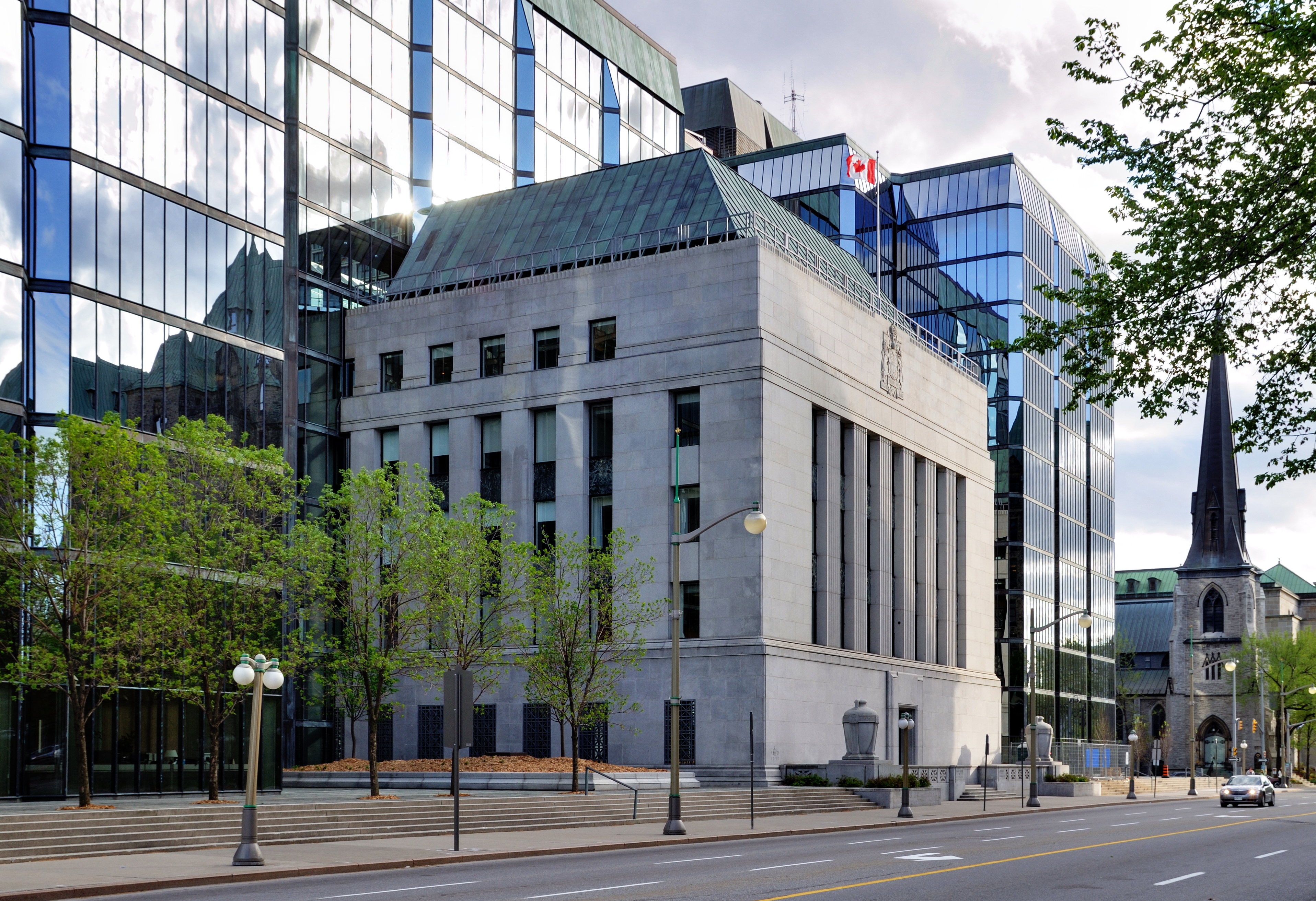
The Bank of Canada held its benchmark policy interest rate unchanged at 2.25% [1] on Wednesday, June 10, 2026.
This decision comes as the central bank attempts to balance a fragile economic recovery against rising costs. The hold signals a cautious approach to monetary policy while the bank monitors volatile global conditions that could either stifle growth or trigger new inflation.
Officials in Ottawa said that the benchmark rate remained steady for the sixth consecutive time [2]. While some reports indicated this was the fifth straight meeting [3], the bank maintained the 2.25% level [1] to support an expected economic rebound.
"We are increasingly confident that the economy is on the rebound," a Bank of Canada official said [4]. However, this recovery is being challenged by external shocks. The bank specifically cited inflation pressures stemming from higher oil prices, which have been linked to the war in Iran.
These energy costs have had a direct impact on consumers. Bank of Canada officials said, "Inflation has jumped above three per cent in recent months as higher oil prices due to the war in Iran have sent gasoline prices skyrocketing" [5].
Beyond energy, the bank is tracking uncertainty surrounding U.S. trade policy [6]. The intersection of geopolitical conflict and trade volatility has created a policy dilemma for the institution, forcing it to weigh the risk of keeping rates too high for the recovering economy against the risk of allowing inflation to spiral.
By keeping the rate at 2.25% [1], the bank is opting for a neutral stance. This allows the institution to gather more data on whether the current inflation spike is a temporary result of the conflict in Iran or a long-term trend that requires more aggressive tightening.
“The Bank of Canada held its benchmark interest rate steady at 2.25 per cent on Wednesday.”
The Bank of Canada is facing a classic central banking conflict: supporting domestic growth while fighting imported inflation. Because the current price spikes are driven by external geopolitical events—specifically the war in Iran and U.S. trade uncertainty—raising rates may not lower gasoline prices but could hinder the economic rebound. By holding steady, the bank is betting that the economy can withstand temporary inflation without requiring a policy shift that might trigger a recession.