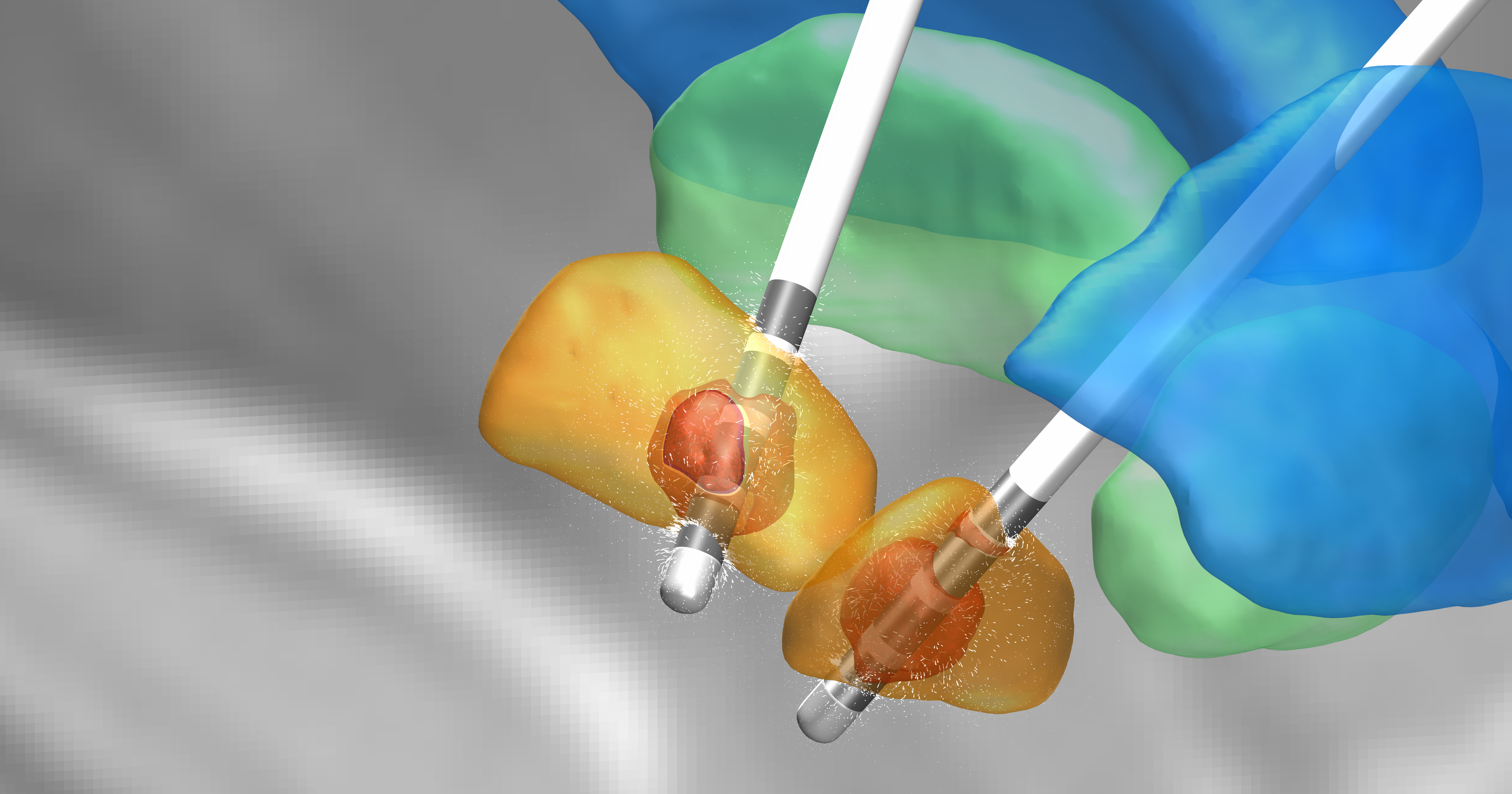
Prof. Alim-Louis Benabid said the discovery and evolution of deep brain stimulation in a recent appearance on the STEIN Fireside Podcast.
The technique has fundamentally altered the landscape of neurosurgery by providing a viable treatment for Parkinson’s disease and various other neurological disorders. By targeting specific brain regions with electrical impulses, the procedure offers relief to patients who often do not respond to traditional medication.
Benabid said the innovation emerged from the intersection of clinical need and scientific curiosity. He detailed the process of identifying how electrical stimulation could modulate brain activity to reduce tremors and rigidity. This discovery shifted the approach to brain surgery from purely ablative procedures—which involve destroying brain tissue—to a reversible, adjustable method of neuromodulation.
While the technology is most widely recognized for its application in movement disorders, researchers continue to explore its efficacy for psychiatric conditions. In an open-label trial focusing on treatment-resistant severe depression, clinical improvements were observed in 50% of the participants [1]. This suggests that the application of deep brain stimulation may extend beyond motor control into the realm of mood regulation.
During the interview, Benabid said the evolution of the field depends on the continuous refinement of electrode placement and the understanding of neural circuits. He said that the transition from experimental trials to standard clinical practice required rigorous validation of patient outcomes.
The discussion highlighted the broader impact of the technology on patient quality of life. By reducing the severity of neurological symptoms, the procedure allows many patients to regain independence in their daily activities. Benabid said that the goal remains the precise modulation of the brain to restore function without causing adverse side effects.
“The technique has fundamentally altered the landscape of neurosurgery.”
The shift toward neuromodulation represents a broader trend in medicine moving away from permanent tissue destruction toward adjustable, electronic interventions. As deep brain stimulation expands from Parkinson's disease into treatment-resistant depression, it validates the theory that many psychiatric disorders have a physiological, circuit-based component that can be corrected through electrical stimulation.

'%2F%3E%0A%20%20%20%20%3Crect%20width%3D'1600'%20height%3D'900'%20fill%3D'url(%23v)'%2F%3E%0A%20%20%20%20%3Cg%20opacity%3D'0.08'%20fill%3D'%23ffffff'%3E%0A%20%20%20%20%20%20%3Ccircle%20cx%3D'1420'%20cy%3D'180'%20r%3D'220'%2F%3E%0A%20%20%20%20%20%20%3Ccircle%20cx%3D'1500'%20cy%3D'760'%20r%3D'120'%2F%3E%0A%20%20%20%20%3C%2Fg%3E%0A%20%20%20%20%3Cline%20x1%3D'80'%20y1%3D'172'%20x2%3D'220'%20y2%3D'172'%20stroke%3D'%23ffffff'%20stroke-width%3D'3'%20stroke-opacity%3D'0.6'%2F%3E%0A%20%20%20%20%3Ctext%20x%3D'80'%20y%3D'140'%20font-family%3D'Inter%2C%20-apple-system%2C%20Helvetica%2C%20sans-serif'%20font-weight%3D'700'%20font-size%3D'28'%20fill%3D'%23ffffff'%20letter-spacing%3D'6'%3EHANNA%20%C2%B7%20NEWS%3C%2Ftext%3E%0A%20%20%20%20%3Ctext%20x%3D'80'%20y%3D'230'%20font-family%3D'Inter%2C%20-apple-system%2C%20Helvetica%2C%20sans-serif'%20font-weight%3D'600'%20font-size%3D'40'%20fill%3D'%23ffffffb3'%20letter-spacing%3D'4'%3ESCIENCE%3C%2Ftext%3E%0A%20%20%20%20%3Ctext%20x%3D'80'%20y%3D'622'%20font-family%3D'Playfair%20Display%2C%20Georgia%2C%20serif'%20font-weight%3D'800'%20font-size%3D'86'%20fill%3D'%23ffffff'%20letter-spacing%3D'-1'%3EProf.%20Alim-Louis%20Benabid%3C%2Ftext%3E%3Ctext%20x%3D'80'%20y%3D'721'%20font-family%3D'Playfair%20Display%2C%20Georgia%2C%20serif'%20font-weight%3D'800'%20font-size%3D'86'%20fill%3D'%23ffffff'%20letter-spacing%3D'-1'%3ERecounts%20Discovery%20of%20Deep%3C%2Ftext%3E%3Ctext%20x%3D'80'%20y%3D'820'%20font-family%3D'Playfair%20Display%2C%20Georgia%2C%20serif'%20font-weight%3D'800'%20font-size%3D'86'%20fill%3D'%23ffffff'%20letter-spacing%3D'-1'%3EBrain%20Stimulation%3C%2Ftext%3E%0A%20%20%20%20%3Ctext%20x%3D'80'%20y%3D'870'%20font-family%3D'Inter%2C%20-apple-system%2C%20Helvetica%2C%20sans-serif'%20font-weight%3D'500'%20font-size%3D'22'%20fill%3D'%23ffffff66'%20letter-spacing%3D'2'%3Enews.hanna-ai.com%3C%2Ftext%3E%0A%20%20%3C%2Fsvg%3E)
