
Prof. Alim-Louis Benabid said deep-brain stimulation has replaced older, destructive surgical procedures used to treat movement disorders [1].
This transition represents a fundamental shift in neurosurgery, moving from permanent tissue destruction to a reversible method that reduces patient risk.
Earlier surgical approaches for movement disorders relied on creating permanent lesions in brain tissue [1]. Benabid said these procedures were risky because the damage caused to the brain was irreversible. Once a lesion was created, surgeons could not undo the procedure if the patient experienced adverse effects, or if the treatment failed to provide the desired relief [1].
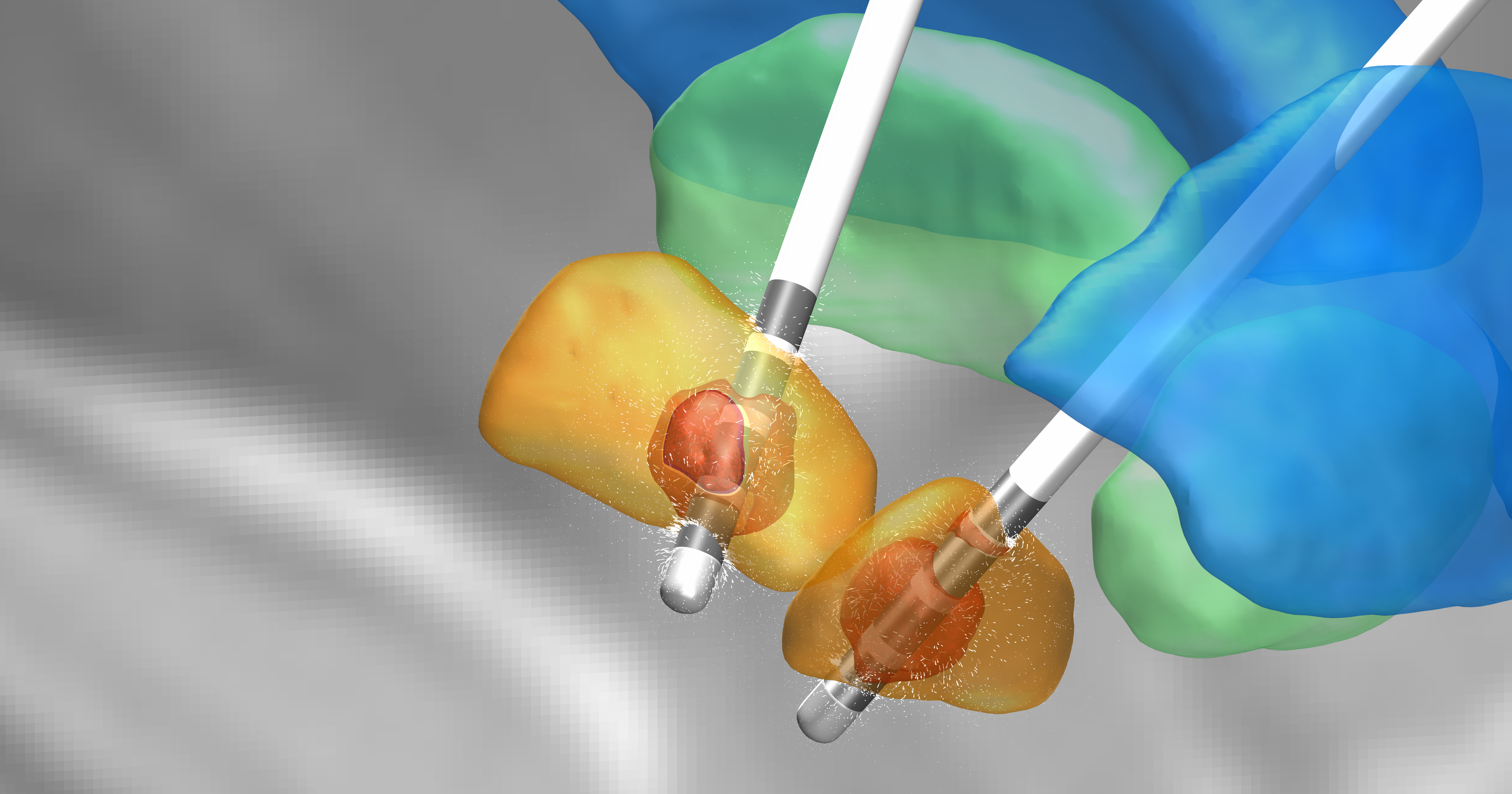
Deep-brain stimulation, or DBS, offers a different mechanism for managing these conditions. Instead of destroying tissue, DBS uses electrodes to deliver electrical impulses to specific areas of the brain [1]. This approach allows the medical team to modulate brain activity without permanently altering the physical structure of the organ, a critical safety advantage over previous methods [1].
One of the primary advantages of DBS is its adjustability. While lesioning was a one-time, permanent event, DBS settings can be tuned over time to optimize the therapeutic effect for the patient [1]. If the stimulation is not producing the intended results, clinicians can modify the electrical parameters, or remove the device entirely [1].
Benabid said the ability to reverse the process makes DBS a safer alternative for patients. The shift toward non-destructive surgery allows for more precise control over movement disorders while minimizing the potential for permanent neurological impairment [1].
“DBS offers adjustable, reversible stimulation”
The move from ablative surgery to neuromodulation signifies a broader trend in medicine toward reversible interventions. By replacing permanent lesions with adjustable electrical stimulation, surgeons can mitigate the risks of permanent brain damage and tailor treatments to the specific evolving needs of the patient.

'%2F%3E%0A%20%20%20%20%3Crect%20width%3D'1600'%20height%3D'900'%20fill%3D'url(%23v)'%2F%3E%0A%20%20%20%20%3Cg%20opacity%3D'0.08'%20fill%3D'%23ffffff'%3E%0A%20%20%20%20%20%20%3Ccircle%20cx%3D'1420'%20cy%3D'180'%20r%3D'220'%2F%3E%0A%20%20%20%20%20%20%3Ccircle%20cx%3D'1500'%20cy%3D'760'%20r%3D'120'%2F%3E%0A%20%20%20%20%3C%2Fg%3E%0A%20%20%20%20%3Cline%20x1%3D'80'%20y1%3D'172'%20x2%3D'220'%20y2%3D'172'%20stroke%3D'%23ffffff'%20stroke-width%3D'3'%20stroke-opacity%3D'0.6'%2F%3E%0A%20%20%20%20%3Ctext%20x%3D'80'%20y%3D'140'%20font-family%3D'Inter%2C%20-apple-system%2C%20Helvetica%2C%20sans-serif'%20font-weight%3D'700'%20font-size%3D'28'%20fill%3D'%23ffffff'%20letter-spacing%3D'6'%3EHANNA%20%C2%B7%20NEWS%3C%2Ftext%3E%0A%20%20%20%20%3Ctext%20x%3D'80'%20y%3D'230'%20font-family%3D'Inter%2C%20-apple-system%2C%20Helvetica%2C%20sans-serif'%20font-weight%3D'600'%20font-size%3D'40'%20fill%3D'%23ffffffb3'%20letter-spacing%3D'4'%3ESCIENCE%3C%2Ftext%3E%0A%20%20%20%20%3Ctext%20x%3D'80'%20y%3D'622'%20font-family%3D'Playfair%20Display%2C%20Georgia%2C%20serif'%20font-weight%3D'800'%20font-size%3D'86'%20fill%3D'%23ffffff'%20letter-spacing%3D'-1'%3EProf.%20Alim-Louis%20Benabid%3C%2Ftext%3E%3Ctext%20x%3D'80'%20y%3D'721'%20font-family%3D'Playfair%20Display%2C%20Georgia%2C%20serif'%20font-weight%3D'800'%20font-size%3D'86'%20fill%3D'%23ffffff'%20letter-spacing%3D'-1'%3ERecounts%20Discovery%20of%20Deep%3C%2Ftext%3E%3Ctext%20x%3D'80'%20y%3D'820'%20font-family%3D'Playfair%20Display%2C%20Georgia%2C%20serif'%20font-weight%3D'800'%20font-size%3D'86'%20fill%3D'%23ffffff'%20letter-spacing%3D'-1'%3EBrain%20Stimulation%3C%2Ftext%3E%0A%20%20%20%20%3Ctext%20x%3D'80'%20y%3D'870'%20font-family%3D'Inter%2C%20-apple-system%2C%20Helvetica%2C%20sans-serif'%20font-weight%3D'500'%20font-size%3D'22'%20fill%3D'%23ffffff66'%20letter-spacing%3D'2'%3Enews.hanna-ai.com%3C%2Ftext%3E%0A%20%20%3C%2Fsvg%3E)