
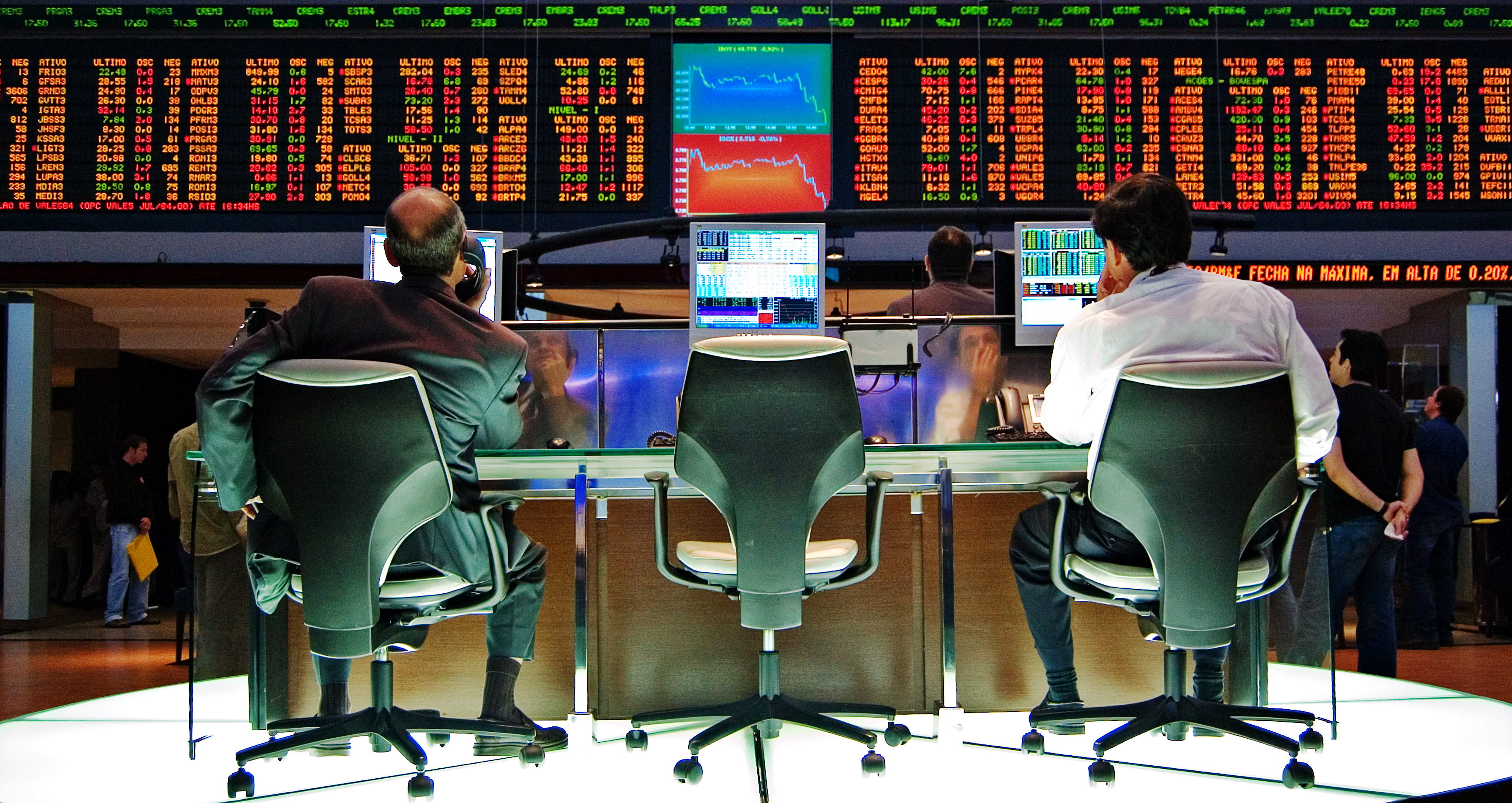
Pablo Spyer said a weak external market and the conclusion of the 6x1 trading scale were key issues during a Thursday broadcast [1].
These economic shifts signal potential volatility for Brazilian investors as they navigate a flood of new financial data and changing labor structures. The intersection of global market weakness and domestic regulatory changes creates a complex environment for asset management.
Spyer, the host of the investment program "Minuto Touro de Ouro," led the discussion on the Jovem Pan News YouTube channel [1]. The program focuses on providing rapid financial insights for the Brazilian market, addressing how external pressures impact local commodities and indices.
A central point of the broadcast was the "rain of data" currently hitting the markets [1]. This influx of economic indicators often leads to short-term instability as investors adjust their portfolios to reflect new realities regarding inflation and growth.
Beyond market data, the program addressed the end of the 6x1 trading scale [1]. This transition represents a significant shift in how labor and productivity are measured within the Brazilian economic framework, a move that could influence operational costs for businesses.
Spyer brings a decorated background to these analyses. His work has earned several accolades, including the iBest award for Best Investment Program in Brazil in 2022 [1]. He was also named the "Maior influenciador de Investimentos" in 2023 [1]. Additionally, he received the award for Best Radio Program in Brazil in 2021 [1].
The broadcast serves as a guide for those monitoring the Bovespa and other Brazilian financial benchmarks amidst global uncertainty [1].
“A weak external market and the conclusion of the 6x1 trading scale.”
The focus on a 'weak external environment' combined with the end of the 6x1 trading scale suggests that Brazil is facing a dual challenge: external macroeconomic headwinds and internal structural labor shifts. For investors, this means traditional benchmarks may be less reliable, requiring a deeper reliance on real-time data to mitigate risk in a volatile trading climate.


